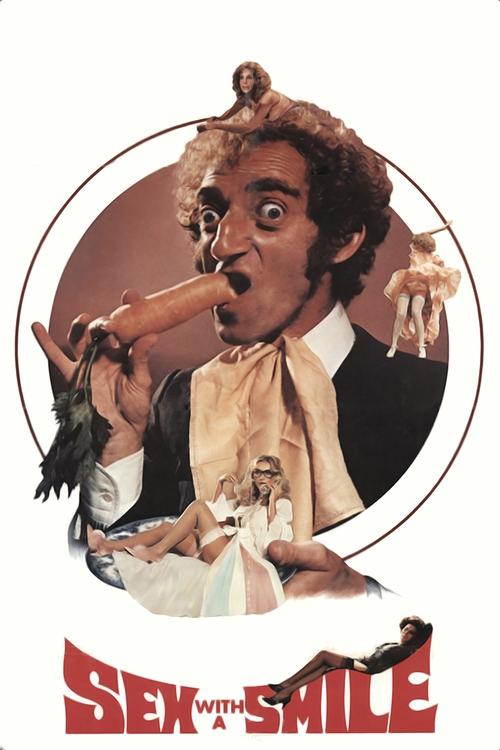
Sex with a Smile
1976
No user ratings available yet
Representation score: 1.6 out of 10
Representation Score
Fair
1969
Director
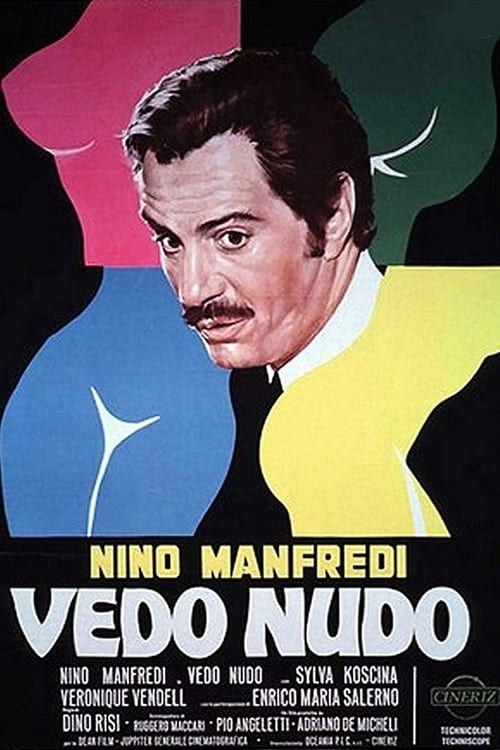
Dino Risi
Runtime
114 minutes
Average Rating
No ratings yetNew Showbiz Analysis
Dino Risi’s comedy employs satire to highlight the neuroses of post-war Italian society. While it dismantles the stability of middle-class life, it adheres to the demographic norms of the late 1960s. The episodic structure emphasizes individual quirks, focusing on social satire rather than the multi-layered complexity seen in contemporary works. Overall, the film examines social perceptions and etiquette, but it fails to provide substantial representation for underrepresented groups.
Category Breakdown
The film does not feature any prominent LGBTQ+ characters or themes. It operates within the straight-centered assumptions common in 1960s comedies.
Women in the film are primarily portrayed as objects of male desire, lacking their own goals or intellectual independence. Their roles are defined by the male perspective.
The cast is predominantly white, reflecting the homogeneity typical of 1960s productions. There are no significant non-white characters.
The film critiques consumer culture and social shallowness through satire. However, it does not deeply explore institutional or anti-Western critiques.
The main character's psychological changes might indicate neurodivergence, but these shifts serve mainly as a comedic device without deeper exploration.
Present on Screen
Limited or Absent
Official Synopsis
Seven sketches including the title sketch "I See Naked" in which a fashion editor begins to see naked women everywhere he goes.
1976

1963
1962
1979
1964

1973
1977
1982
No reviews yet. Be the first to share your thoughts on this movie!
Use the rating form above to leave a star rating and optional review.