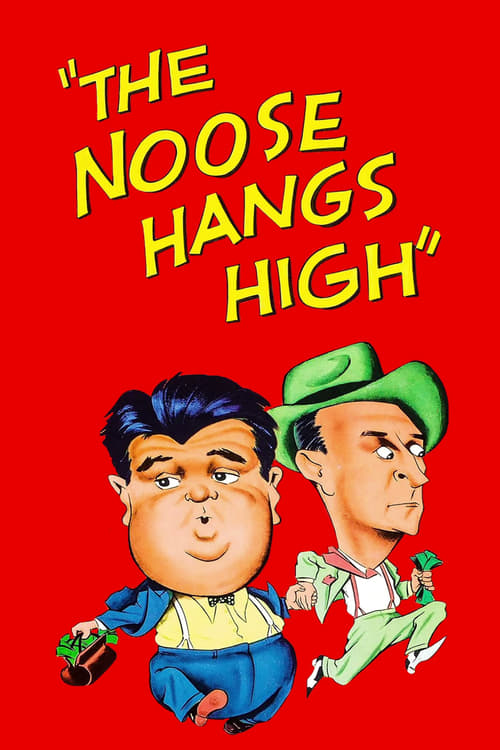
The Noose Hangs High
1948
No user ratings available yet
Representation score: 1.1 out of 10
No Poster Available
Representation Score
Minimal
1939
ApprovedDirector
Albert S. Rogell
Runtime
76 minutes
Average Rating
No ratings yetNew Showbiz Analysis
For Love or Money is a classic product of the 1930s studio system, designed for mass-market entertainment. The narrative structure reinforces traditional social and gender hierarchies rather than challenging them. The film relies on established comedic clichés and a homogeneous depiction of urban life. It lacks complexity in representing diverse identities, prioritizing conventional storytelling. Ultimately, the work serves as a baseline example of mid-century mainstream cinema, focusing on financial mismanagement and class-based misunderstandings within a narrow social context.
Category Breakdown
The film follows a traditional romantic comedy structure from the 1930s. It includes no representation of LGBTQ+ identities or same-sex relationships.
The plot uses typical gender stereotypes, such as a secretary with significant spending power. These actions serve as comedic triggers rather than critiques of gender roles.
The narrative focuses on a uniform urban setting. There is no evidence of characters from diverse racial backgrounds driving the plot.
The film operates as standard escapist entertainment. It functions within Western institutions and centers on resolving financial issues without challenging societal norms.
There is no indication of characters with visible or invisible disabilities playing central roles in the plot.
Present on Screen
Limited or Absent
Official Synopsis
To dim-bulb accountants find themselves working for a bookie in this comedy. Their jobs and their lives are placed in jeopardy when they accidently fumble $50,000 worth of the bookie's cash over to the secretary who wastes no time in spending $44,000 of it in less than 8 hours. The bookkeepers are given 36 hours to get all of the money back by their infuriated boss.
1948
1940
1935
1940
1937
1952
1935

1964
No reviews yet. Be the first to share your thoughts on this movie!
Use the rating form above to leave a star rating and optional review.