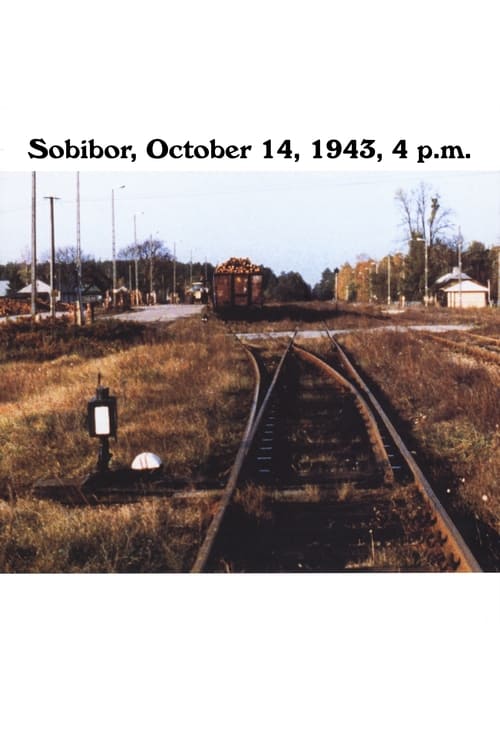
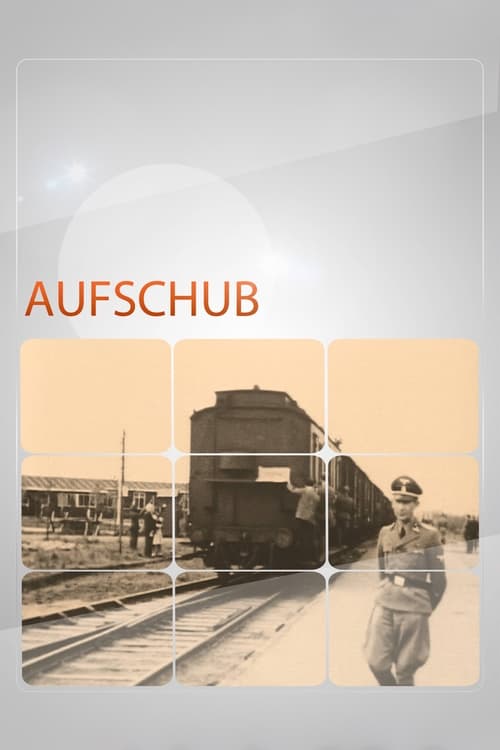
Sobibor, October 14, 1943, 4 p.m.
2001
No user ratings available yet
Representation score: 6.0 out of 10
Representation Score
Fair
1942
Runtime
66 minutes
Average Rating
No ratings yetNew Showbiz Analysis
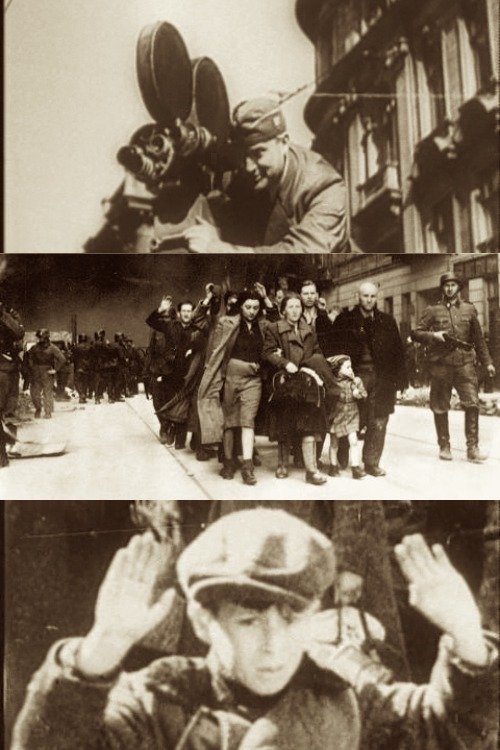
This documentary serves as a raw archival record of the Jewish population's survival in the Warsaw Ghetto. Its primary strength lies in its unflinching documentation of ethnic identity and the maintenance of social structures under extreme oppression. The film focuses solely on the immediate administrative and survival realities of the occupation. Consequently, it lacks visibility regarding LGBTQ+ identities and specific disability narratives, which were not documented components of the communal record at the time. Ultimately, the work functions as a foundational text of the multi-layered struggles faced by the Jewish population. It provides a vital, non-Western perspective on a historical catastrophe, prioritizing the documentation of existence over narrative construction.
Category Breakdown
There are no visible or documented LGBTQ+ characters or stories in the film. Given the historical context, there are no representations of non-straight identities.
Women are shown working together in communal labor and social structures within the ghetto. The film captures gender roles influenced by systemic scarcity rather than a deliberate challenge to traditional hierarchies.
The documentary focuses intensely on the Jewish population enduring systemic dehumanization. It provides a unique, non-Anglo-Saxon perspective on identity and community organization during a historical disaster.
The footage highlights the endurance of religious and communal structures under extreme hardship. It underscores the collapse of human rights and the necessity of survival within a genocidal regime.
The film depicts the physical toll of malnutrition and systemic violence rather than characters with disabilities. These conditions indicate the harsh living conditions in the ghetto.
Present on Screen
Limited or Absent
2001
1998
2019
1985
2010
1935
1999
2007
No reviews yet. Be the first to share your thoughts on this movie!
Use the rating form above to leave a star rating and optional review.