Three Minutes: A Lengthening
2022
No user ratings available yet
Representation score: 8.6 out of 10
Representation Score
Excellent
2019
Director
Eric Bednarski
Runtime
71 minutes
Average Rating
No ratings yetNew Showbiz Analysis
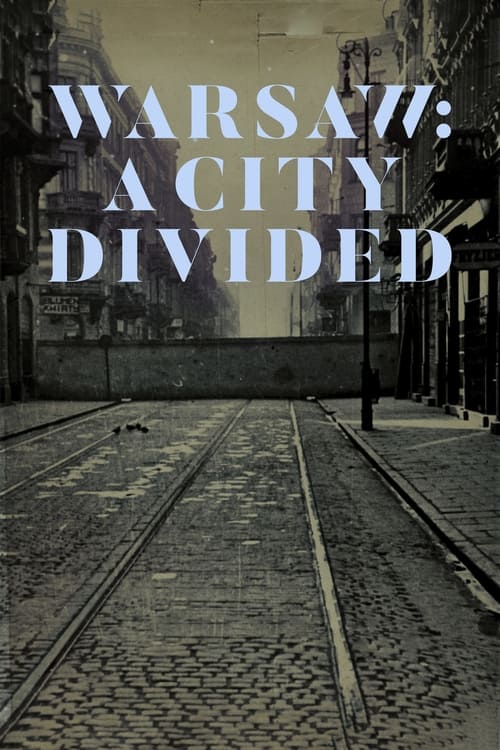
Warsaw: A City Divided serves as a vital act of historical reclamation. By centering the voices of a persecuted ethnic group and utilizing rediscovered archival footage, the film successfully disrupts traditional, triumphalist historical narratives. It prioritizes the moral weight of the victim's experience over nationalist perspectives. While the film excels at centering underrepresented ethnic identities, it lacks explicit engagement with contemporary identity politics. There is no clear evidence of specific focus on LGBTQ+ narratives or the subversion of gender hierarchies within the survivor testimonies. Ultimately, the documentary's strength lies in its ability to provide a critical lens on systemic oppression. It functions as a powerful tool for preserving the memory of those historically silenced by state-sponsored violence.
Category Breakdown
The documentary focuses on the historical realities of the Warsaw Ghetto and systemic division. There is no explicit mention of LGBTQ+ identities or narratives that challenge the assumption that everyone is straight or cisgender.
The narrative relies on survivor testimonies within a historical context involving both men and women. It does not specify if the film actively challenges traditional gender hierarchies or focuses on women's ability to drive the story.
The film centers Jewish identity and the experiences of those targeted by systemic ethnic persecution. It prioritizes the perspectives of the oppressed through survivor testimony and rediscovered archival footage.
The documentary challenges Western historical narratives by focusing on victims of state-sponsored violence. It emphasizes the legacy and memory of the Ghetto to critique oppressive institutional power.
The film deals with the profound physical and psychological trauma inherent to the Holocaust. However, it is unclear if neurodivergence or specific disabilities are central themes or portrayed through survivor ability to act.
Present on Screen
Limited or Absent
Official Synopsis
The history of the Warsaw Ghetto (1940-43) as seen from both sides of the wall, its legacy and its memory: new light on a tragic era of division, destruction and mass murder thanks to the testimony of survivors and the discovery of a ten-minute film shot by Polish amateur filmmaker Alfons Ziółkowski in 1941.
2022
1998
2021
1985
1995

2014

2017
2018
No reviews yet. Be the first to share your thoughts on this movie!
Use the rating form above to leave a star rating and optional review.