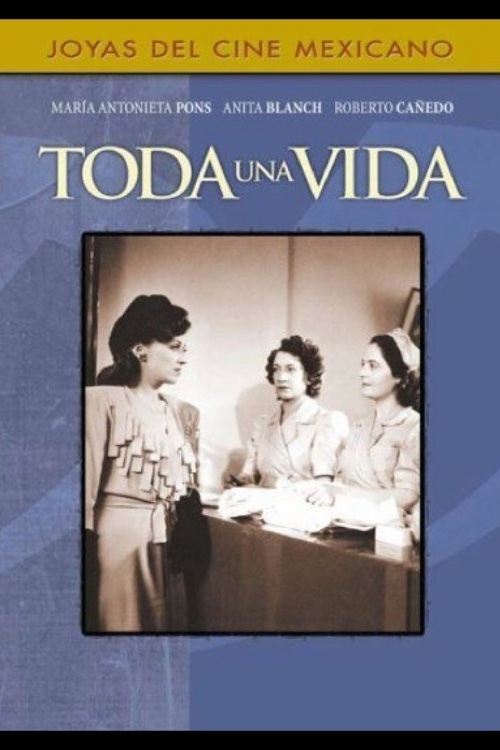
Toda una vida
1945
No user ratings available yet
Representation score: 2.0 out of 10
Representation Score
Minimal
1950
Not RatedDirector
Ismael Rodríguez
Runtime
113 minutes
Average Rating
No ratings yetNew Showbiz Analysis
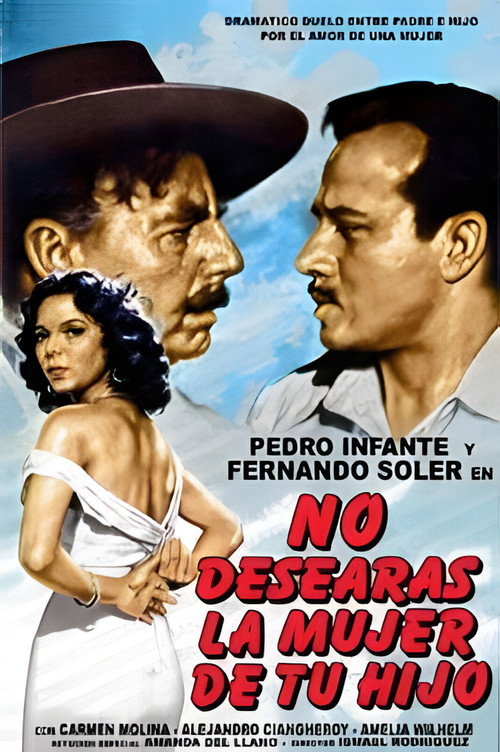
This 1950 melodrama by Ismael Rodríguez explores interpersonal conflicts within the context of traditional Mexican cinema. It adheres closely to the social norms and moral certainties of the time, focusing on domestic drama rather than challenging systemic issues. The film's narrative centers on a romantic triangle that reinforces traditional gender roles and heterosexual relationships. While it offers a culturally specific Mestizo perspective, it lacks diverse representation or multi-layered depth.
Category Breakdown
The film does not include any characters with LGBTQ+ identities, reinforcing traditional heterosexual norms. The story revolves around a classic love triangle that upholds conventional romantic relationships.
The plot follows traditional gender roles, where the female lead drives the story but her actions are constrained by family responsibilities. Her role is limited by societal expectations.
The cast is primarily made up of actors with Mestizo backgrounds, reflecting the typical representation in Mexican cinema of the time. However, there is no significant diversity in terms of race or ethnicity.
The story is set within the moral framework of the mid-20th century, emphasizing social propriety and the importance of family unity. It does not challenge or critique social institutions.
The film does not feature any characters with visible or invisible disabilities. There is no exploration of neurodivergent conditions or physical impairments.
Present on Screen
Limited or Absent
Official Synopsis
An elderly man falls in love with a beautiful young woman, without knowing that she is in love with his son.
1945
1953

1946

1952
1955
1952
1935
1957
No reviews yet. Be the first to share your thoughts on this movie!
Use the rating form above to leave a star rating and optional review.