
Il Grido
1957
No user ratings available yet
Representation score: 4.3 out of 10
Representation Score
Limited
1965
Director
Franz Antel
Average Rating
No ratings yetNew Showbiz Analysis
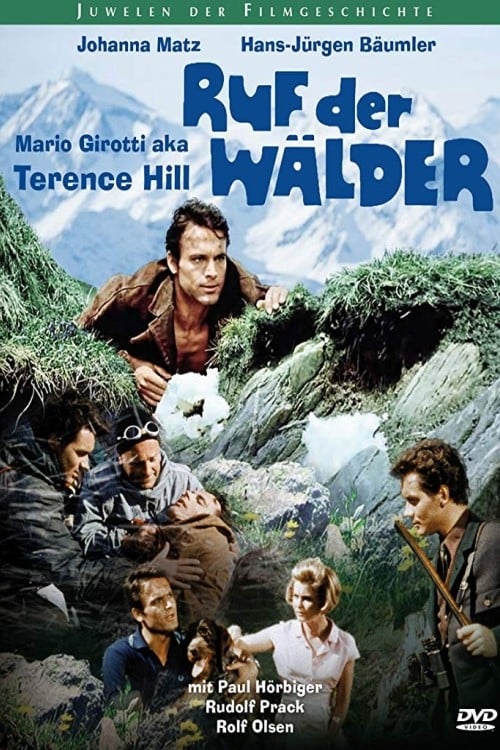
Ruf der Wälder functions as a conventional mid-century drama. Its primary thematic depth lies in depicting the immigrant experience, using the protagonist's linguistic and cultural struggles to anchor the narrative. However, the film relies heavily on traditional archetypes. The narrative is driven by male physical confrontations and a romantic structure that places women in passive roles, limiting the scope of its social commentary. While the film acknowledges ethnic tension, it does not extend to a broader critique of multiculturalism or systemic social hierarchies, staying within mainstream entertainment standards.
Category Breakdown
The film does not include any LGBTQ+ characters or non-cisgender identities. The main romantic storyline follows a traditional heterosexual relationship between the Italian protagonist and a local woman.
The story revolves around male-driven conflicts and romantic rivalries. The female lead mainly serves as an object of affection and a catalyst for conflict rather than an active participant in the story.
The film highlights the immigrant experience through the perspective of an Italian worker facing linguistic barriers. However, the focus remains on personal assimilation rather than a broader critique of systemic xenophobia.
The narrative follows traditional Western storytelling structures, emphasizing individual struggle and romantic pursuit without challenging Western institutions such as the family or the state.
The film does not portray any visible or invisible disabilities. There are no instances where disability is used as a narrative device or a subject of mockery.
Present on Screen
Limited or Absent
Official Synopsis
A young Italian worker is always having problems with his coworkers because he doesn't understand their language. His only friend is a dog that came up to him. After his coworkers kick the dog, he becomes angry and beats up the bully. He is then summoned to his boss, who wants to fire him. Standing beside him, however, is a man who wants to take him to Austria to work. There, he meets a beautiful woman and falls in love with her, but he isn't the only one. Someone else has a crush on the woman, and so a conflict erupts that escalates to a head-on.
1957

1961

1963

1960
1959
1960
1953
1970
No reviews yet. Be the first to share your thoughts on this movie!
Use the rating form above to leave a star rating and optional review.