
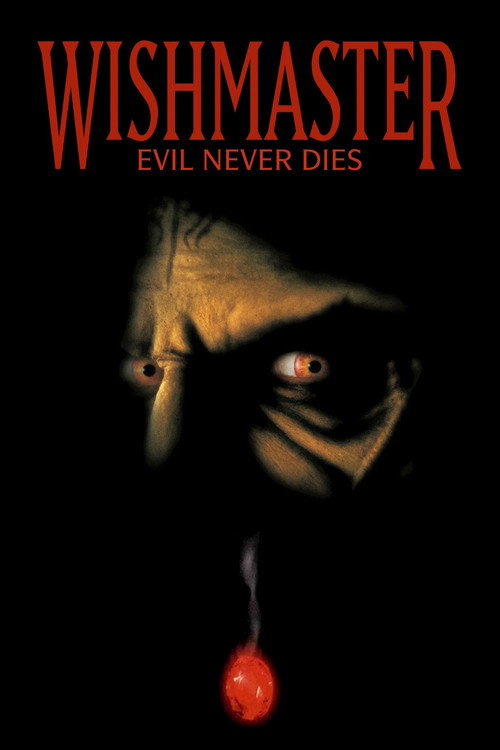
Wishmaster
1997
No user ratings available yet
Representation score: 2.3 out of 10
Representation Score
Fair
1999
RDirector
Jack Sholder
Runtime
96 minutes
Average Rating
No ratings yetNew Showbiz Analysis
Wishmaster 2: Evil Never Dies is a conventional horror film that prioritizes established genre mechanics over progressive representation. The film relies on traditional clichés such as the 'final girl' and standard moral causality, rather than challenging social hierarchies. While Morgana, the female protagonist, plays a significant role in the story, the narrative remains within a framework that assumes everyone is straight or cisgender. The film does not intentionally address multi-layered identities, focusing instead on the supernatural irony of the Djinn's wishes. Ultimately, the production reflects the standard industry practices of the late 1990s. It functions as a typical genre piece that does not engage with the deconstruction of systemic power or diverse social perspectives.
Category Breakdown
The film does not include any LGBTQ+ characters or storylines. It follows a traditional framework that assumes everyone is straight or cisgender.
Morgana is a strong female lead who plays a significant role in driving the story. However, the narrative largely follows the 'final girl' cliché, where her actions are reactive to malevolent forces.
The casting follows standard industry practices of the time, resulting in a relatively homogeneous cast. There is no indication of intentional color-blind casting or diverse ethnicities.
The story uses a traditional moral framework, featuring a priest and themes of moral causality. It focuses on supernatural horror rather than critiquing Western institutions or capitalism.
There are no significant characters with visible or invisible disabilities. The film does not use neurodivergence or physical disability as a central narrative component.
Present on Screen
Limited or Absent
Official Synopsis
During a failed art heist, the Djinn is once again liberated. This time, to complete the 1001 wishes that he needs before the final 3, he lets himself go to prison, where he starts his evil reign twisting the hopes of the prisoners. Meanwhile, the woman who set him free accidentally, Morgana, tries to find a way to stop him, aided by a young priest.
1997
1983

2002

1988

2001

1995

2016
1932
No reviews yet. Be the first to share your thoughts on this movie!
Use the rating form above to leave a star rating and optional review.