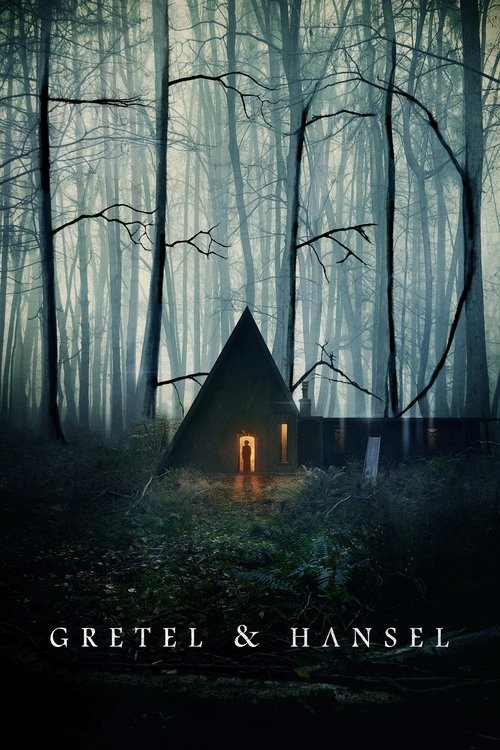
Gretel & Hansel
2020
No user ratings available yet
Representation score: 5.2 out of 10
Representation Score
Minimal
1997
RDirector
Michael Cohn
Runtime
100 minutes
Average Rating
No ratings yetNew Showbiz Analysis
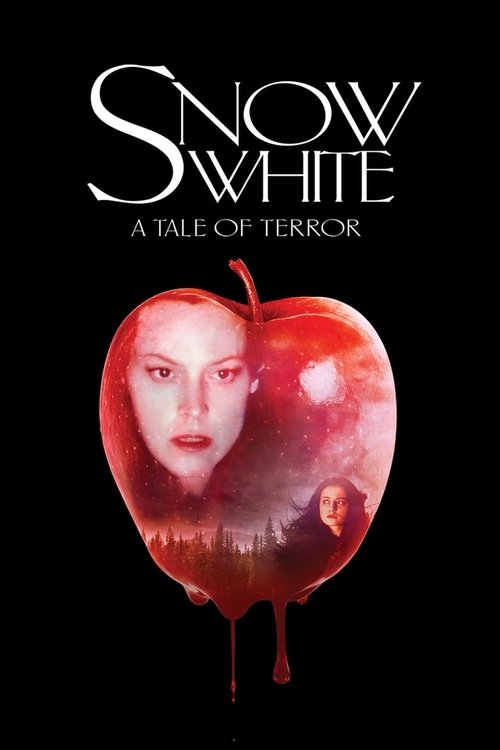
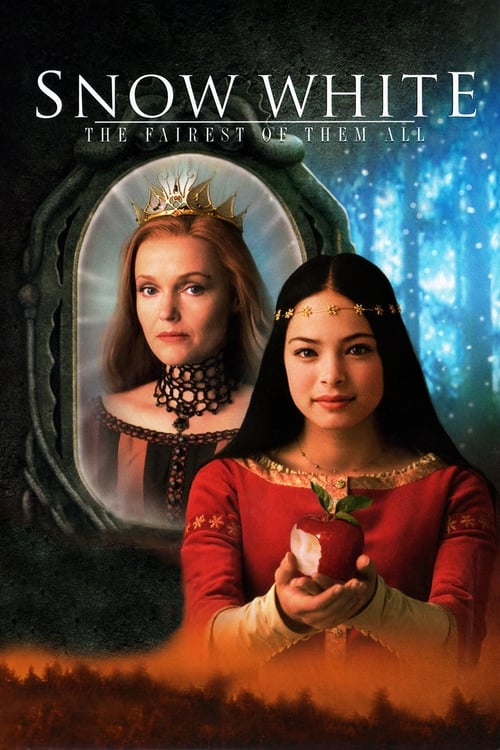
This dark fantasy reimagining prioritizes gothic atmosphere and psychological horror over social representation. It successfully presents a complex, female-driven conflict where the antagonist's ambition drives the plot. However, the film remains deeply traditional in its casting and cultural scope. The lack of engagement with multiple aspects of identity and the reliance on a homogeneous European cast limit its diversity profile. Ultimately, the work functions as a specialized genre piece. It explores localized power dynamics between women but avoids broader systemic or social critiques.
Category Breakdown
The film does not include any LGBTQ+ characters or narratives. All romantic and interpersonal relationships follow traditional heterosexual structures without challenging gender-based intimacy.
The story focuses on female empowerment and conflicts rather than male-led interventions. While Lady Claudia demonstrates significant magical and intellectual prowess, the film does not provide a broader critique of patriarchal structures.
The production features a homogeneous cast reflecting a traditional European aesthetic. There is no indication of diverse ethnic identities or color-blind casting within this period-specific fantasy.
The narrative draws heavily on archetypal morality and the darker traditions of fairy tales. It does not engage with critiques of Western institutions, capitalism, or organized religion.
There are no evident portrayals of physical or neurodivergent disabilities. Characters are defined by their psychological states and magical abilities instead.
Present on Screen
Limited or Absent
Official Synopsis
When young Lili's mother dies in childbirth, her father remarries Lady Claudia, a woman ruled by an evil mirror with the power to make her queen of all living things. After escaping an attempt on her life, Lili finds herself lost in a dark forest, where living happily ever after seems unlikely.
2020
1984

2013
1988
1990
1983
2001
2007
No reviews yet. Be the first to share your thoughts on this movie!
Use the rating form above to leave a star rating and optional review.