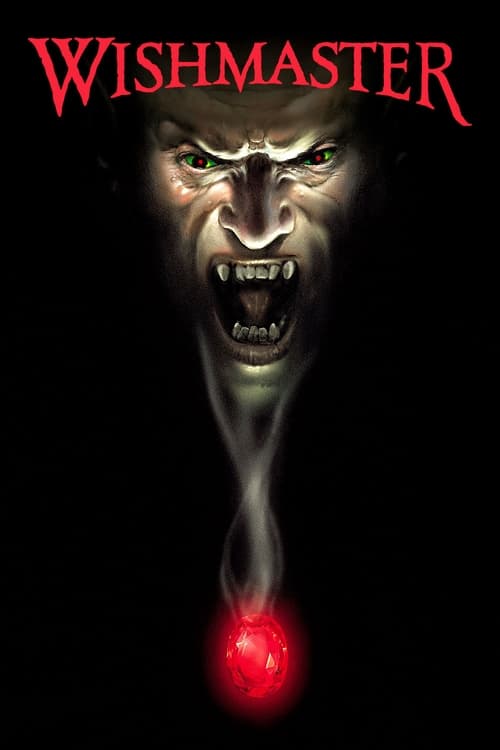
Wishmaster
1997
No user ratings available yet
Representation score: 2.3 out of 10

Representation Score
Good
1995
RDirector
Clive Barker
Runtime
109 minutes
Average Rating
No ratings yetNew Showbiz Analysis
Clive Barker’s work stands out for deconstructing traditional hierarchies, particularly through its subversion of gender roles. The film moves away from submissive femininity, granting female characters significant power and ability to act. However, the film is limited by the genre conventions of its time. It lacks explicit LGBTQ+ narratives and fails to provide actively leading roles for characters of color, despite a multicultural setting. Ultimately, the film focuses on moral complexity and skepticism of institutions. It prioritizes metaphysical and psychological shifts over explicit identity-based storytelling.
Category Breakdown
The film does not include any LGBTQ+ romantic relationships or characters focused on non-cisgender identities. While it explores spiritual transformations, these themes do not translate into real-life LGBTQ+ experiences.
Nell serves as a key driver of the narrative, possessing supernatural abilities that challenge traditional gender roles. The film overturns masculine dominance by centering female characters with significant magical power and intellectual independence.
The urban New York setting includes a diverse cast that avoids a singular white perspective. However, there is a lack of actively leading roles for characters of color, which limits the score.
The story questions institutional effectiveness by depicting legal and police systems as inefficient. It operates in a morally ambiguous space where traditional ethical frameworks fail against supernatural forces.
Themes of physical transformation act as metaphors for bodily autonomy but primarily function as horror elements. These changes serve as plot catalysts rather than character-driven explorations of disability.
Present on Screen
Limited or Absent
Official Synopsis
During a routine case in L.A., NY private investigator Harry D'Amour stumbles over members of a fanatic cult who are preparing for the resurrection of their leader Nix, a powerful magician who was killed 13 years earlier.
1997
1932

2005

1957
1994

1988
1999
1989
No reviews yet. Be the first to share your thoughts on this movie!
Use the rating form above to leave a star rating and optional review.