Die schöne Lügnerin
1959
No user ratings available yet
Representation score: 3.9 out of 10
Representation Score
Minimal
2012
Director
Jean-Christophe Hembert
Runtime
95 minutes
Average Rating
No ratings yetNew Showbiz Analysis
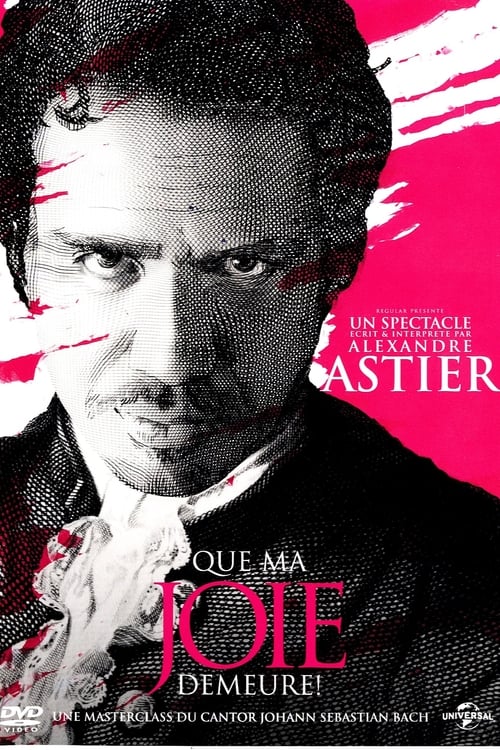
This filmed one-man show is highly centralized, focusing on a single performer portraying a specific historical figure. This narrative structure limits the range of demographic representation. The setting and subject matter emphasize a singular European perspective. The historical context of 18th-century Leipzig further narrows the scope of racial and ethnic diversity. Overall, the format of a solo performance restricts opportunities for multi-layered representation. The film serves primarily as a specialized historical dramatization rather than a diverse ensemble piece.
Category Breakdown
The film does not include any LGBTQ+ characters or non-cisgender identities. Given its nature as a solo historical comedy, there is no queer representation.
The movie centers around a male character, Alexandre Astier, who plays Bach. The one-person show emphasizes a strong male perspective and ability to act.
Set in 18th-century Leipzig, the film reflects the ethnic uniformity of the time. The story focuses on a single European historical figure.
The work explores Western classical music and religious history. It seems to embrace traditional high-culture settings without challenging them.
The film does not feature any characters with visible or invisible disabilities. It also does not address neurodivergence or mental health issues.
Present on Screen
Limited or Absent
Official Synopsis
In 1733, Johann Sebastian Bach gives an explosive and unexpected music lesson at the Leipzig church.
1959

2018
1971
1991

2022
2023

1958

1981
No reviews yet. Be the first to share your thoughts on this movie!
Use the rating form above to leave a star rating and optional review.