
Under Your Spell
1936
No user ratings available yet
Diversity score: 1.9 out of 10
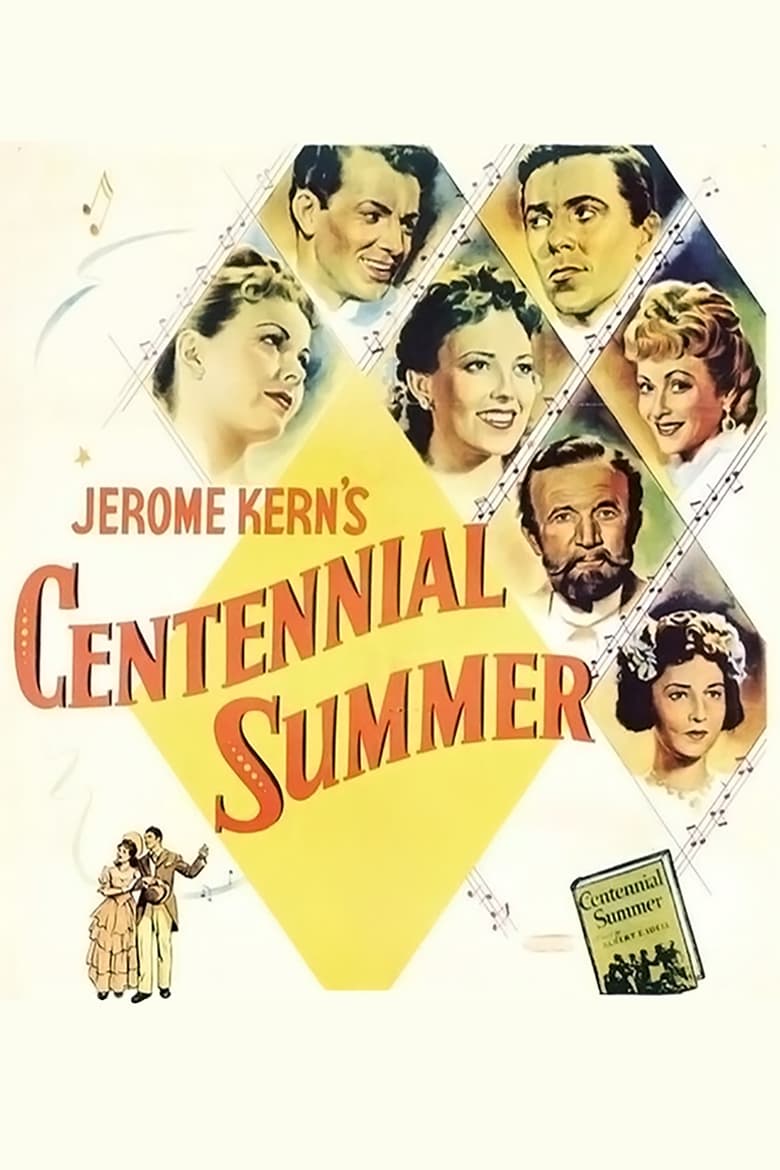
1946
NRDirector
Otto Preminger
Runtime
102 minutes
Average Rating
No ratings yetSynopsis
In 1876 Philadelphia, two sisters vie for the affections of a Frenchman who's come to town to prepare the French pavilion for the Centennial exposition.
Overall Score
Limited
Category Breakdown
LGBTQ+ Representation
The film lacks any depiction of non-heteronormative identities or same-sex intimacy. The story relies on a traditional romantic love triangle common to the era.
Gender Representation
Female characters find agency through sibling rivalry and emotional complexity. However, their motivations remain largely centered on competing for a male protagonist's affection.
Racial & Ethnic Diversity
The cast suggests a predominantly Anglo-American ensemble set in 1876 Philadelphia. While a French character adds international flavor, there is no evidence of significant racial blending.
Religious & Cultural Diversity
The narrative celebrates the Centennial Exposition and Western progress. It aligns with mid-century values regarding family and courtship without challenging established institutions.
Disability Representation
There are no visible or mentioned depictions of physical or neurodivergent disabilities within the film.
Strengths
Areas for Improvement
AI Analysis
Centennial Summer is a conventional mid-century musical that adheres to the social and narrative hierarchies of 1946. The film prioritizes historical celebration and traditional romantic conflict over the inclusion of intersectional identities. The story's structure relies on established genre tropes, such as the love triangle, which limits the scope of character representation. While the period setting offers some internationalism through a French character, the ensemble remains largely homogeneous. Ultimately, the film functions as a standard studio-era production, reflecting the demographic norms and values of its time rather than seeking to disrupt them.
No reviews yet. Be the first to share your thoughts on this movie!
Use the rating form above to leave a star rating and optional review.