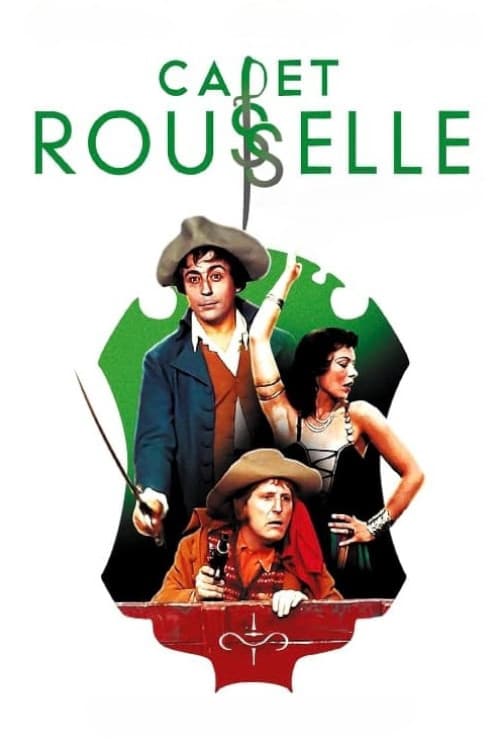
Cadet Rousselle
1954
No user ratings available yet
Representation score: 1.1 out of 10

Representation Score
Limited
1969
Director
Édouard Molinaro
Runtime
90 minutes
Average Rating
No ratings yetNew Showbiz Analysis
My Uncle Benjamin is a period comedy that prioritizes challenging institutional authority over demographic inclusivity. It functions as a character study of rebellion against the social mores of the 1920s. The film excels at dismantling class hierarchies and the performative expectations of the aristocracy. It uses Benjamin's desire for independence to challenge the oppressive nature of traditional family units and marriage contracts. However, the work lacks modern diversity. It remains rooted in the demographic homogeneity of its era, offering little representation regarding race or LGBTQ+ identities.
Category Breakdown
The film follows a traditional 1920s social framework where romantic relationships are strictly between men and women, focusing on Benjamin's pursuit of Manette and Arabelle without showing any non-binary or transgender identities.
Female characters like Bettine and Manette show strong roles in driving the story. However, the film relies on traditional gender clichés, such as the 'beautiful daughter' stereotype, which limits its progressive impact.
Reflecting the homogeneous demographics of post-WWI France, the cast is mainly Western European. There is no significant evidence of racial blending or non-white characters in positions of influence.
The story criticizes rigid aristocratic structures and the restrictive nature of arranged marriages. It emphasizes individual autonomy over the established social norms of the 1920s upper class.
There is no focus on visible or invisible disabilities. No characters are used as central figures regarding physical impairments or neurodivergence.
Present on Screen
Limited or Absent
Official Synopsis
Benjamin is in love with Manette, the innkeeper's beautiful daughter, but she has no intention of giving in to the young doctor until she sees the marriage contract, and marriage does not fit in with Benjamin's spirit of independence. For the same reason he resists the efforts of his sister Bettine to marry him off to Arabelle, the daughter of old Dr. Minxit. Benjamin does agree to go and meet the girl. But that evening his sister finds him at the inn together with Manette, who is arrested by her father. So she decides to go with Benjamin herself. But as result of an incident with the fat Marquis puts paid to the expedition. Benjamin is subjected by the Marquis to a humiliating practical joke. Benjamin is determined to got his revenge. He succeeds thanks to the gorgeous Vicomte Hector de Pont-Cassé, who also helps Manette with her problems against her father. But Benjamin is now arrested by the Marquis...
1954
1971

1971
1980
1959
1957
1970
1952
No reviews yet. Be the first to share your thoughts on this movie!
Use the rating form above to leave a star rating and optional review.