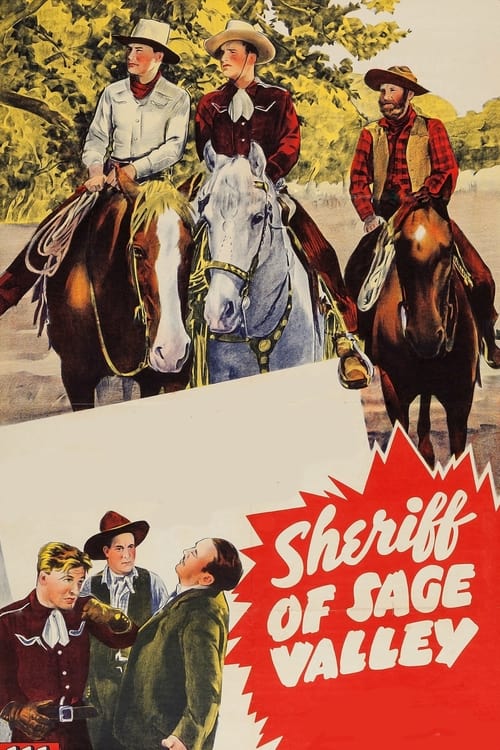
Sheriff of Sage Valley
1942
No user ratings available yet
Representation score: 0.5 out of 10
Representation Score
Minimal
1942
PassedDirector
Sam Newfield
Runtime
57 minutes
Average Rating
No ratings yetNew Showbiz Analysis
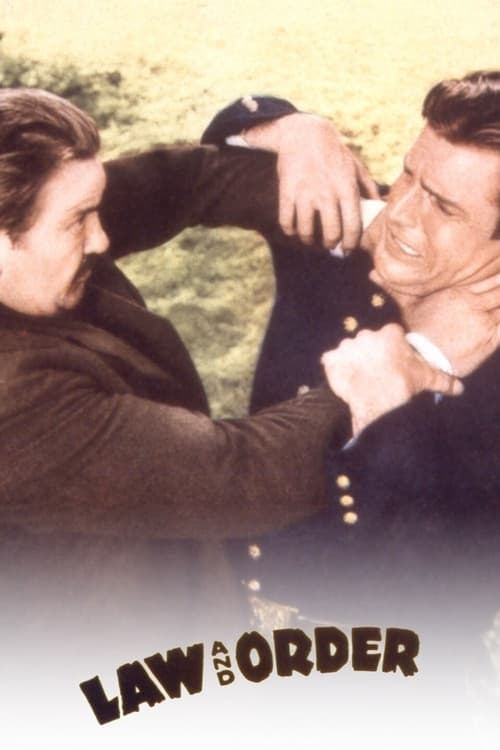
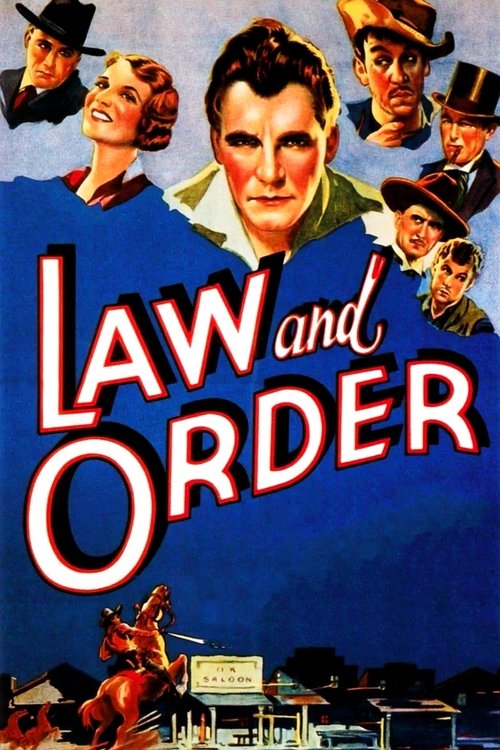
Law and Order is a conventional 1940s Western that reinforces established social and legal hierarchies. The story centers on a doppelgänger cliché between two male leads, emphasizing masculine archetypes over diverse perspectives. The film lacks multi-layered complexity, adhering to the era's standard focus on Anglo-Saxon protagonists and traditional authority. It functions as a formulaic genre piece designed to uphold social order rather than challenge it. Overall, the production offers very little representation outside of traditional, mid-century Western norms, resulting in a low diversity score.
Category Breakdown
The film does not include any LGBTQ+ characters or non-cisgender identities. It follows the standard heterosexual and cisgender norms typical of 1942 Western cinema.
The story focuses on male-centric roles such as outlaws and military officers. There is no indication of women taking a leading role or challenging traditional gender roles.
The film likely adheres to the homogeneous casting standards of the early 1940s. It prioritizes Anglo-Saxon protagonists common to the Western genre of this era.
The plot emphasizes traditional Western institutions and state authority. It focuses on restoring social stability rather than offering any critical perspective.
There is no information available regarding the depiction of physical or neurodivergent disabilities in this production.
Present on Screen
Limited or Absent
Official Synopsis
Billy the Kid and his pals Jeff Travis and Fuzzy Jones are arrested and brought to Fort Culver, where Billy is amazed to discover that he and the post commander Lieutenant Ted Morrison, are exact doubles.
1942
1958
1942
1945
1937
1938
1942
1932
No reviews yet. Be the first to share your thoughts on this movie!
Use the rating form above to leave a star rating and optional review.