
Bayside Shakedown
1998
No user ratings available yet
Diversity score: 2.9 out of 10

2012
Director
Katsuyuki Motohiro
Average Rating
No ratings yetOverall Score
Limited
Category Breakdown
LGBTQ+ Representation
The film lacks prominent LGBTQ+ characters or depictions of non-heteronormative identities. The social landscape remains largely traditional, focusing on established Japanese workforce structures.
Gender Representation
The narrative operates within a heavily male-dominated hierarchy centered on male camaraderie. Female characters do not drive the plot or subvert traditional gender roles within the police force.
Racial & Ethnic Diversity
The cast and setting are predominantly homogeneous, reflecting a specific Japanese demographic context. There is no significant evidence of racial blending or non-Japanese characters.
Religious & Cultural Diversity
The film offers a moderate critique of institutionalism by highlighting friction within the bureaucracy. It portrays police politics as a source of inefficiency rather than an idealized authority.
Disability Representation
There is no meaningful depiction of visible or invisible disabilities. Characters with disabilities do not serve as central agents in the narrative or character arcs.
Strengths
Areas for Improvement
AI Analysis
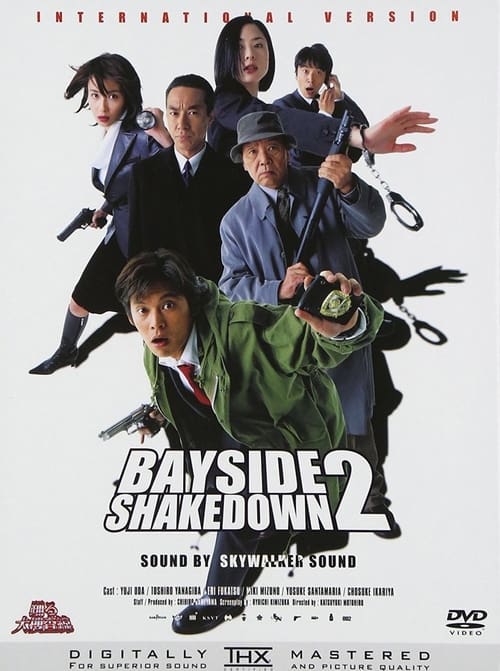
Bayside Shakedown the Last TV is a genre-specific procedural that prioritizes institutional critique over demographic intersectionality. While the film successfully challenges the efficiency of traditional bureaucratic hierarchies, it does so within a very narrow demographic framework. The narrative focuses heavily on socioeconomic and professional identity, specifically the 'salaryman' experience. This focus comes at the expense of broader representation, as the story lacks engagement with LGBTQ+ identities, racial diversity, or gender subversion. Ultimately, the film functions as a localized study of Japanese societal structures. It remains a traditional, homogeneous work that reinforces conventional masculine leadership roles within the police force.
1998

2010
2003
2005

2014

2024

2004
2024

1983

2021

2021

1981
No reviews yet. Be the first to share your thoughts on this movie!
Use the rating form above to leave a star rating and optional review.