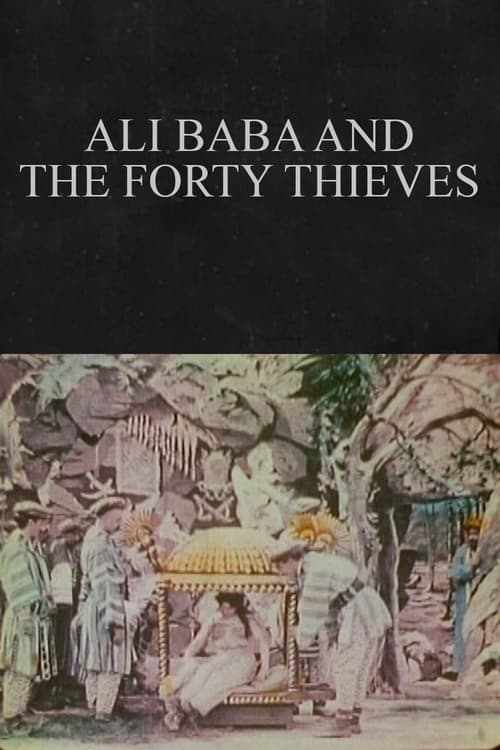
Ali Baba and the Forty Thieves
1907
No user ratings available yet
Representation score: 1.7 out of 10
Representation Score
Minimal
1902
GDirector
Ferdinand Zecca
Runtime
9 minutes
Average Rating
No ratings yetNew Showbiz Analysis
This early silent film is a foundational example of European cinematic Orientalism. It relies on the exoticization of Middle Eastern settings to cater to a Western fascination with the 'Other' through established folk clichés. The narrative structure reinforces traditional social hierarchies. By focusing on masculine archetypes and using non-Western cultures merely as aesthetic components, the film avoids nuanced cultural exploration. Overall, the work lacks complexity in representing diverse identities. It prioritizes visual spectacle over authentic representation or challenging conventional social norms.
Category Breakdown
The film does not include any non-straight or non-cisgender identities. There is no queer subtext either.
Male characters drive the story, emphasizing a masculine adventure. Power is associated with male presence, reinforcing traditional hierarchies.
The film presents Middle Eastern characters through an Orientalist lens, using them as exotic backdrops for Western adventures.
The film uses Middle Eastern settings as fantastical elements for a Western audience. It lacks any religious critique or anti-colonial sentiments, sticking to a typical Western storytelling format.
There is no representation of physical, sensory, or neurodivergent identities in this historical short film.
Present on Screen
Limited or Absent
Official Synopsis
An early hand-tinted adaptation of Ali Baba.
1907
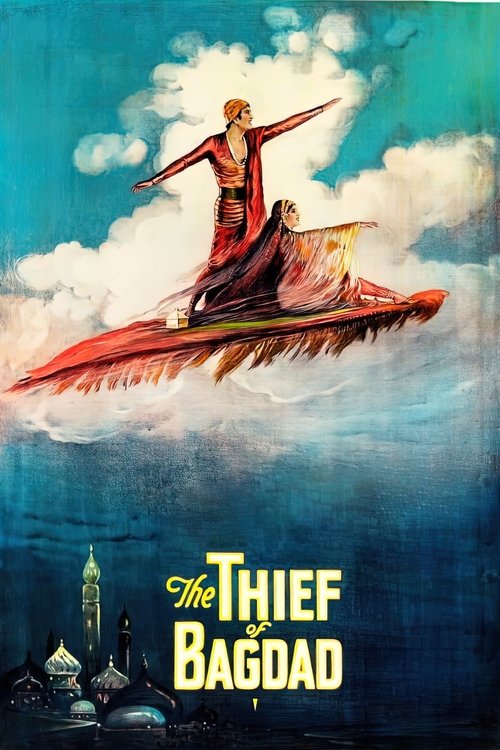
1924
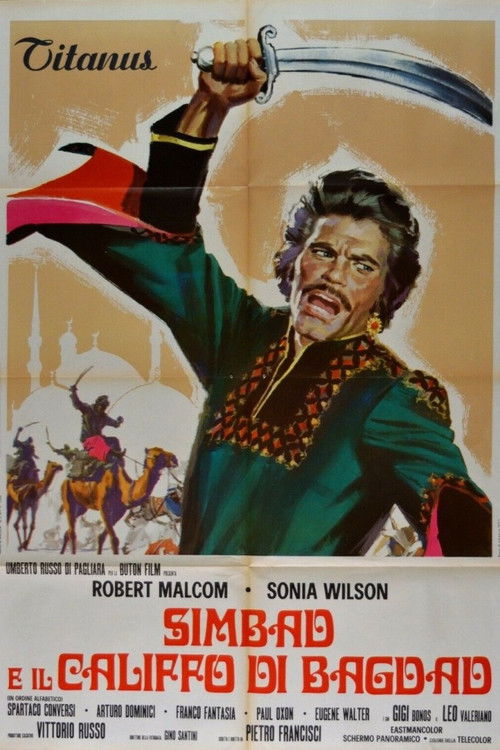
1973
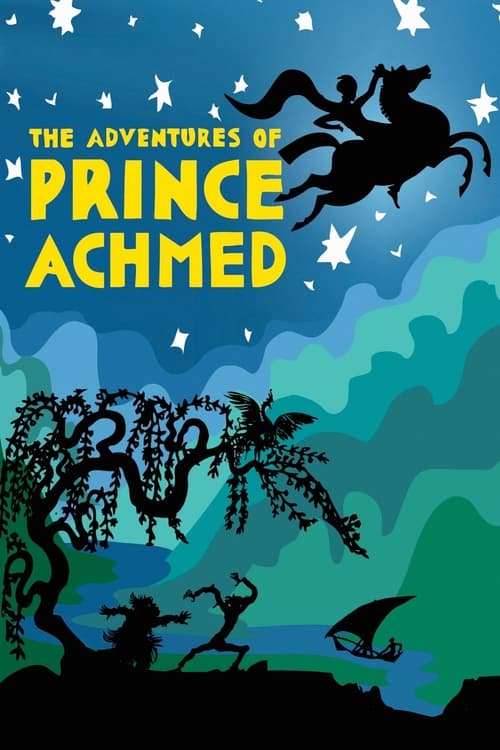
1926

1972
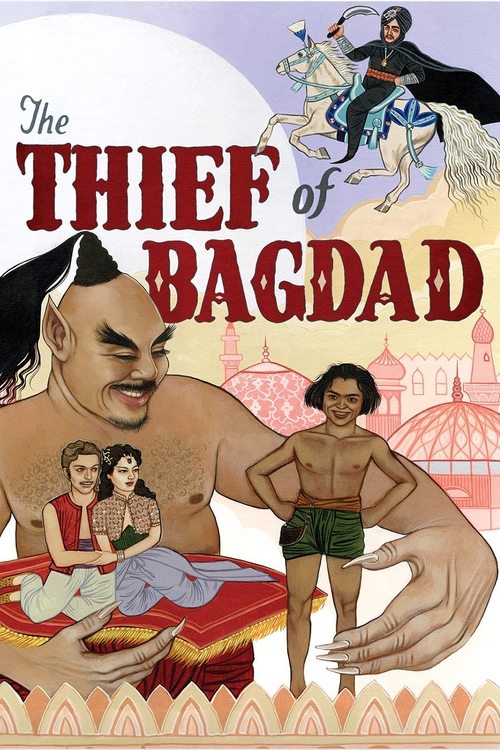
1940
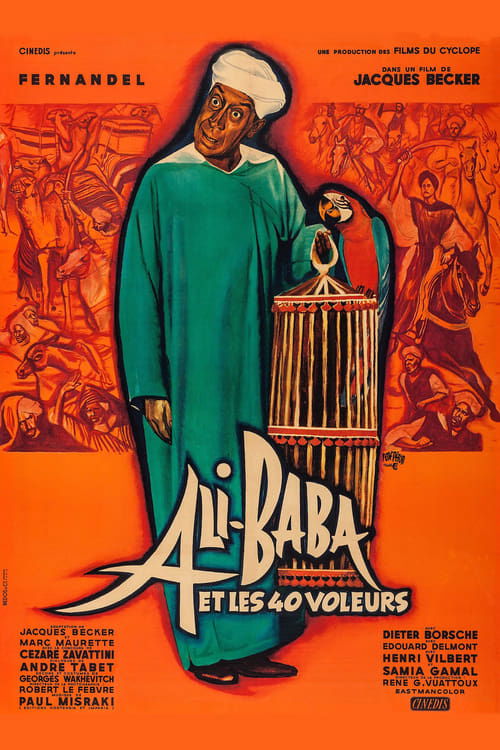
1954

2015
No reviews yet. Be the first to share your thoughts on this movie!
Use the rating form above to leave a star rating and optional review.