Battle of Warsaw 1920
2011
No user ratings available yet
Representation score: 0.5 out of 10
Representation Score
Limited
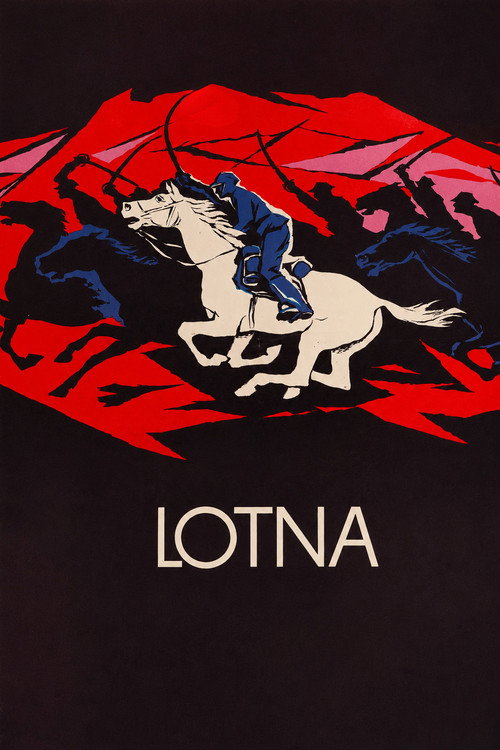
1959
Director
Andrzej Wajda
Runtime
85 minutes
Average Rating
No ratings yetNew Showbiz Analysis
Lotna is a period-specific drama that emphasizes national trauma and historical realism over modern diversity frameworks. It functions as a study of how systemic upheaval dismantles social and moral hierarchies. The film's perspective is unique, using a white thoroughbred horse to observe the collapse of traditional structures during the onset of World War II. This non-human protagonist serves as a witness to the disintegration of personal ability to act. While the film lacks modern diversity metrics, it provides a complex exploration of identity and survival. It deconstructs heroic myths to focus on the tragic realities of a community in crisis.
Category Breakdown
The film is set in a mid-century historical context and does not include stories involving LGBTQ+ individuals or non-cisgender identities.
Women are shown to be resilient and strong in the face of occupation, though they are depicted within domestic and communal settings. The narrative avoids purely submissive stereotypes by using a horse to highlight their shifting roles.
The cast is primarily made up of actors representing a homogeneous Polish village population from 1939. The film focuses on the binary relationship between Polish peasants and German occupiers.
Catholic themes and village life are central but portrayed through a lens of crisis. The film examines how systemic violence and war erode traditional moral certainties.
There are no prominent or central depictions of visible or invisible disabilities used as primary narrative drivers.
Present on Screen
Limited or Absent
Official Synopsis
Set in the beginning of World War II, when the Polish cavalry still fought with lances against German troops, the movie is about a white thoroughbred horse that passed through various hands in a military outfit.
2011
2015
1984
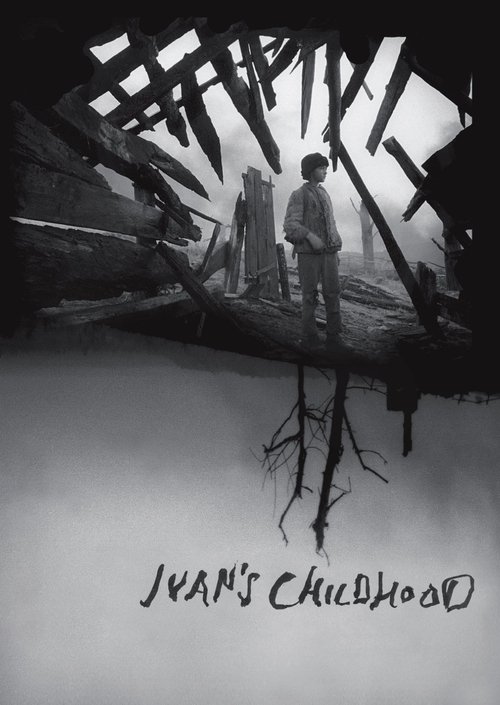
1962
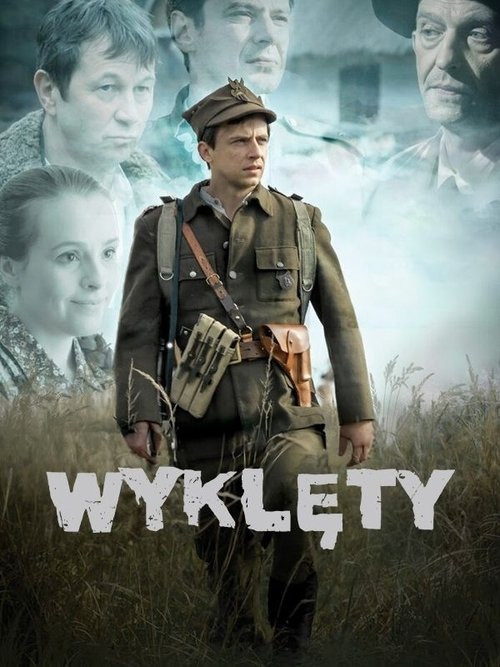
2017
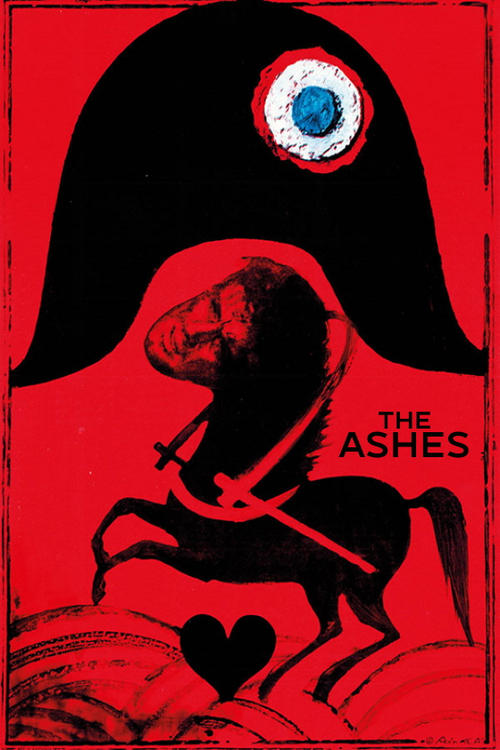
1965
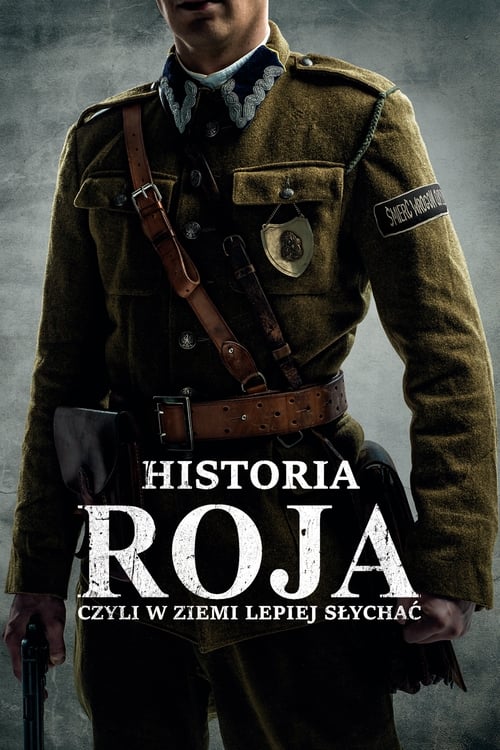
2016

1963
No reviews yet. Be the first to share your thoughts on this movie!
Use the rating form above to leave a star rating and optional review.