National Velvet
1945
No user ratings available yet
Representation score: 1.4 out of 10

Representation Score
Minimal
1963
ApprovedDirector
Arthur Hiller
Runtime
118 minutes
Average Rating
No ratings yetNew Showbiz Analysis
Miracle of the White Stallions is a traditional period drama that prioritizes historical preservation and conventional heroism. The narrative focuses on the tension between military duty and the moral preservation of the Lipizzaner stallions. While the film effectively depicts the Allied liberation of Europe, it does so through a very narrow lens. The cast and character dynamics reflect the mid-century social hierarchies of its era, offering little in the way of perspectives that reflect multiple aspects of identity. Ultimately, the film functions as a celebration of established Western values and military order, lacking any attempt to subvert cultural norms or include diverse identities.
Category Breakdown
The film does not include any LGBTQ+ characters or explore non-straight relationships. It adheres to the social constraints of its 1963 production period.
Male military officers and horse handlers have the most influence and control over the story. Female characters play supporting roles without the power to challenge patriarchal structures.
The cast is primarily made up of white actors, reflecting the specific Austrian and German context of the WWII setting. There is no diverse ethnic representation.
The story emphasizes the preservation of Western cultural heritage and traditional military heroism. It celebrates the protection of high culture through state-sanctioned means.
There are no visible or invisible disabilities integrated into the character arcs. The film does not provide representation for neurodivergent or physically disabled individuals.
Present on Screen
Limited or Absent
Official Synopsis
In WWII Austria, Col. Alois Podhajsky must protect his beloved Lipizzaner stallions and make sure that they are surrendered into the right hands. But Patton's something of a horse fancier and can help...if he sees the stallions perform.
1945
1946
1953
1994
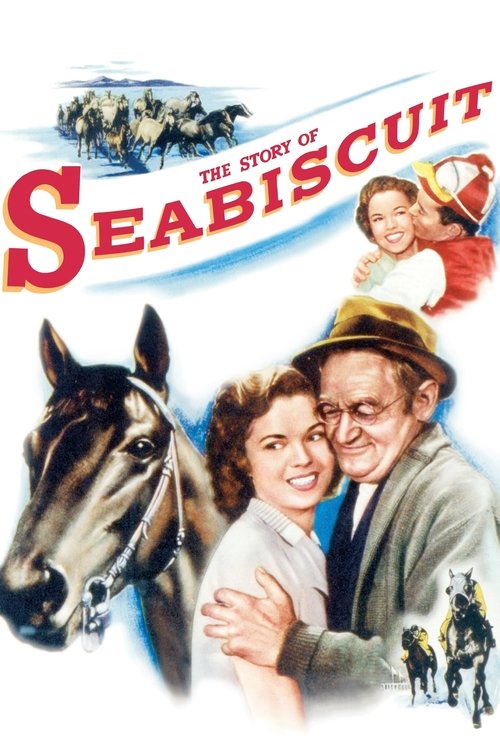
1949
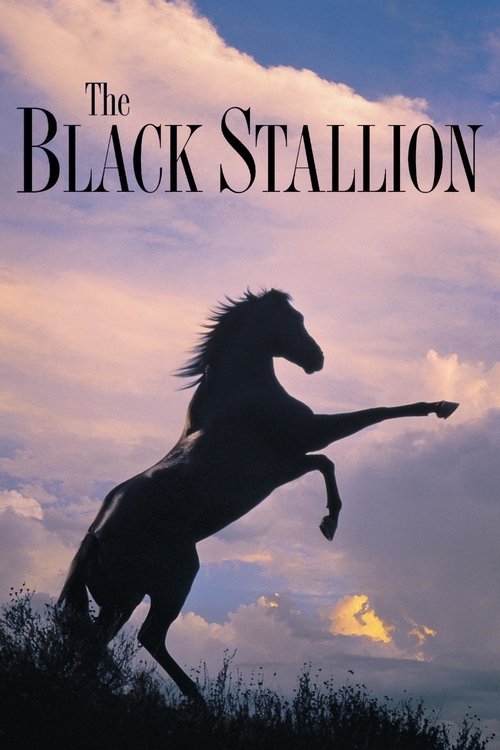
1979
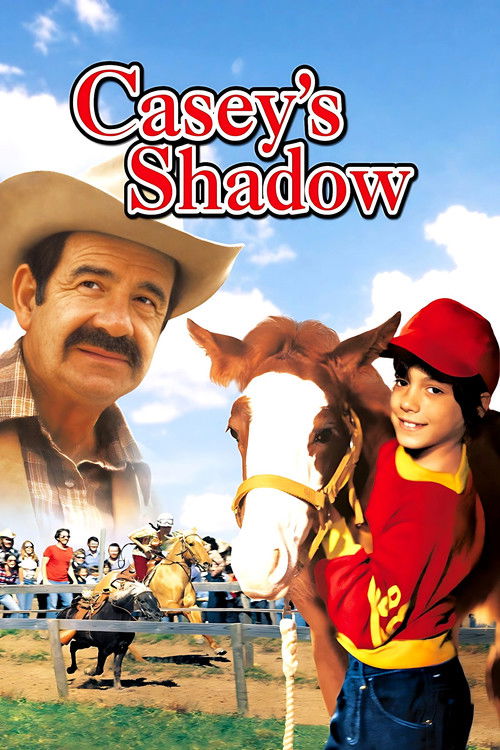
1978
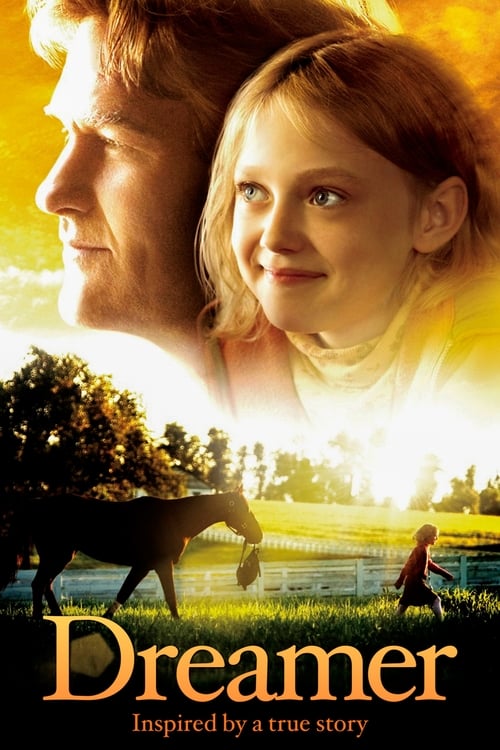
2005
No reviews yet. Be the first to share your thoughts on this movie!
Use the rating form above to leave a star rating and optional review.