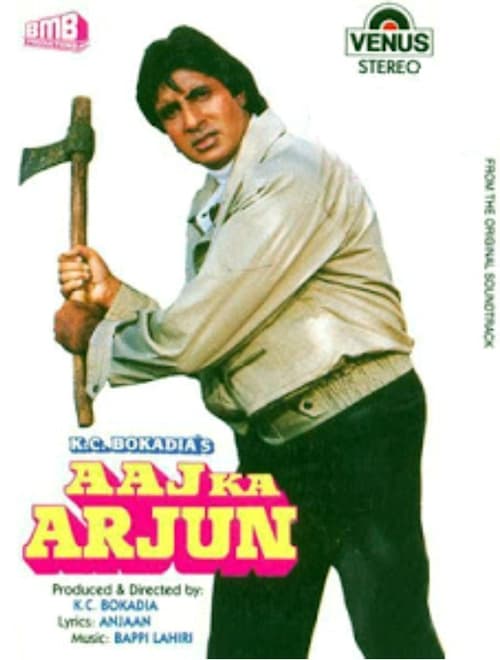
Aaj Ka Arjun
1990
No user ratings available yet
Representation score: 2.7 out of 10
Representation Score
Limited
1991
Director
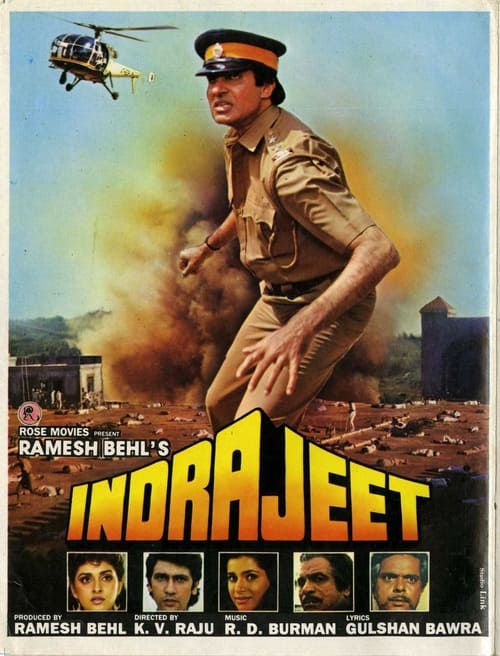
K V Raju
Average Rating
No ratings yetNew Showbiz Analysis
Indrajeet is a work of social realist cinema that challenges traditional hierarchies by critiquing the intersection of wealth and institutional corruption. It uses a sophisticated narrative to show how systemic structures protect the elite while marginalizing the working class. The film gains strength from its cultural specificity and its deconstruction of established authority. By portraying the failure of legal institutions, it justifies the protagonist's shift toward personal justice as a response to systemic collapse. However, the film's impact is limited by a lack of representation for LGBTQ+ identities and disabilities. Gender roles are largely reactionary and centered on a patriarchal storyline.
Category Breakdown
The film does not include any LGBTQ+ characters or narratives. The social structure remains traditional without any queer themes or disruptions to the assumption that everyone is straight.
The story follows a male protagonist and a patriarchal storyline. Women like Shanti and Neelu play important emotional roles, but their influence is often a reaction to male-driven events.
The film provides a non-Western perspective focusing on South Indian culture and regional social dynamics. It addresses the ongoing effects of historical colonization and socioeconomic hierarchies in rural India.
The story effectively critiques institutional corruption and capitalist exploitation. It portrays the struggle of the working class against systemic oppression and feudalistic power structures.
There are no prominent depictions of visible or invisible disabilities that serve as central narrative drivers within the story.
Present on Screen
Limited or Absent
Official Synopsis
In order to continue suppressing the workers in his company; multi-millionaire, Din Dayal gets a union leader and his wife murdered. When inspector Indrajeet attempts to arrest Dayal his daughter, Shanti intervenes. This angers Indrajeet whose beloved is also Shanti and he decides to cut all connections from her. Indrajeet adopts the daughter, Neelu of the diseased union leader and years later after his retirement from police service attempts to bring her up. Indrajeet gets Neelu marry to Vijay but calamity destructs the couple when they are killed by a group of young boys. Indrajeet lodges a complaint with the police but instead of arresting the assailants the police commissioner closes the case forcing Indrajeet to take the law into his hands.
1990

1982
1991
1993
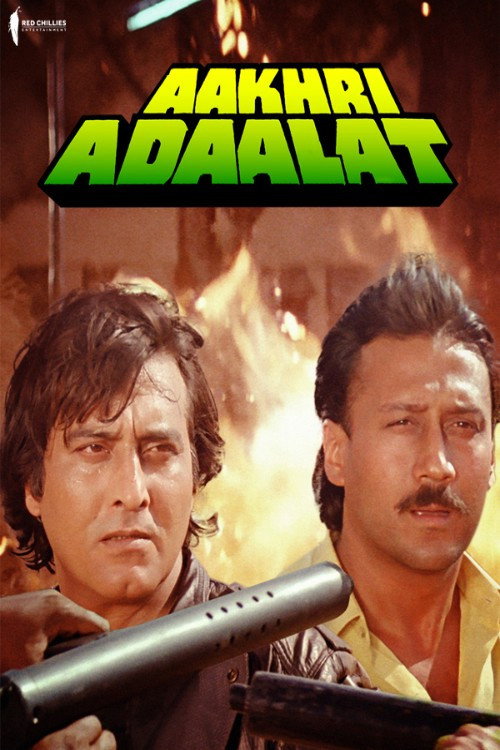
1988

1988
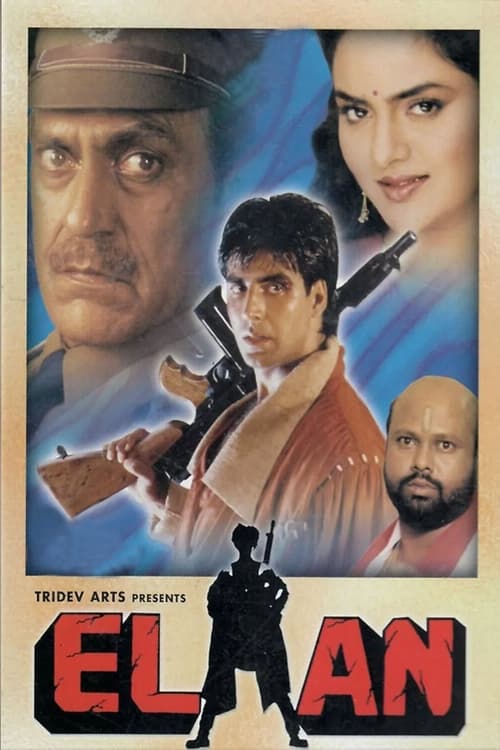
1994

1995
No reviews yet. Be the first to share your thoughts on this movie!
Use the rating form above to leave a star rating and optional review.