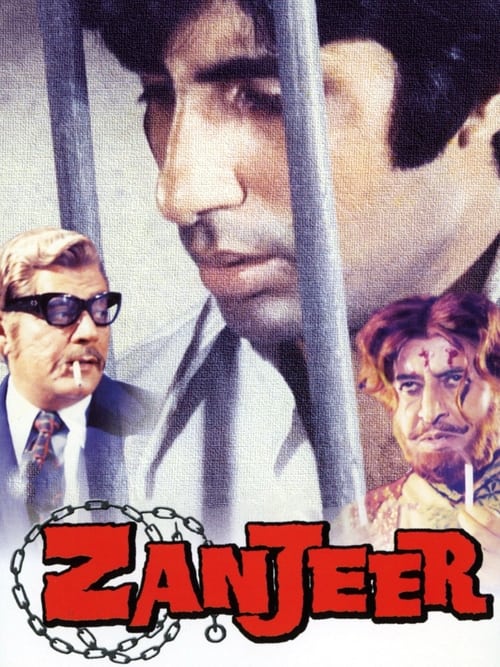
Zanjeer
1973
No user ratings available yet
Representation score: 3.5 out of 10

Representation Score
Fair
1988
Director
Tinnu Anand
Runtime
180 minutes
Average Rating
No ratings yetNew Showbiz Analysis
Shahenshah is a classic 1980s action film that prioritizes a critique of systemic corruption over modern diversity. Its narrative strength lies in its deconstruction of institutional authority, positioning a vigilante as a necessary moral force. While the film excels in cultural authenticity and social commentary regarding power dynamics, it remains limited by the era's genre conventions. It relies heavily on hyper-masculine archetypes and traditional domestic roles for women. Ultimately, the film serves as a study of moral relativism. It challenges the sanctity of the state by portraying the legal system as broken, though it offers little representation for underrepresented identities.
Category Breakdown
The film does not include any LGBTQ+ characters or non-cisgender identities. It focuses on traditional heterosexual relationships.
The movie reinforces traditional gender roles and a patriarchal structure. Female characters mainly serve in domestic or supportive roles rather than driving the plot.
The cast is predominantly South Asian, reflecting the specific cultural context of Mumbai. It avoids whitewashing and presents a realistic social hierarchy.
The film critiques corrupt Western-style legal institutions, presenting vigilantism as a heroic act. It explores the moral necessity of breaking laws when systems fail the people.
There is no nuanced portrayal of physical or neurodivergent disabilities. Vulnerable characters appear mostly as victims of crime rather than individuals with independent ability to act.
Present on Screen
Limited or Absent
Official Synopsis
Inspector Srivastav is framed by a wily and cunning gangster, J.K., and unable to prove his innocence, hangs himself, leaving behind his wife, and son, Vijay. Years later, Vijay has grown up and has joined the police force as an Inspector. Unlike his dad, he is corrupt and does accept bribes to turn a nelson's eye to crime. The City Police are assigned the task of apprehending a customed man called "Shahenshah", who operates at night and targets, tries and kills gangsters in a "Judge and Executioner "style. No one knows the real identity of Shahenshah, as he is feared by the police department, and respected by the poor and middle-class.
1973
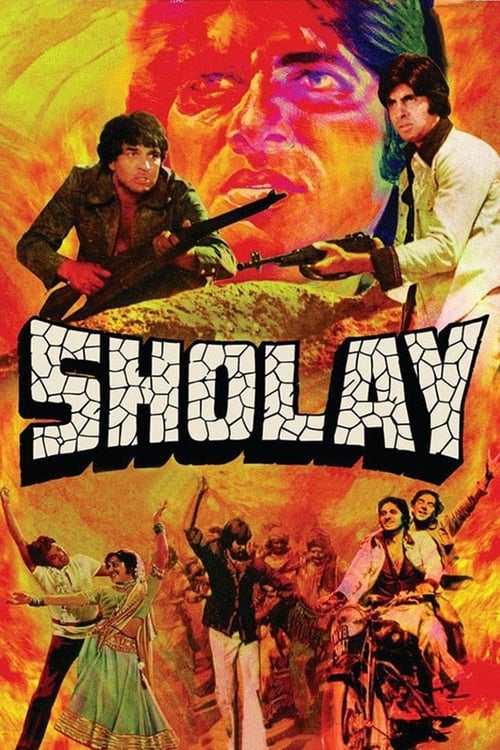
1975
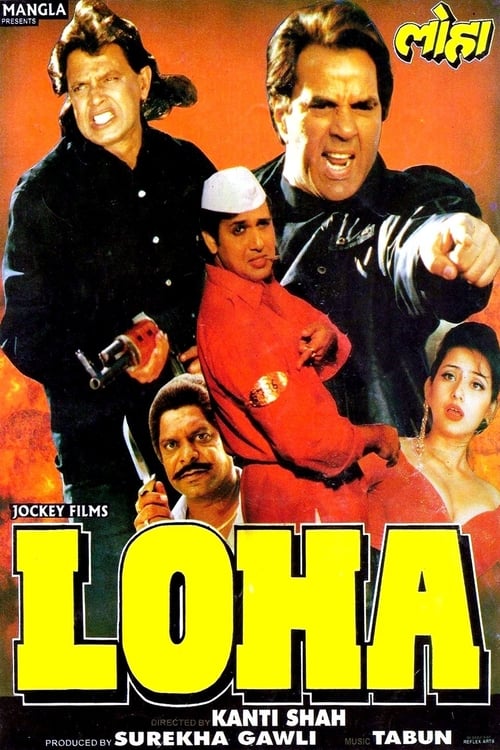
1997
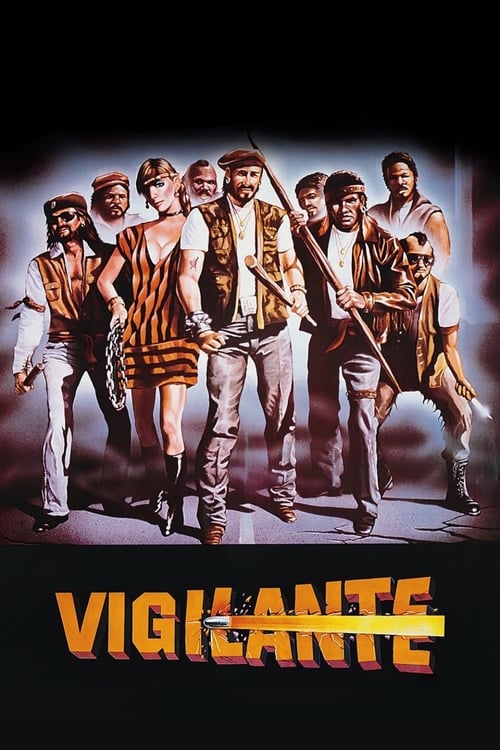
1983
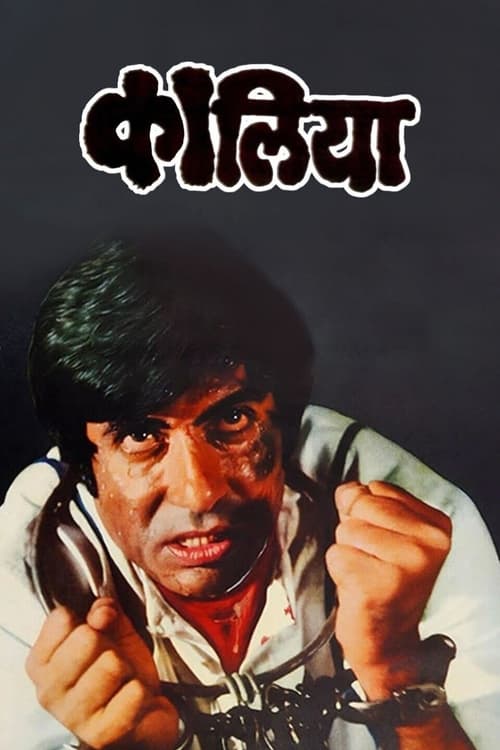
1981
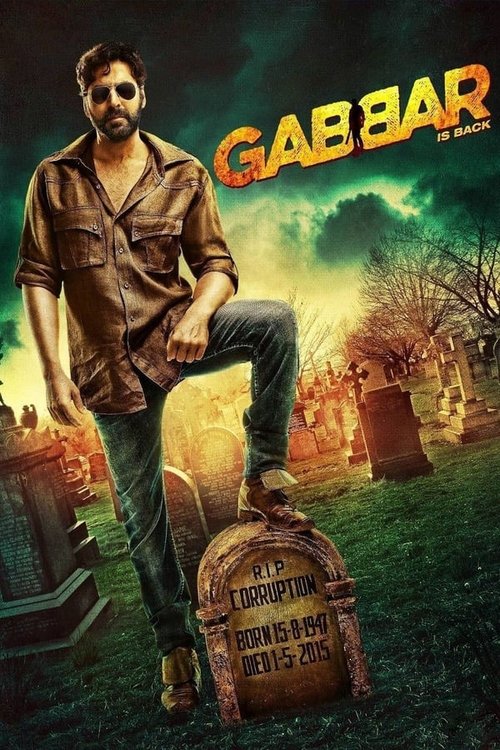
2015
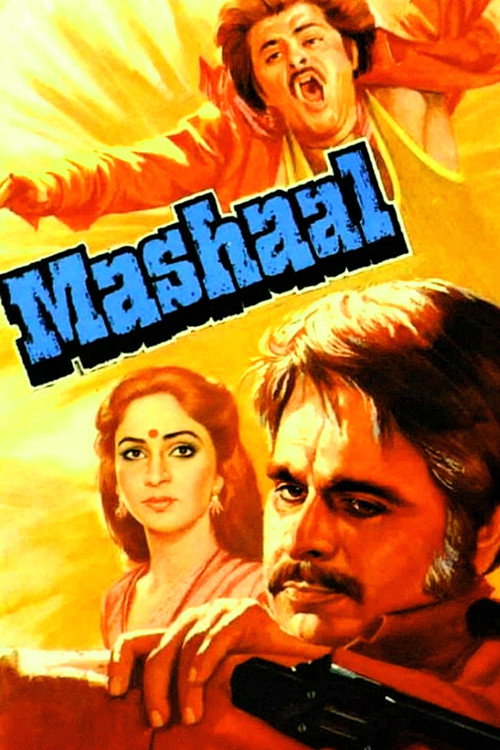
1984
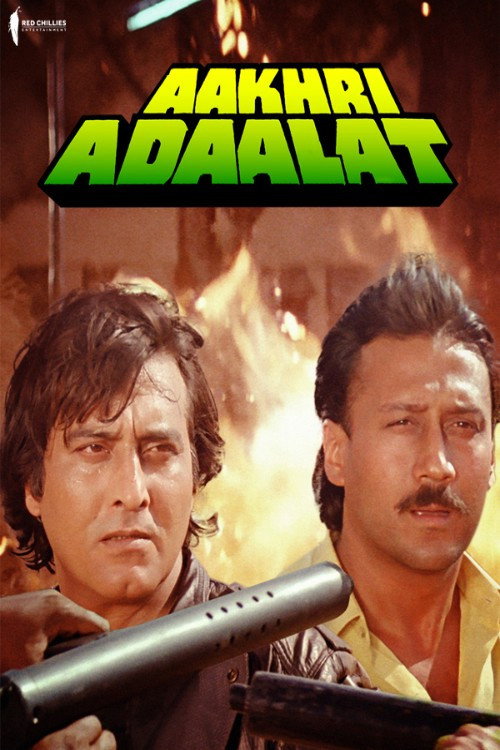
1988
No reviews yet. Be the first to share your thoughts on this movie!
Use the rating form above to leave a star rating and optional review.