
Krantiveer
1994
No user ratings available yet
Representation score: 4.4 out of 10
Representation Score
Fair
1988
Director
Rajiv Mehra
Runtime
148 minutes
Average Rating
No ratings yetNew Showbiz Analysis
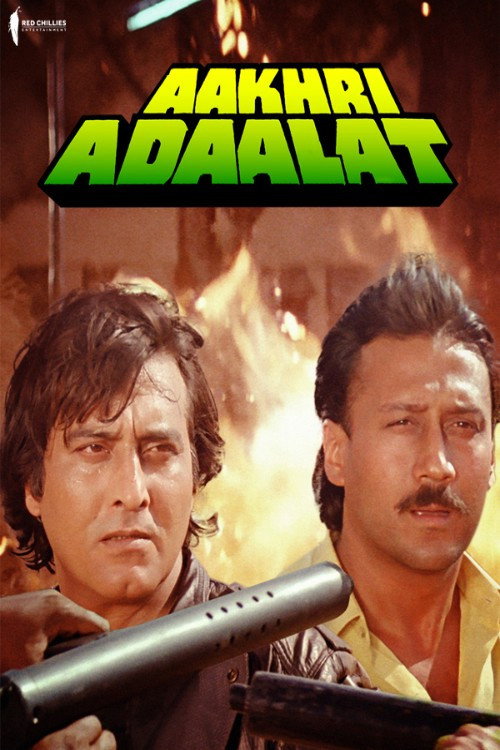
Aakhri Adaalat fits within the 1980s action-drama genre, focusing on the struggle of an individual against a broken bureaucracy. It uses the 'angry man' cliché to criticize systemic flaws but does so through a limited, traditional perspective. The story lacks depth in exploring various identities and focuses mainly on a masculine journey of taking justice into one's own hands. While it questions institutional failures, it misses opportunities to include diverse identities, gender roles, and disability. Overall, the film sticks to the established conventions of its time, providing a culturally specific but socially conventional viewing experience.
Category Breakdown
The film adheres to the social norms of its era, showing no evidence of non-straight relationships or gender identities that don't match birth-assigned genders.
The male protagonist, Inspector Amar Kaushal, holds the central role. Women in the film have little influence over the main plot.
The cast reflects a single cultural background, even though it avoids casting actors from different cultures. However, it doesn't blend diverse identities like more progressive films do.
The story looks at conflicts between official religious practices and personal ethics. It shows the legal system as flawed but resolves issues through traditional methods.
The film does not address neurodivergence or physical disabilities. Characters do not represent these conditions in their stories.
Present on Screen
Limited or Absent
Official Synopsis
Inspector Amar Kaushal attempts to incarcerate wrong-doers in his society only lead to frustration when they are let off by the incompetence of the law and his superiors and seniors. Eventually Amar stands accused of killing several criminals and innocents which prompts him to take law into his own hands.
1994

2015
1992
1993

1990
1991
1994

1995
No reviews yet. Be the first to share your thoughts on this movie!
Use the rating form above to leave a star rating and optional review.