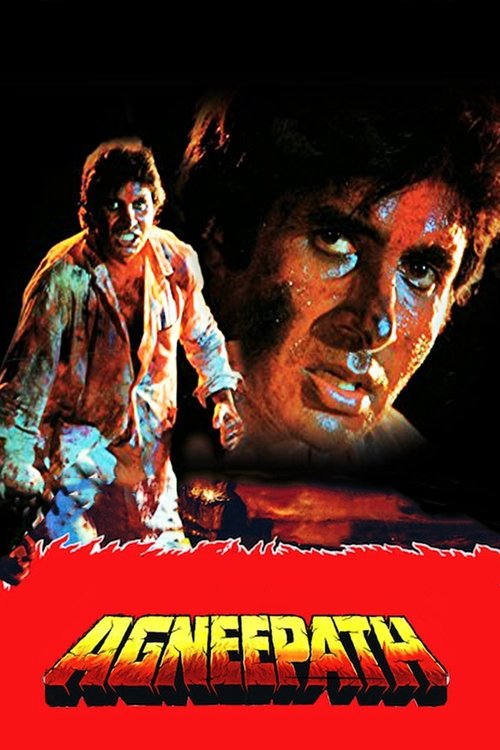
Agneepath
1990
No user ratings available yet
Representation score: 4.2 out of 10
Representation Score
Minimal
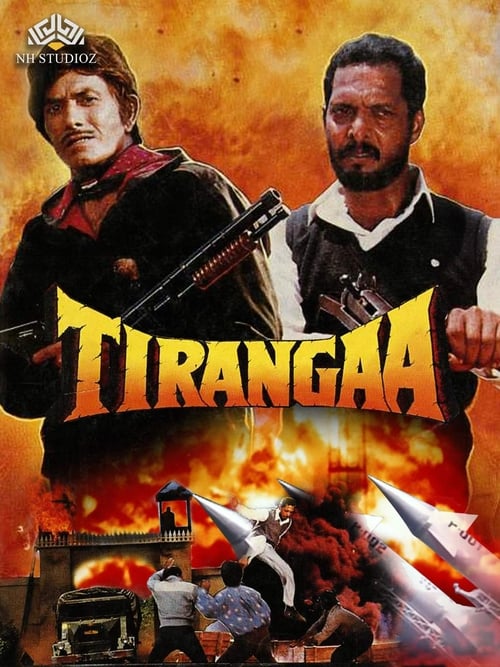
1993
Not RatedDirector
Mehul Kumar
Runtime
168 minutes
Average Rating
No ratings yetNew Showbiz Analysis
Tirangaa exemplifies traditionalist commercial cinema that prioritizes nationalistic themes and patriarchal heroism. The film's structure is designed to reinforce established social and state hierarchies rather than challenge them. The narrative centers on military duty and the clear moral distinction between state defenders and lawless elements. While it offers a cohesive cultural experience, it lacks multi-layered complexity. Ultimately, the film operates within a conservative framework, offering limited opportunities to subvert traditional clichés or include diverse identities.
Category Breakdown
The film does not include any LGBTQ+ characters or explore non-straight identities. It follows the conventional social norms typical of early 1990s commercial cinema.
The story is driven by male characters who make key decisions and act as protectors. Female characters primarily provide emotional support, reinforcing traditional patriarchal hierarchies.
The cast is mainly South Asian, emphasizing the film's focus on Indian national identity. It maintains a cohesive cultural representation without actively seeking a multicultural cast.
This film strongly emphasizes patriotism, promoting the sanctity of the Indian Army and state institutions. It upholds a singular, cohesive sense of national duty and authority.
There is no representation of physical or neurodivergent disabilities. Characters are defined by the physical abilities needed for high-octane action roles.
Present on Screen
Limited or Absent
Official Synopsis
After having witnessed the gruesome murder of his father, Harish's plans for revenge go for a toss when he is framed by the same mafia boss who killed his father.
1990

2012
1994

2014
1994
1982

2004
1984
No reviews yet. Be the first to share your thoughts on this movie!
Use the rating form above to leave a star rating and optional review.