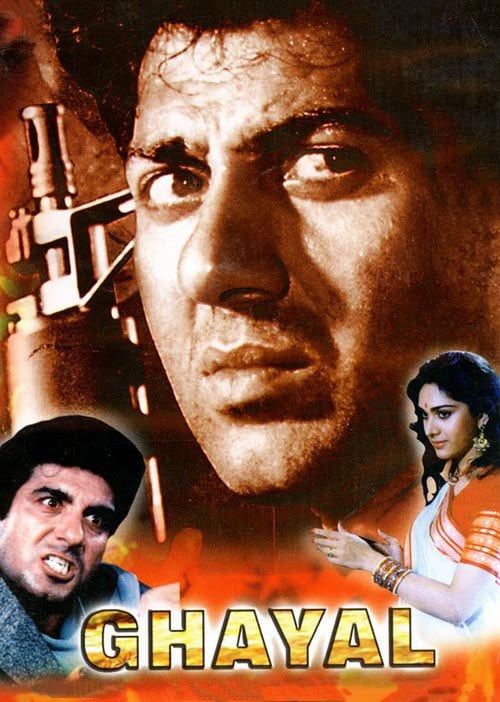
Ghayal
1990
No user ratings available yet
Representation score: 2.4 out of 10
Representation Score
Limited
1991
Not RatedDirector
N. Chandra
Runtime
186 minutes
Average Rating
No ratings yetNew Showbiz Analysis
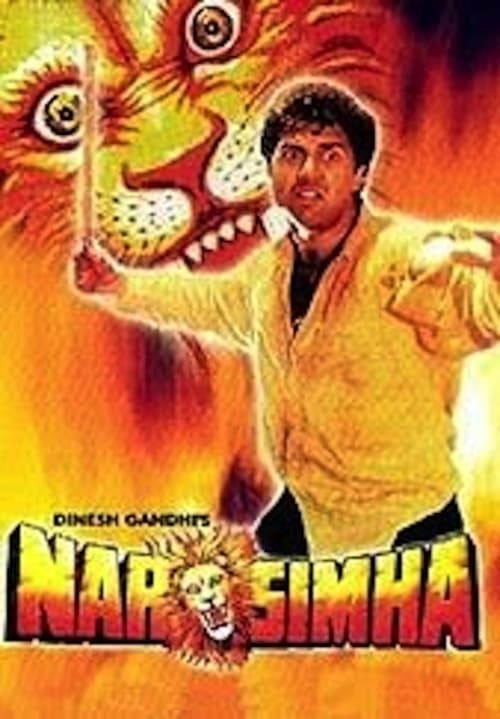
Narsimha is a culturally grounded action drama that excels in ethnic authenticity. By featuring a predominantly South Asian cast, it avoids whitewashing and maintains a strong sense of place. However, the film is structurally conservative. Women are given secondary roles, and there is no representation of LGBTQ+ or disability issues. While the film provides a meaningful critique of systemic corruption, its narrow focus on traditional gender roles and straight-centered clichés limits its depth.
Category Breakdown
The film does not include any LGBTQ+ characters or narratives. Romantic storylines focus solely on heterosexual relationships.
Narsimha is the main driver of the plot as the primary agent of change. Female characters primarily serve as motivators for family or romantic interests in need of protection.
The cast is mainly composed of South Asians, ensuring authentic ethnic representation. The film focuses on the local experience without whitewashing.
The story critiques local corruption through individual heroism. Traditional values such as family loyalty and honor are emphasized.
There is no representation of physical, sensory, or neurodivergent disabilities within the main cast or character arcs.
Present on Screen
Limited or Absent
Official Synopsis
Narsimha a young and captive man lives a middle-class life with his family in a quiet neighbourhood. He gets his beautiful sister to marry an eligible young man in their vicinity. On the occasion of his sister giving birth, he returns home to find that conflict arise between his neighbourhood and another neighbourhood where he seek refuge in a dwelling area nearby only to return and find out that his whole family has been murder. Without no aim left in life, Narasimha decided to turn to crime and alcohol. He later decided to work for a man-call Suraj Narayan Singh. But when Suraj asks him to kill Ravi Rastogi for falling in love with his daughter, Meenu. Narasimha refuses, and on the contrary joins forces with Ravi, his sister, Anita, to force Suraj to get the young couple married. This kind of conflict escalates to such proportions that Suraj finally gets arrested and lodged in a cell.
1990
1975
1993
2012
1987
1981
1988
1985
No reviews yet. Be the first to share your thoughts on this movie!
Use the rating form above to leave a star rating and optional review.