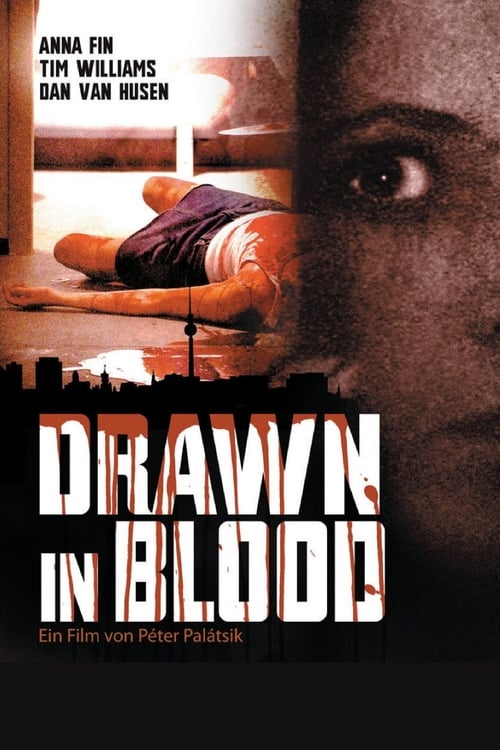
Drawn in Blood
2006
No user ratings available yet
Representation score: 2.7 out of 10

Representation Score
Fair
2000
Not RatedDirector
Claude Chabrol
Runtime
101 minutes
Average Rating
No ratings yetNew Showbiz Analysis
Claude Chabrol’s film is a psychological study of class and the fragility of the nuclear family. It prioritizes the tension between inherited wealth and biological truth over demographic variety. The work succeeds in challenging traditional social structures, using the arrival of a stranger to destabilize the bourgeois order. However, this focus comes at the expense of broader representation. While the film offers a nuanced look at power and legitimacy, it remains a localized study of a specific European elite, lacking significant representation of queer or diverse racial identities.
Category Breakdown
The film does not explicitly feature LGBTQ+ identities or non-cisgender expressions. It centers on a traditional, fractured family structure.
Mika challenges conventional hierarchies by wielding significant influence and economic power as an heiress. The narrative complicates patriarchal dynamics by showing the husband's domestic stability as fragile.
The story focuses on a homogeneous white cast within the Swiss and French upper classes. It lacks racial or ethnic diversity, emphasizing internal socio-economic dynamics.
The film deconstructs Western institutions by portraying the ideal family as unstable and secretive. It provides a sophisticated critique of the bourgeois lifestyle and inherited status.
There are no prominent depictions of physical or neurodivergent disabilities that drive the narrative or serve as central character arcs.
Present on Screen
Limited or Absent
Official Synopsis
Mika, heiress to a Swiss chocolate company, is married to celebrated pianist André and stepmother to his son, Guillaume, whose mother died in a car wreck on his tenth birthday. Their lives are interrupted by the unexpected arrival of Jeanne, a young woman who has learned she was almost switched with Guillaume at birth.
2006

1983
1995

1994

2013

2001

2015

2002
No reviews yet. Be the first to share your thoughts on this movie!
Use the rating form above to leave a star rating and optional review.