
Murder 3
2013
No user ratings available yet
Representation score: 4.6 out of 10
Representation Score
Fair
2013
Director
Jean-Marie Larrieu, Arnaud Larrieu
Runtime
110 minutes
Average Rating
No ratings yetNew Showbiz Analysis
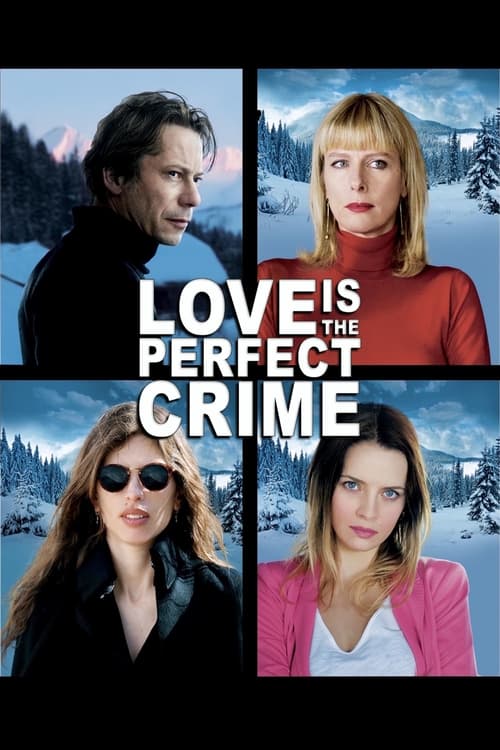
Love Is the Perfect Crime functions as a psychological deconstruction of authority rather than a diverse social tapestry. The Larrieu brothers prioritize unconventional social structures and fractured interpersonal dynamics over broad demographic representation. While the film challenges the 'stable male leader' cliché by presenting a flawed, unstable professor, it remains limited by a homogeneous cast. The narrative's focus on Eurocentric settings and straight-centered relationship structures results in a lack of multi-layered breadth. Ultimately, the film's strength lies in its critique of institutional morality, though it offers little in the way of racial, queer, or disability-related visibility.
Category Breakdown
The film does not explicitly depict LGBTQ+ identities. The narrative centers on the protagonist's affairs with female students, adhering to a straight-centered framework.
The story disrupts traditional hierarchies by presenting a male protagonist whose authority is undermined by personal instability. ability to act is shifted toward female characters like Anna and the missing Barbara.
The setting in Lausanne suggests a predominantly Eurocentric cast. There is a notable lack of visible racial or ethnic diversity within the social environment.
The film critiques institutional ethics and Western social norms through themes of moral relativism. It explores the breakdown of traditional social contracts and academic hierarchies.
There is no evidence regarding the portrayal of physical or neurodivergent disabilities in this narrative.
Present on Screen
Limited or Absent
Official Synopsis
Marc, in his 40s, is a professor of literature at the University of Lausanne. Still a bachelor — and still living with his sister Marianne in a huge, isolated chalet that they inherited when they were very young — he carries on one love affair after another with his students. Winter has almost ended when one of his most brilliant students, Barbara, suddenly disappears. Two days later, Marc meets Barbara’s mother, Anna, who wants to find out more about her vanished daughter.
2013

2019

2002
2014

2015

2015

2019
2000
No reviews yet. Be the first to share your thoughts on this movie!
Use the rating form above to leave a star rating and optional review.