
Nightcap
2000
No user ratings available yet
Representation score: 4.5 out of 10
Representation Score
Good
1995
Not RatedDirector
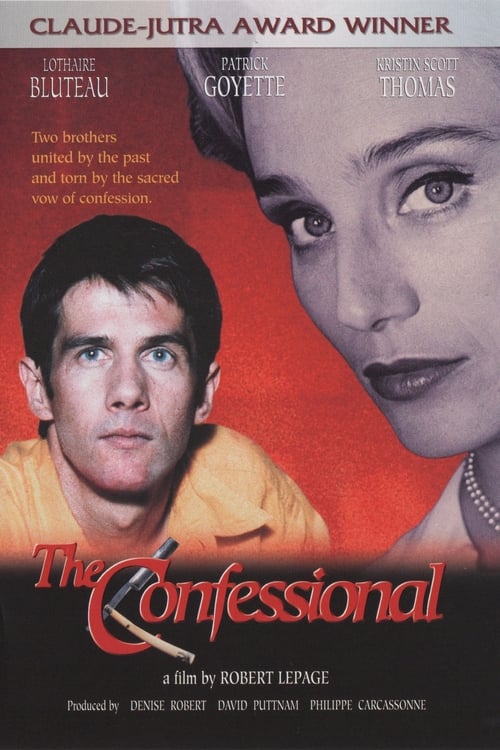
Robert Lepage
Runtime
100 minutes
Average Rating
No ratings yetNew Showbiz Analysis
The Confessional is a sophisticated deconstruction of institutional power, using a dual-timeline structure to challenge traditional religious and social hierarchies. It emphasizes psychological complexity over simplistic moral choices. The film excels in its examination of repressed queer identity and its critique of institutional oppression. By questioning the stability of the priesthood, it provides a progressive perspective on how institutions suppress individual truths. However, the historical setting limits racial diversity, focusing solely on the cultural dynamics of the Quebecois community. This creates a narrow, yet deeply focused, social landscape.
Category Breakdown
The film focuses on a protagonist dealing with homosexual desires within the priesthood. This exploration of repressed feelings drives the character's psychological struggles.
The clergy creates a male-dominated environment, but female characters play crucial roles in advancing the central mystery. The narrative highlights the tension between women's experiences and the restrictive hierarchy.
The cast is predominantly white, reflecting the French-Canadian setting of the 1930s to 1950s. This lack of diverse racial representation leads to a lower score in this category.
The film portrays the Catholic Church as an oppressive institution that restricts personal freedom. It presents the truth of confession as conflicting with institutional dogma.
The story centers on spiritual and identity-based crises rather than physical or cognitive disabilities. There are no explicit portrayals of disabilities that drive the narrative.
Present on Screen
Limited or Absent
Official Synopsis
Pierre Lamontagne has returned to Quebec to attend his father's funeral. He meets up with his adopted brother, Marc, who has begun questioning his identity and has embarked on a quest for his roots that would lead them to the Quebec of the 1950s. Past and present converge in a complex web of intrigue where the answer to the mystery lies.
2000

1955
2012

1983

2026

2005
2015
2017
No reviews yet. Be the first to share your thoughts on this movie!
Use the rating form above to leave a star rating and optional review.