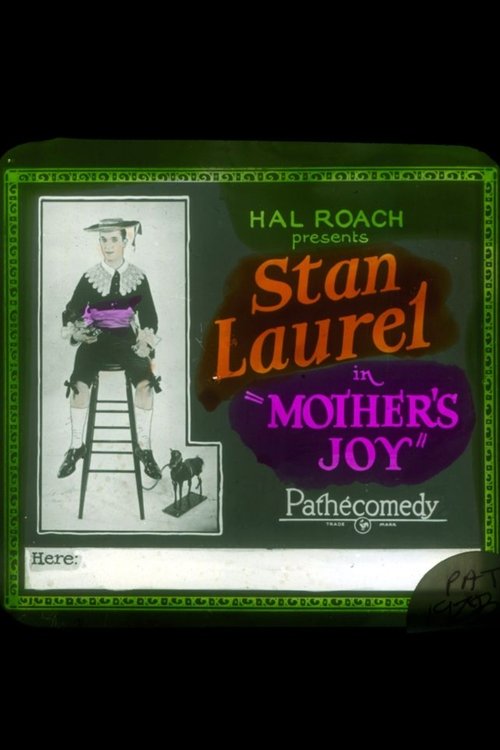
Mother's Joy
1923
No user ratings available yet
Representation score: 3.2 out of 10
Representation Score
Limited
1923
Director
George Jeske
Runtime
11 minutes
Average Rating
No ratings yetNew Showbiz Analysis
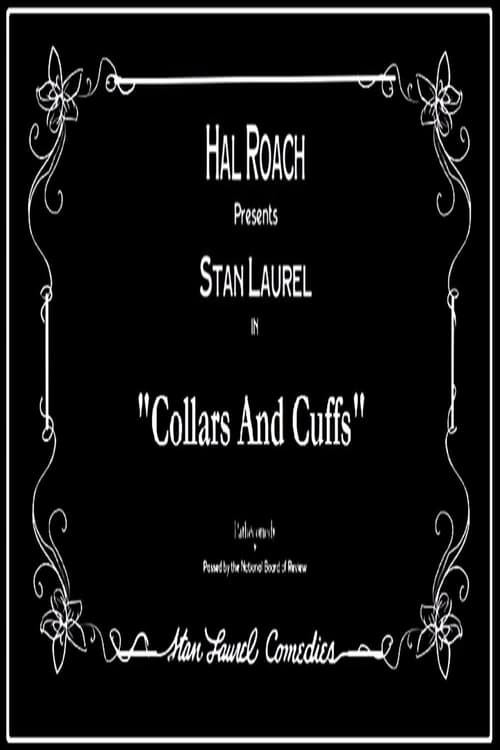
Collars and Cuffs is a product of the 1923 silent slapstick era, emphasizing physical humor over social commentary. The film follows the rigid structural conventions of early Hollywood, focusing on situational clichés rather than developing characters with multiple layers of identity. The lack of diversity reflects the period's cinematic limitations. The narrative structure upholds existing social hierarchies and traditional archetypes without challenging them. Ultimately, the film serves as a historical example of early 20th-century comedy, where humor is derived from physical movement and established social norms.
Category Breakdown
The film does not include any queer narratives or non-cisgender identities. It follows the traditional heterosexual romantic storylines typical of 1920s silent comedies.
Female characters probably serve as comedic foils or reinforce traditional domestic roles. The story structure rarely questions established gender hierarchies or challenges traditional masculinity.
The production reflects the era's preference for Anglo-centric stories and homogeneous casting. There is no evidence of diverse ensemble casts or characters reflecting multiple aspects of diversity.
The film aligns with the cultural norms and social order of the 1920s. It does not show any anti-Western or secularist sentiments.
Physical quirks are likely used as visual jokes or comedic devices. The film treats physical struggles as a source of humor rather than a realistic portrayal of disability.
Present on Screen
Limited or Absent
Official Synopsis
Collars and Cuffs is a 1923 silent comedy film starring Stan Laurel.
1923
1926
1927
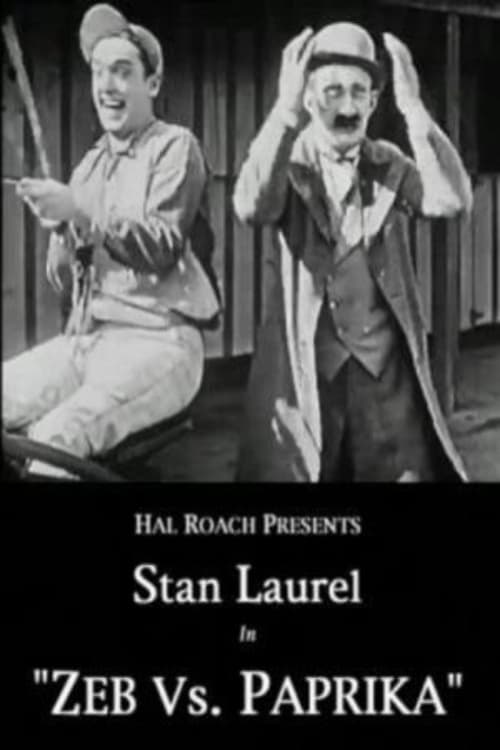
1924
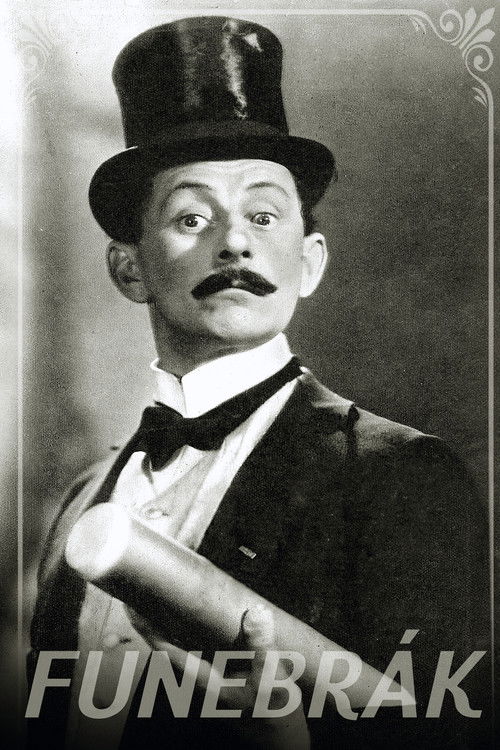
1932

1929
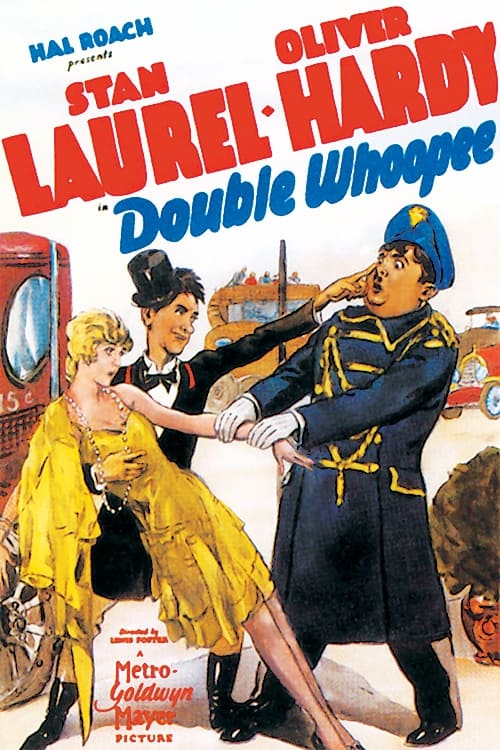
1929
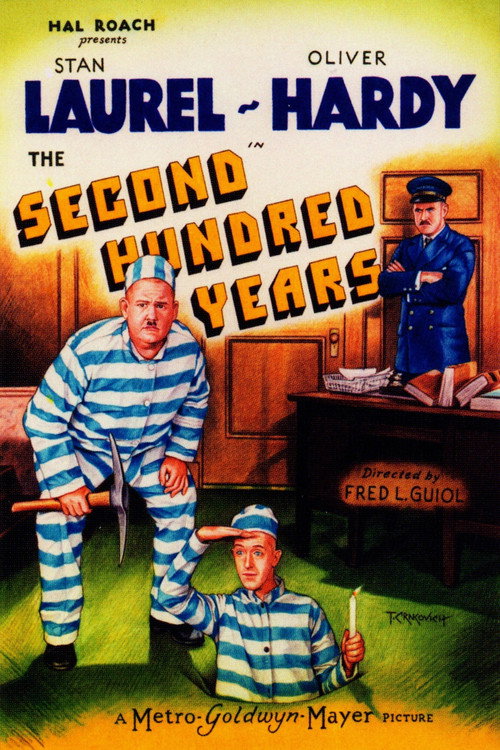
1927
No reviews yet. Be the first to share your thoughts on this movie!
Use the rating form above to leave a star rating and optional review.