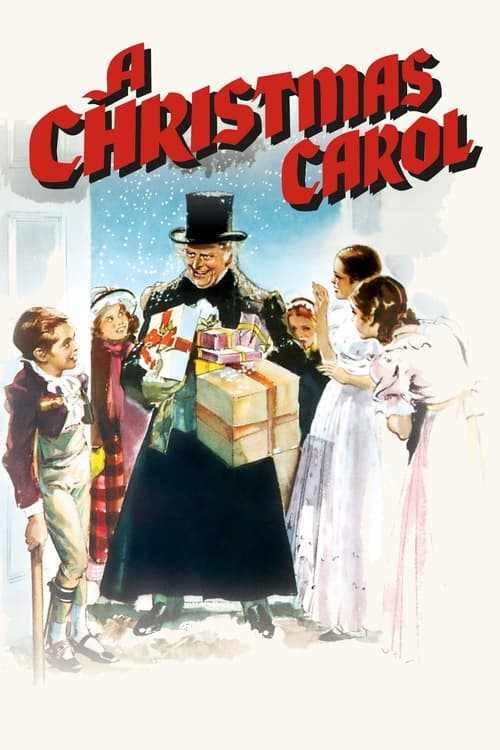
A Christmas Carol
1938
No user ratings available yet
Representation score: 2.2 out of 10
Representation Score
Limited
1970
GDirector
Ronald Neame
Runtime
114 minutes
Average Rating
No ratings yetNew Showbiz Analysis
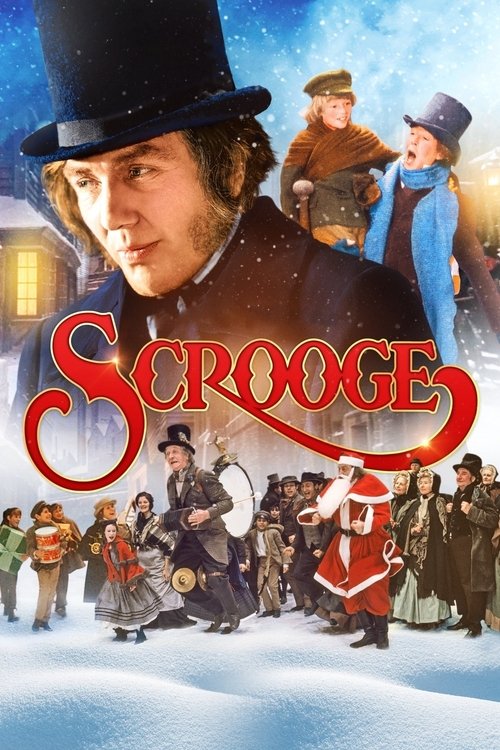
Scrooge (1970) is a traditional period piece that emphasizes the Victorian era's sensibilities. It centers on individual moral redemption and social duty rather than challenging established power structures or diverse identities. The film's strengths include its critique of greed and the dehumanizing effects of unregulated capitalism, and its use of character-driven emotional stakes to explore themes of empathy and social responsibility. However, these elements are presented within a narrow, traditionalist framework. Overall, the production lacks diversity in casting and narrative structure, reinforcing historical hierarchies rather than dismantling them.
Category Breakdown
The film adheres to the assumptions typical of the Victorian era, where everyone is assumed to be straight or cisgender. There is no indication of queer subtext or diverse sexual identities among the characters.
Women in the film are primarily portrayed in domestic or supportive roles. Belle serves as a moral guide but her character is defined by her relationship to the male protagonist.
The cast is mostly uniform, reflecting the production era and historical context. The story lacks characters from non-Anglo-Saxon backgrounds in key roles.
The film criticizes unregulated capitalism through a personal moral lens, emphasizing traditional values such as charity and community responsibility.
Tiny Tim is a central emotional figure, but his portrayal may rely on a sentimental cliché that triggers the protagonist's empathy through his physical frailty.
Present on Screen
Limited or Absent
Official Synopsis
A musical adaptation of Charles Dickens' classic ghost tale starring Albert Finney.
1938

1984
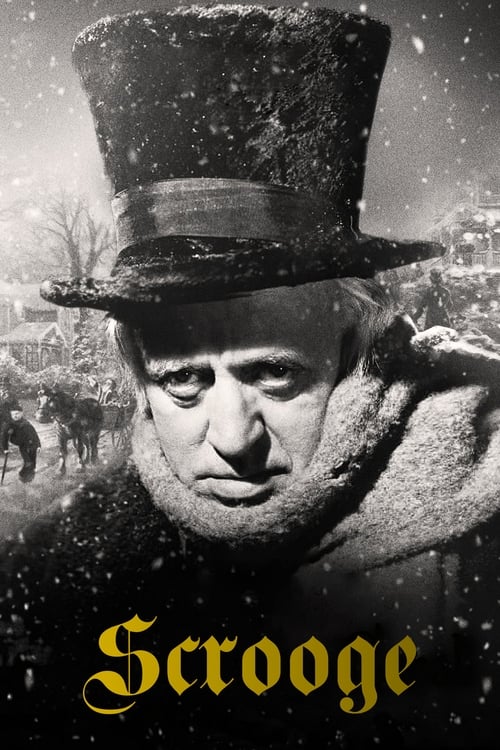
1951
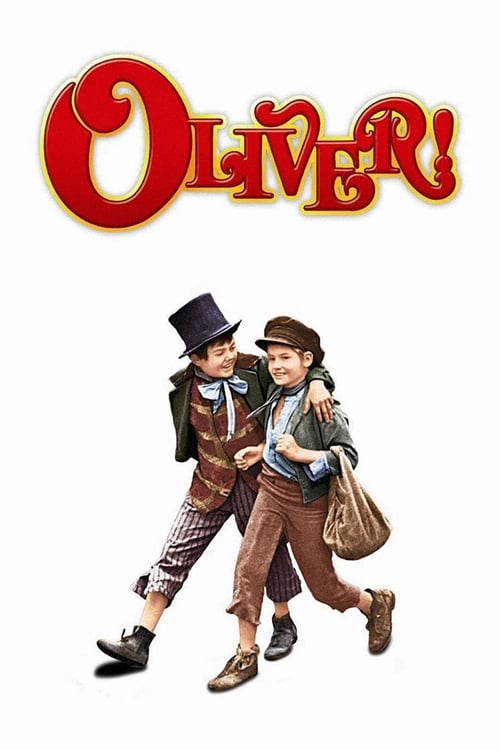
1968
1992

1999
1964

1985
No reviews yet. Be the first to share your thoughts on this movie!
Use the rating form above to leave a star rating and optional review.