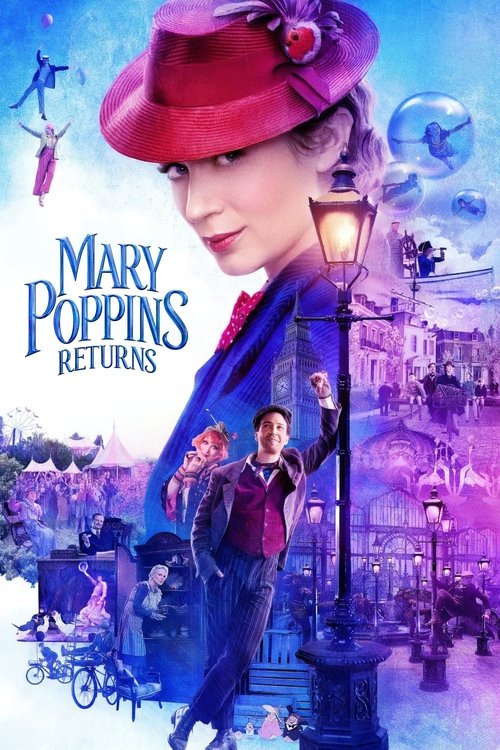
Mary Poppins Returns
2018
No user ratings available yet
Representation score: 7.6 out of 10
Representation Score
Limited
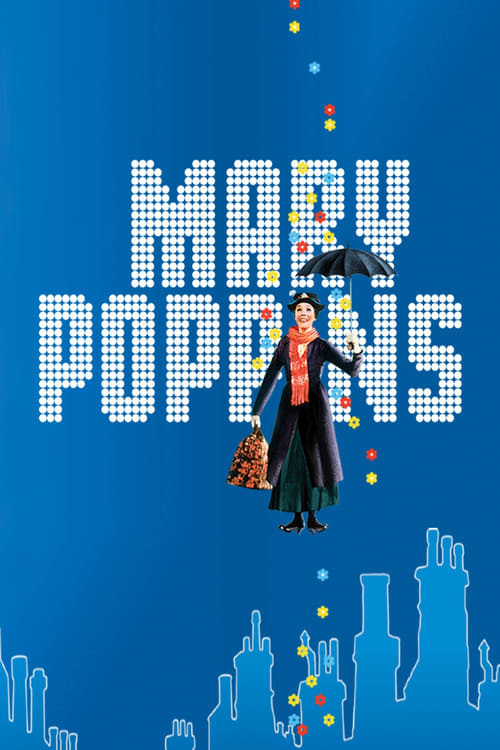
1964
GDirector
Robert Stevenson
Runtime
139 minutes
Average Rating
No ratings yetNew Showbiz Analysis
Mary Poppins is a nostalgic tale that emphasizes the stability of the traditional nuclear family. While it critiques the mechanical and rigid nature of Edwardian institutions, it does so within a highly conservative social framework. The film's strength lies in its challenge of the traditional submissive nanny role. Mary Poppins asserts her independence and autonomy, resisting subjugation by the male head of the household. This offers a nuanced perspective on personal empowerment. However, the work remains firmly rooted in the demographic and social contexts of its time. It lacks representation of LGBTQ+ identities, ethnic diversity, and disability, focusing primarily on an Anglo-centric narrative.
Category Breakdown
The film follows the strict heterosexual norms of the early 20th century. There are no depictions of non-straight or non-cisgender identities.
Mary Poppins challenges traditional gender roles by taking a leading, active role in the story. Despite the film's focus on a patriarchal family structure, she refuses to be a passive caretaker.
The cast mirrors the predominantly white and upper-middle-class demographics of Edwardian London. The production lacks intentional ethnic diversity.
The film criticizes impersonal Western institutions such as banks but ultimately upholds traditional Western values regarding family and social order.
There are no intentional portrayals of physical or neurodivergent disabilities. Characters exist within the context of able-bodied norms without specific narratives about mental health.
Present on Screen
Limited or Absent
Official Synopsis
In turn of the century London, a magical nanny employs music and adventure to help two neglected children become closer to their father.
2018
1960
2005
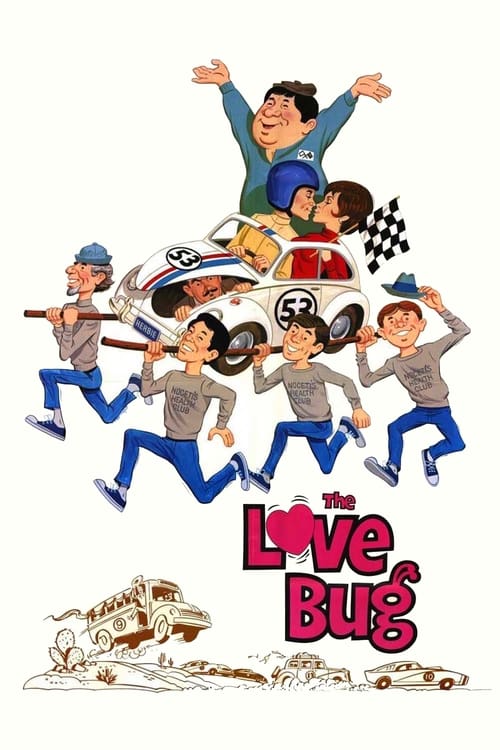
1968
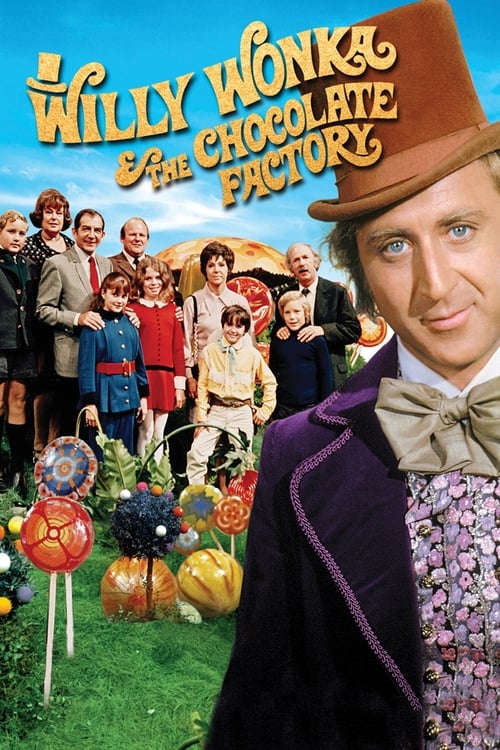
1971
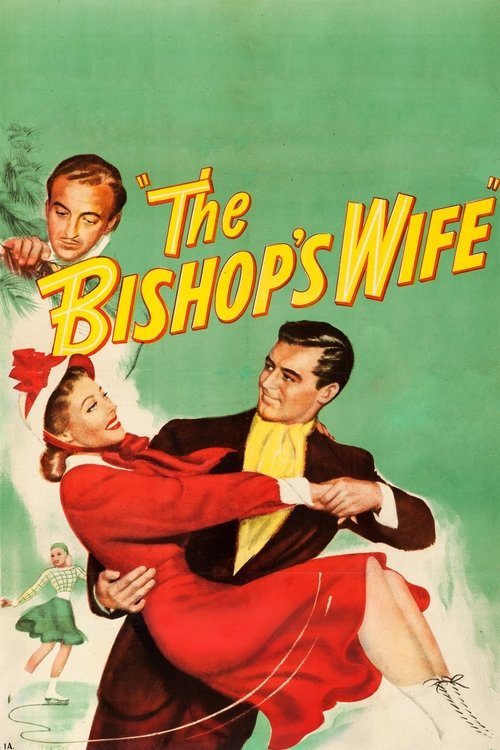
1947
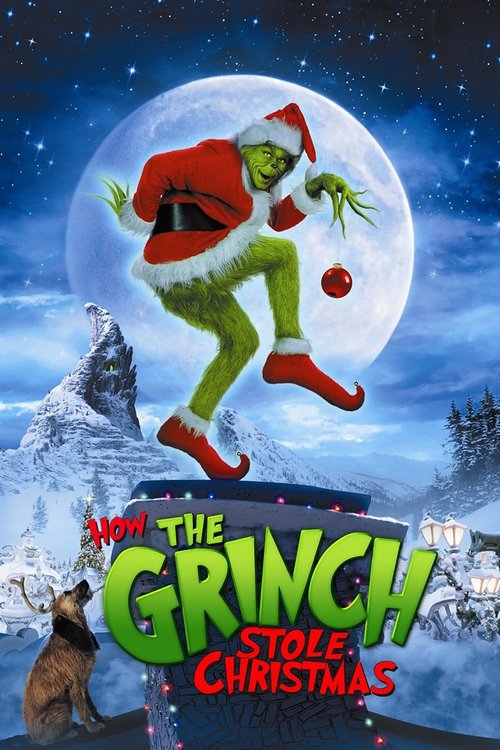
2000
1971
No reviews yet. Be the first to share your thoughts on this movie!
Use the rating form above to leave a star rating and optional review.