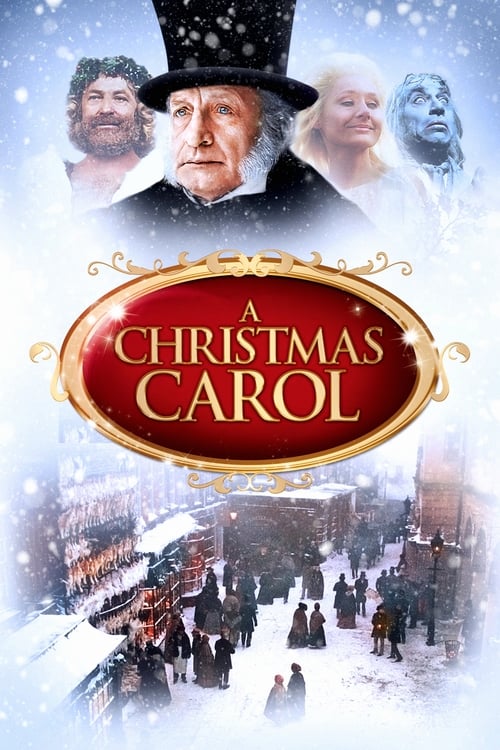
A Christmas Carol
1984
No user ratings available yet
Representation score: 2.6 out of 10
Representation Score
Limited
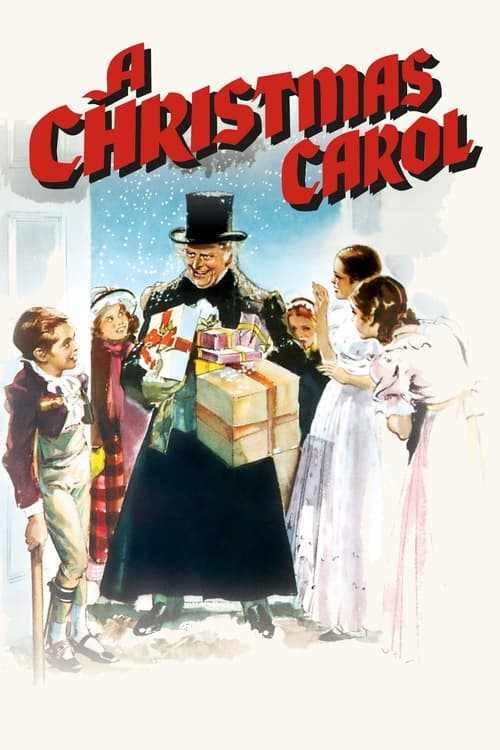
1938
NRDirector
Edwin L. Marin
Runtime
69 minutes
Average Rating
No ratings yetNew Showbiz Analysis
This 1938 production is a traditional moral fable that prioritizes classical storytelling and the preservation of established social hierarchies. It serves as a didactic tool for individual character reform rather than a vehicle for social change. The film's structure is deeply rooted in the conventions of its time, focusing on a male-centric psychological journey. While it touches on themes of poverty and social responsibility, it does so through a spiritual lens rather than a systemic one. Ultimately, the film reinforces traditional values and demographic homogeneity typical of late 1930s studio cinema, offering minimal disruption to conventional norms.
Category Breakdown
The film focuses on traditional romantic relationships and does not include any queer subtext or non-cisgender identities. It centers on the relationship between Scrooge and Belle.
The narrative emphasizes the male experience and Scrooge's psychological development. Female characters like Belle mainly serve as emotional anchors without independent roles.
The cast is predominantly white, reflecting the demographics of Victorian London. The film does not feature diverse casting.
The story critiques greed through the lens of individual spiritual redemption. It promotes a singular moral truth without addressing broader social or economic issues.
Tiny Tim's condition is used primarily as a plot device to evoke emotion and drive Scrooge's transformation. The film lacks a nuanced portrayal of disability.
Present on Screen
Limited or Absent
Official Synopsis
Miser Ebenezer Scrooge is awakened on Christmas Eve by spirits who reveal to him his own miserable existence, what opportunities he wasted in his youth, his current cruelties, and the dire fate that awaits him if he does not change his ways. Scrooge is faced with his own story of growing bitterness and meanness, and must decide what his own future will hold: death or redemption.
1984
1970

1999
1951
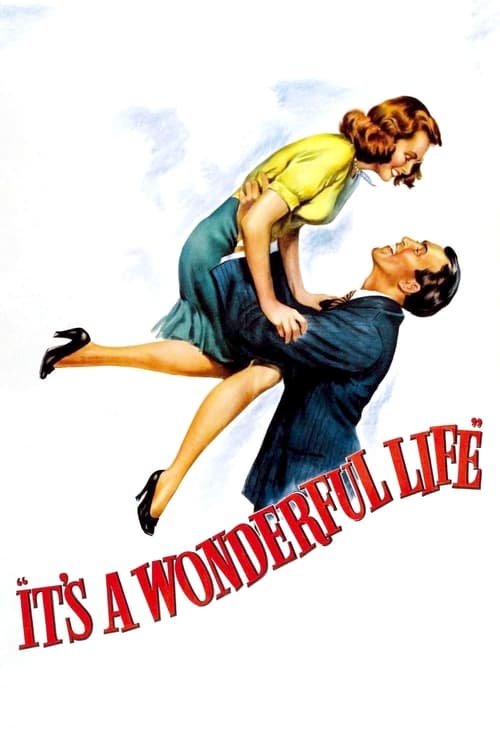
1946
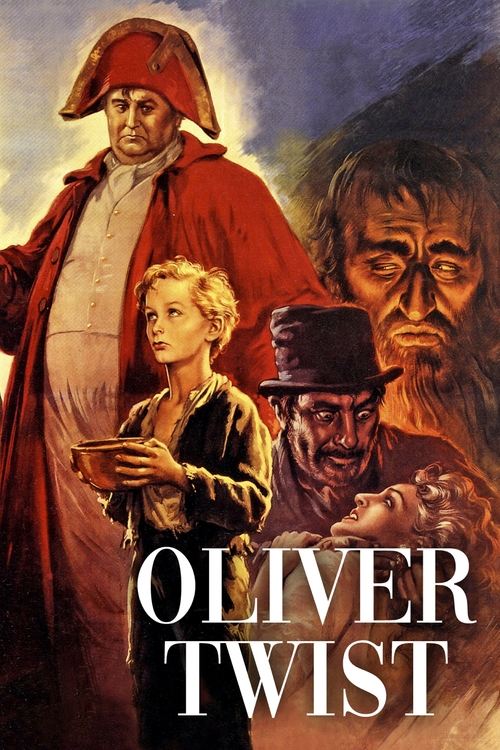
1948
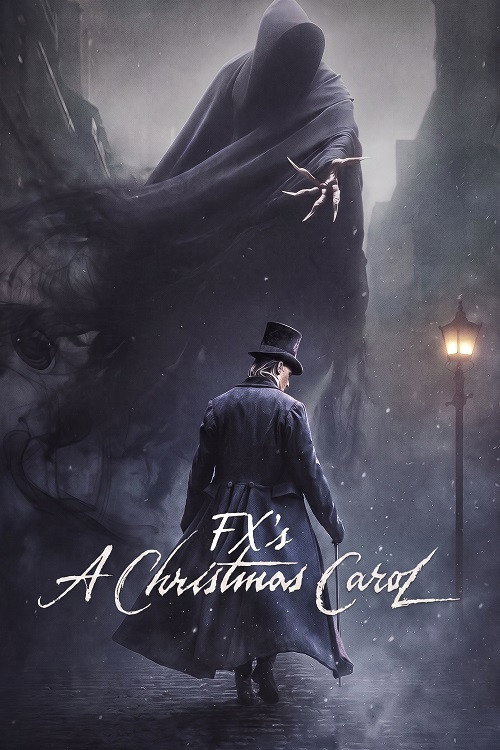
2019
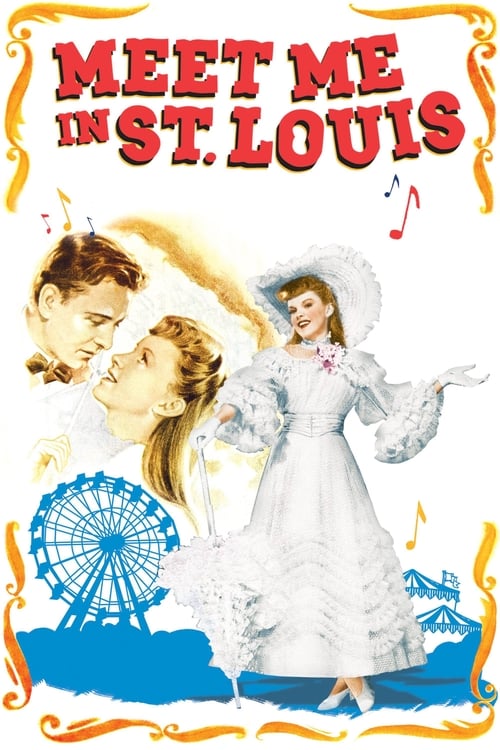
1944
No reviews yet. Be the first to share your thoughts on this movie!
Use the rating form above to leave a star rating and optional review.