
A Christmas Carol
1999
No user ratings available yet
Representation score: 2.3 out of 10
Representation Score
Good
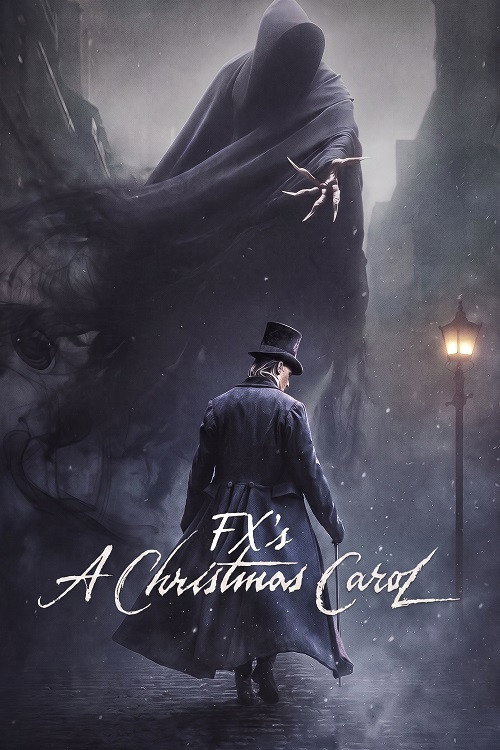
2019
TV-MADirector
Nick Murphy
Runtime
173 minutes
Average Rating
No ratings yetNew Showbiz Analysis
This adaptation uses its period setting to deliver a sophisticated critique of class and economic systems. It moves beyond the standard miser archetype to examine the tension between individual wealth and communal welfare. While the production succeeds in diversifying the historical ensemble and addressing systemic vulnerabilities, it remains tied to traditional gender and romantic structures. The representation of disability also leans on established clichés rather than providing deeper character development. Ultimately, the film's strength lies in its social commentary, though it lacks significant progress in LGBTQ+ or non-traditional gender representation.
Category Breakdown
The story focuses on traditional romantic relationships, such as the bond between Scrooge and Belle. There are no representations of non-straight or non-cisgender identities, and the narrative does not challenge assumptions about straight relationships.
The film reinforces traditional gender roles within its Victorian setting. Belle stays in the domestic sphere, while Scrooge embodies an isolated, transactional masculinity that the narrative criticizes for its lack of emotion.
Casting choices include a Black actor as Jacob Marley, which adds a more nuanced view of London’s historical complexity and moves beyond the usual Anglo-Saxon perspective.
The narrative uses an anti-capitalist framework to critique systemic inequality. It highlights the Cratchit family's struggles to emphasize communal empathy and social responsibility over individual wealth accumulation.
Tiny Tim serves as a focal point for the story's emotional stakes, but his portrayal relies on traditional clichés of physical frailty. He functions more as a catalyst for Scrooge’s change than an independent character.
Present on Screen
Limited or Absent
Official Synopsis
London, 1843. Ebenezer Scrooge, a bitter old man, despises the Christmas holiday. Over the course of Christmas Eve night he is visited by three ghosts to show him his past, present and future.
1999
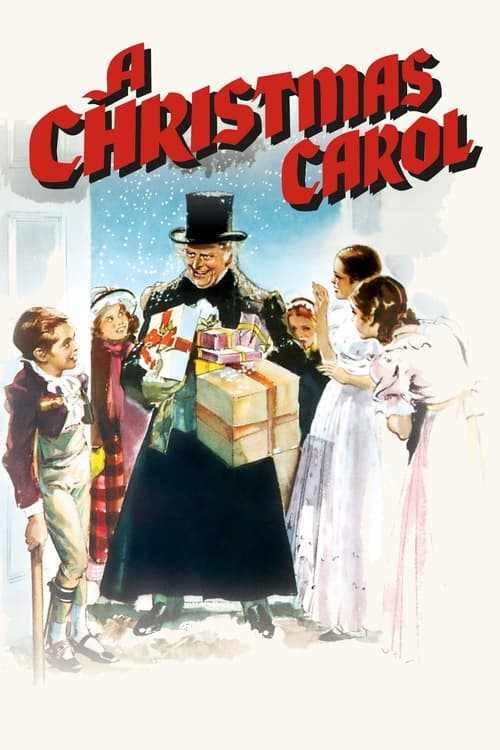
1938
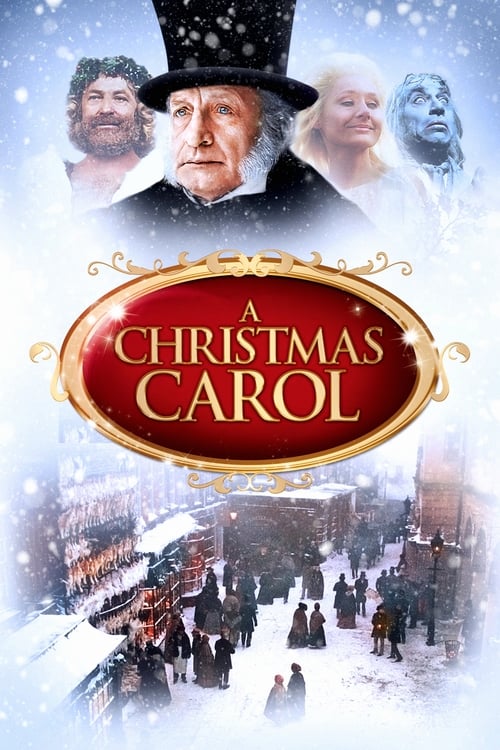
1984
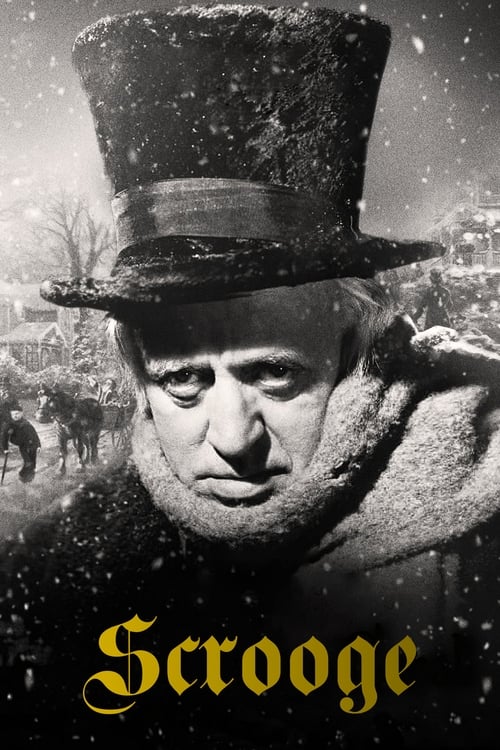
1951

2012
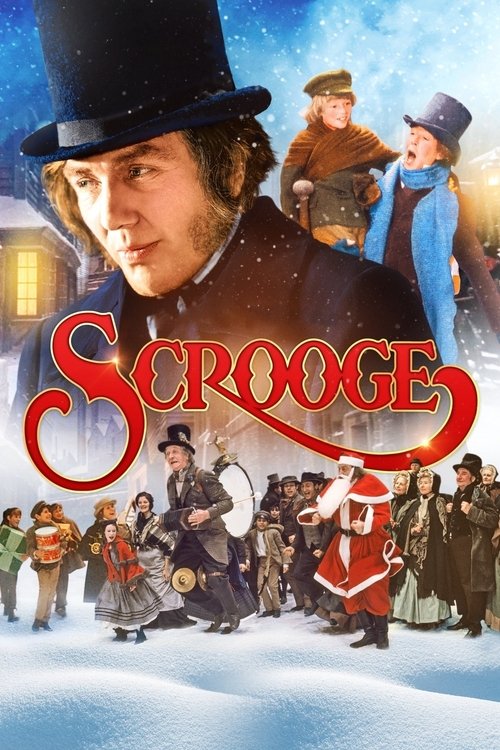
1970
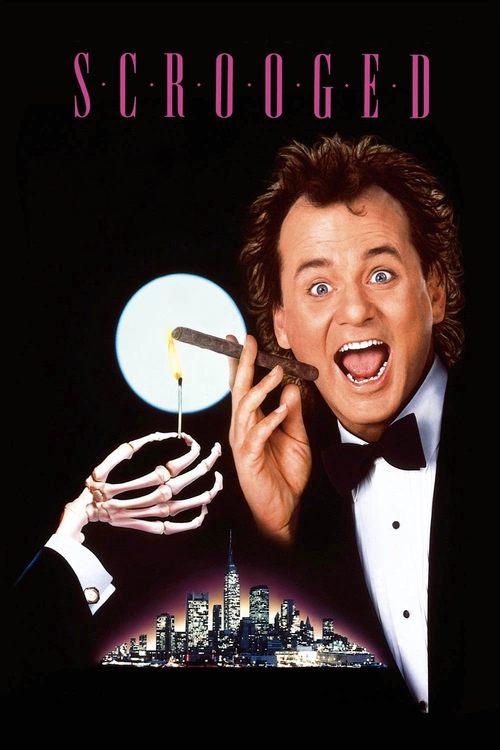
1988
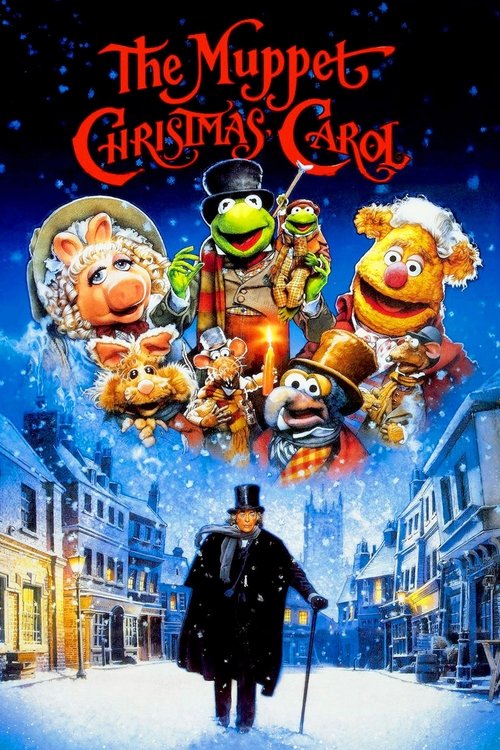
1992
No reviews yet. Be the first to share your thoughts on this movie!
Use the rating form above to leave a star rating and optional review.