
A Christmas Carol
1999
No user ratings available yet
Representation score: 2.3 out of 10
Representation Score
Limited
1951
ApprovedDirector
Brian Desmond Hurst
Runtime
86 minutes
Average Rating
No ratings yetNew Showbiz Analysis
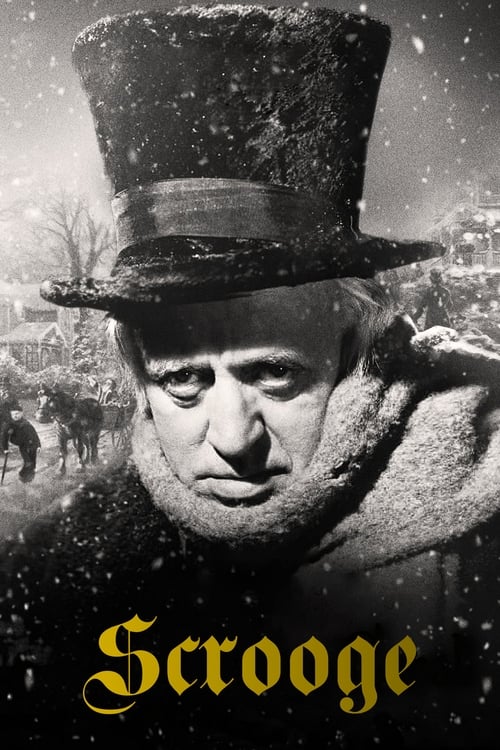
Scrooge (1951) is a period piece that emphasizes socioeconomic critique over diverse identity representation. It lacks contemporary markers of identity-based portrayal, focusing instead on the moral implications of greed. The film effectively uses class and disability to challenge capitalist dehumanization, but it remains constrained by the patriarchal and homogeneous social structures of its time. Ultimately, it presents a nuanced perspective on social responsibility, even if it does not fully break from the traditionalist norms of the 1950s.
Category Breakdown
The film does not include any LGBTQ+ characters or non-straight relationships. Romantic storylines follow traditional Victorian courtship, such as Scrooge and Belle’s relationship.
Women are primarily shown in domestic and emotional roles, as seen with Mrs. Cratchit. The main drivers of the commercial and social plot are male figures.
The cast is mostly uniform, reflecting the film's 1951 production and Victorian setting. The story focuses on class differences rather than racial or ethnic diversity.
The film critiques unregulated capitalism and the dehumanization of workers through a moral lens of spiritual redemption. It adheres to a traditional ethical framework.
Tiny Tim highlights physical disability and serves as a key figure in Scrooge's transformation. Though potentially relying on era-specific clichés, Tiny Tim holds significant emotional influence.
Present on Screen
Limited or Absent
Official Synopsis
Ebenezer Scrooge malcontentedly shuffles through life as a cruel, miserly businessman, until he is visited by three spirits on Christmas Eve who show him how his unhappy childhood and adult behavior has left him a selfish, lonely old man.
1999
1938
2019
1970
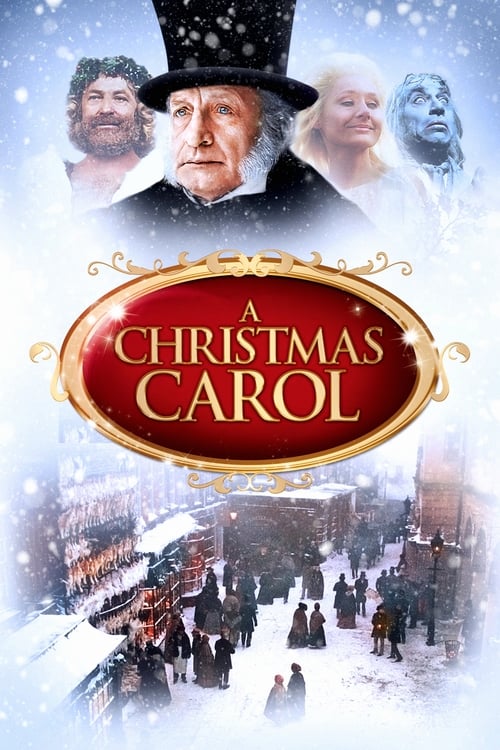
1984
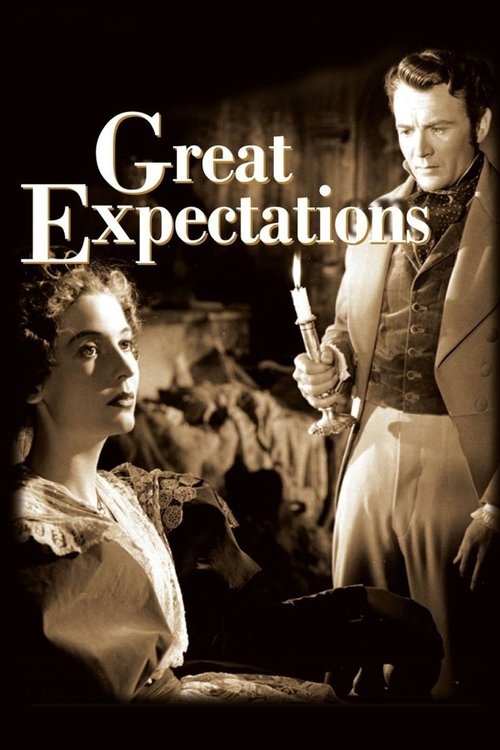
1946
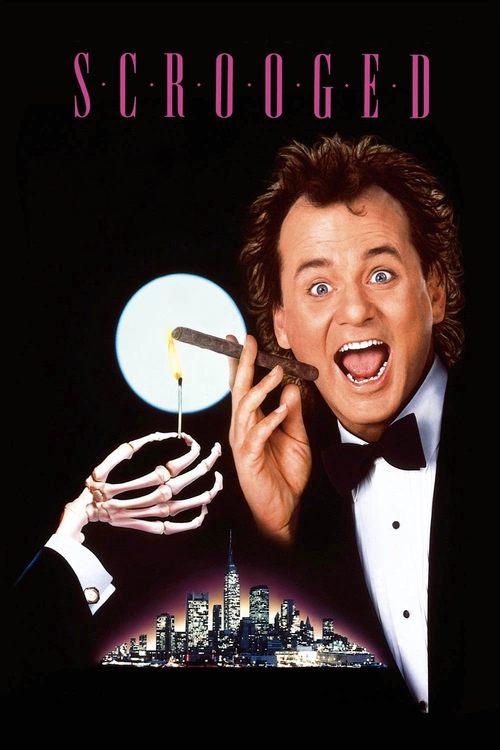
1988
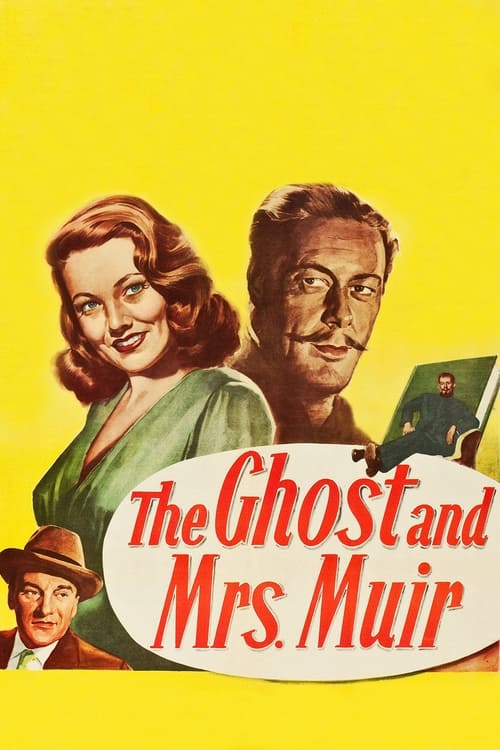
1947
No reviews yet. Be the first to share your thoughts on this movie!
Use the rating form above to leave a star rating and optional review.