Filip the Kind
1975
No user ratings available yet
Representation score: 1.0 out of 10
Representation Score
Limited
1965
Director
István Gaál
Runtime
94 minutes
Average Rating
No ratings yetNew Showbiz Analysis
Green Years is a period-specific drama that prioritizes ideological and systemic critique over demographic variety. Its low scores in LGBTQ+ and racial representation reflect its narrow focus on the internal ethnic and social dynamics of mid-century Hungary. However, the film excels in cultural representation by examining the tension between individual conscience and state ideology. It provides a nuanced look at how political shifts reshape consciousness and dismantle traditional authority. Ultimately, the film's value lies in its intellectual depth regarding institutional change rather than its breadth of human identity representation.
Category Breakdown
The film does not include any identifiable LGBTQ+ characters or narratives. The story focuses on the protagonist's journey through the socio-political landscape and his immediate surroundings.
The story centers around a male protagonist, highlighting the focus on male identity within a changing social hierarchy. Traditional family structures are shown under strain due to political pressures.
Set in mid-century Hungary, the cast and setting are ethnically uniform. The film adheres to the historical reality of the Hungarian population during the rise of the communist regime.
The film offers a sophisticated critique of traditional social institutions. It depicts the breakdown of religious and communal structures in favor of a new, secular, and state-driven moral framework.
There are no prominent depictions of physical or neurodivergent disabilities. These traits are not used as central character elements or plot drivers in the narrative.
Present on Screen
Limited or Absent
Official Synopsis
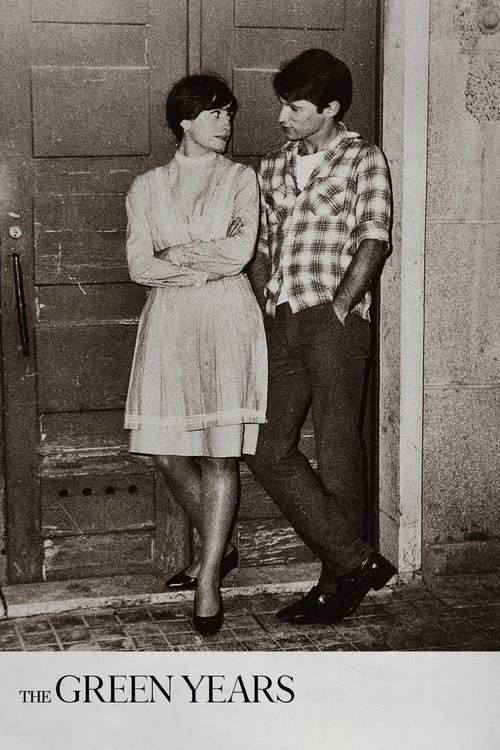
The story is set in the stifling atmosphere of the 1950s. The highly politicized everyday life of the period unfolds from the perspective of a young man coming from a poor peasant background who wins entry to the humanities faculty in Budapest. The film shows how politics interferes in and corrodes the private lives of people.
1975
1967
1960
1965
2006
1963
1966
1963
No reviews yet. Be the first to share your thoughts on this movie!
Use the rating form above to leave a star rating and optional review.