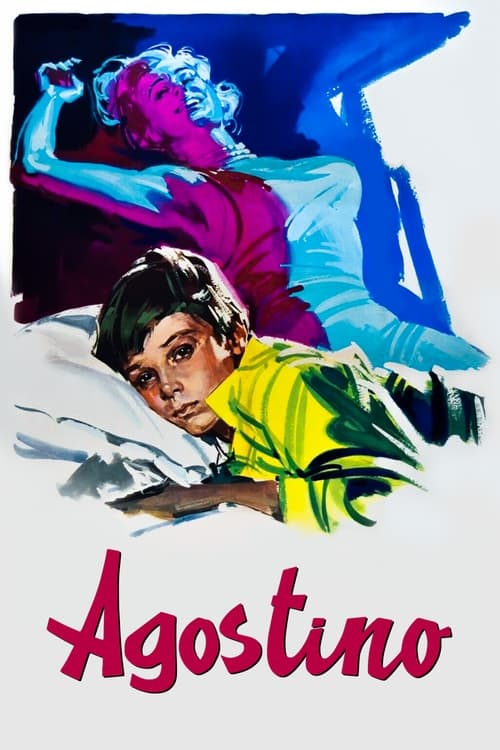
Agostino
1962
No user ratings available yet
Representation score: 4.3 out of 10
Representation Score
Fair
1963
Director
Mauro Bolognini
Runtime
82 minutes
Average Rating
No ratings yetNew Showbiz Analysis
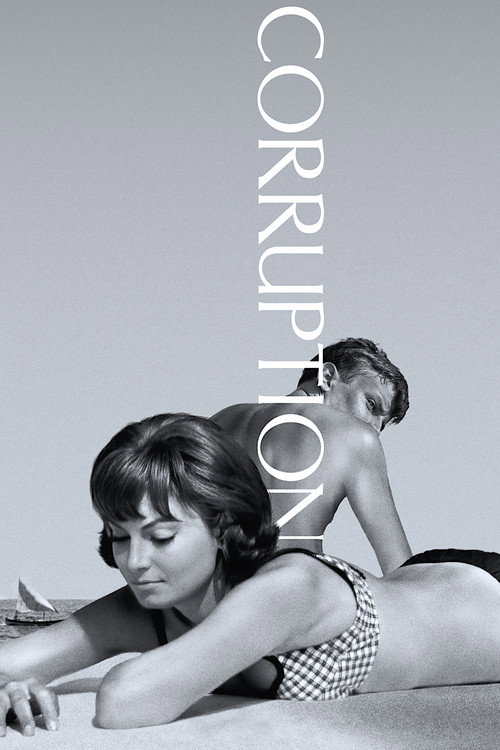
Mauro Bolognini’s drama centers on the theme of moral decay rather than diverse representation. It prioritizes a critique of greed and the corruption of traditional institutions over inclusive casting. While the film lacks racial and LGBTQ+ representation, it offers progressive insights by subverting patriarchal stereotypes. The father is shown not as a virtuous figure, but as a source of manipulation. Ultimately, the film’s strength lies in its cultural critique of the tension between spiritual ideals and materialist corruption.
Category Breakdown
The film follows a traditional framework that assumes everyone is straight or cisgender. There are no explicit queer stories or non-cisgender identities featured.
Women play important roles in prompting the protagonist's moral changes within a social climbing context. The film challenges traditional masculine authority by showing the father as a corrupting, manipulative figure.
The cast is uniform, reflecting the specific 1960s Italian socioeconomic environment. There are no characters from non-European backgrounds or racial diversity in this localized drama.
The story sharply criticizes Western institutions and capitalism. It portrays the pursuit of status and wealth as a corrupting force that undermines ethical integrity.
The film does not feature characters with visible or invisible disabilities. The narrative focuses solely on the psychological and moral development of the main characters.
Present on Screen
Limited or Absent
Official Synopsis
Stefano is a shy and sensitive teenager who has just completed his studies in Switzerland and is considering becoming a monk. But his father, a rich Milanese publisher, who had the ambition to see his son succeed him, refuses and takes him on a cruise with a young woman to take this idea out of his mind...
1962

1957

1979

1961
1965

1958

1961
1946
No reviews yet. Be the first to share your thoughts on this movie!
Use the rating form above to leave a star rating and optional review.