
The Crime of Padre Amaro
2002
No user ratings available yet
Diversity score: 5.9 out of 10

1991
RDirector
Héctor Babenco
Runtime
189 minutes
Average Rating
No ratings yetSynopsis
Martin and Hazel Quarrier are small-town fundamentalist missionaries sent to the jungles of South America to convert the Indians. Their remote mission was previously run by the Catholics, before the natives murdered them all. They are sent by the pompous Leslie Huben, who runs the missionary effort in the area but who seems more concerned about competing with his Catholic 'rivals' than in the Indians themselves. Hazel is terrified of the Indians while Martin is fascinated. Soon American pilot Lewis Moon joins the Indian tribe but is attracted by Leslie's young wife, Andy. Can the interaction of these characters and cultures, and the advancing bulldozers of civilization, avoid disaster?
Overall Score
Good
Category Breakdown
LGBTQ+ Representation
The film lacks LGBTQ+ characters or non-heteronormative identities. Interpersonal dynamics focus on traditional romantic and sexual tensions between missionaries and the local population.
Gender Representation
Female characters like Hazel demonstrate agency through their emotional responses to the environment. The film avoids celebrating traditional masculinity, instead presenting it as a source of instability.
Racial & Ethnic Diversity
The narrative excels by centering indigenous Amazonian populations and their autonomy. Using indigenous actors provides an authentic presence amidst the clash with Western expansionism.
Religious & Cultural Diversity
The film offers a sophisticated critique of Western religious institutions as disruptive forces. It questions the validity of Western doctrines against the lived reality of Amazonian tribes.
Disability Representation
There are no significant or central depictions of visible or invisible disabilities within the film.
Strengths
Areas for Improvement
AI Analysis
Héctor Babenco’s drama serves as a rigorous deconstruction of Western hegemony and colonialist frameworks. The film’s primary strength is its refusal to frame missionary work as benevolent, instead portraying it as a destabilizing force. By prioritizing the perspective of indigenous tribes, the narrative challenges the perceived superiority of Western social structures. However, the film remains limited by its adherence to conventional heteronormative structures and a lack of representation for LGBTQ+ and disabled characters. While it successfully critiques institutional imposition, these omissions prevent a more comprehensive diversity profile. Ultimately, the work stands as a notable piece of post-colonial cinema. It succeeds by framing the 'civilizing mission' as an invasive threat to the natural and cultural autonomy of the Amazonian region.
2002

2004

2007

1975

1999
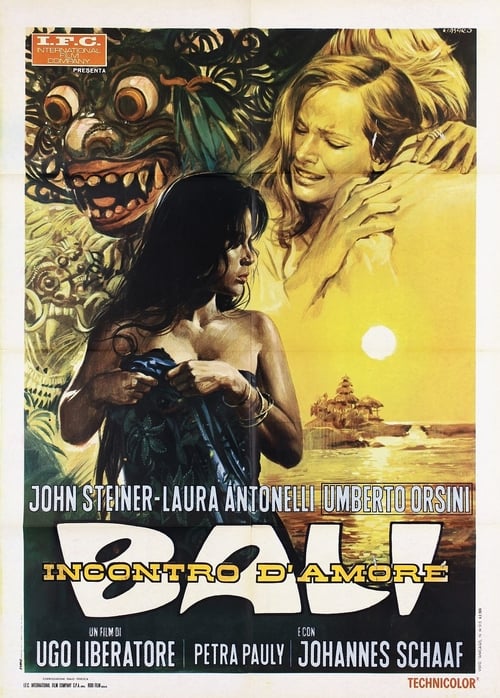
1970
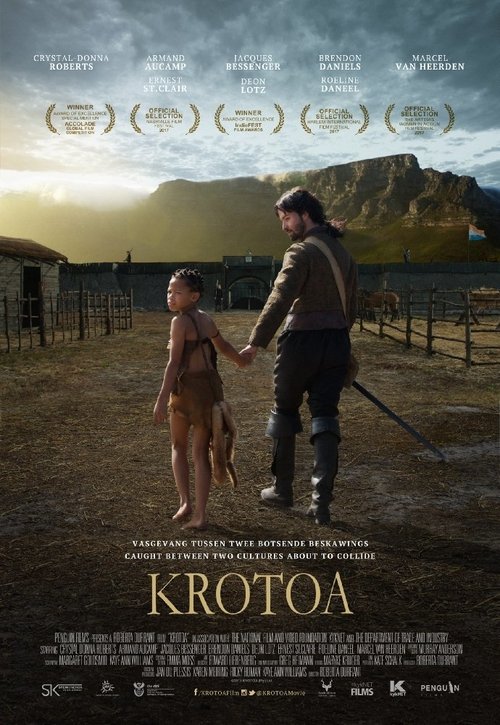
2017

1998

1957
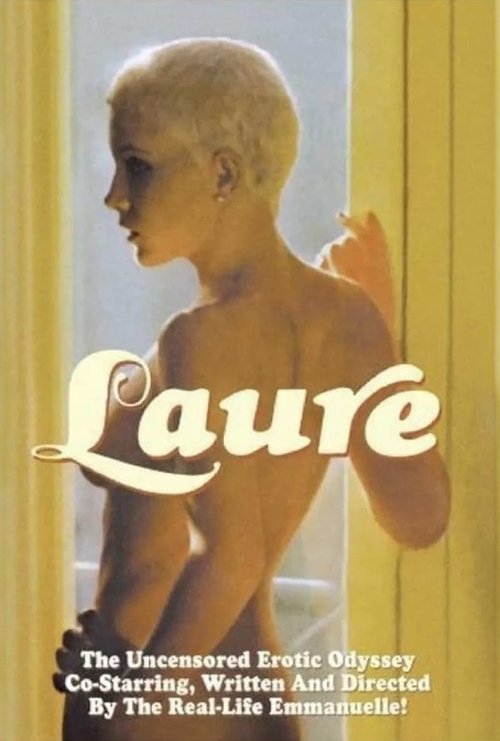
1976
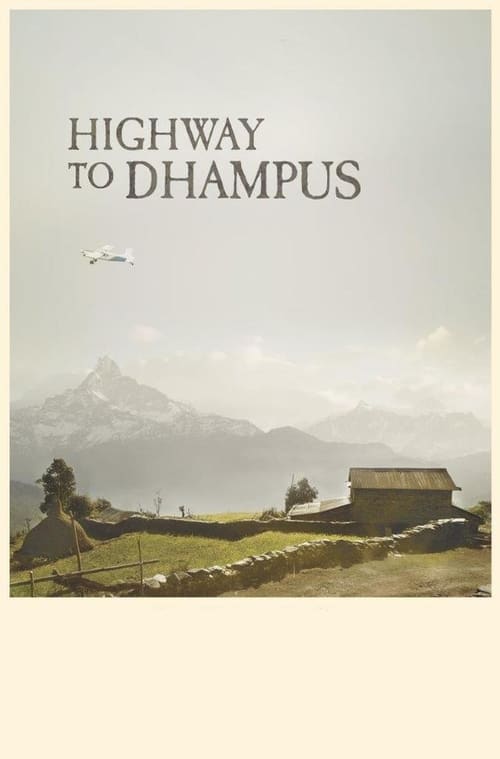
2014
1958
No reviews yet. Be the first to share your thoughts on this movie!
Use the rating form above to leave a star rating and optional review.