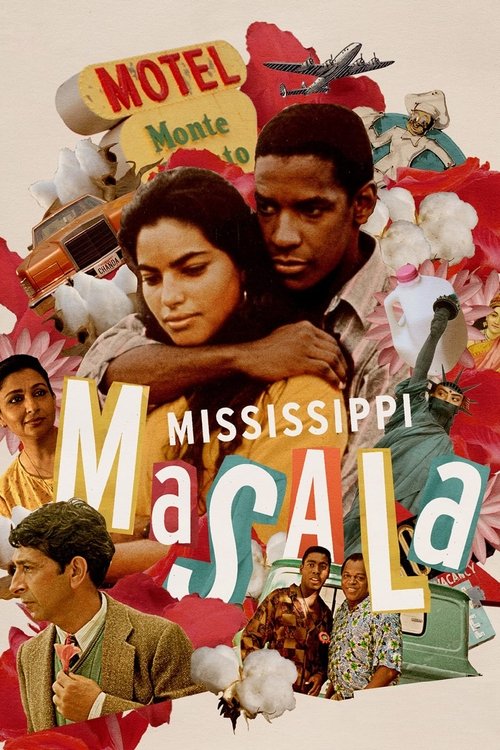
Mississippi Masala
1991
No user ratings available yet
Representation score: 5.9 out of 10

Representation Score
Good
2004
Director
Avi Nesher
Runtime
110 minutes
Average Rating
No ratings yetNew Showbiz Analysis
Turn Left at the End of the World shines in its nuanced depiction of ethnic the way different parts of someone's identity overlap. By delving into the tensions between Moroccan and Indian immigrants, the film avoids oversimplified views and instead explores intricate intra-community power structures and colorism. The film also highlights women's ability to drive the story and autonomy during a time of social change. It challenges traditional roles by centering the narrative on two women navigating the sexual revolution. However, the film lacks explicit LGBTQ+ storylines and does not feature characters with physical or neurodivergent disabilities.
Category Breakdown
The film examines the sexual revolution of the 1960s through its female characters, but it does not include explicit depictions of LGBTQ+ identities or same-sex relationships.
The story focuses on the autonomy and ability to act of two women as they navigate a patriarchal immigrant environment. They challenge traditional domestic roles through personal growth.
The film presents a nuanced view of ethnic tension between Moroccan and Indian immigrant communities. It avoids simplistic representations by highlighting internal hierarchies and colorism among these groups.
The film portrays a conflict between instinct-driven and quieter cultural identities. It emphasizes secular themes by examining the breakdown of traditional social and religious constraints.
There is no evidence of characters with physical or neurodivergent disabilities within the narrative.
Present on Screen
Limited or Absent
Official Synopsis
The year is 1968. To a small town in the south of Israel, mostly inhabited by Moroccan immigrants, a few families from India arrive, searching for a better life in the west. The instinct driven Moroccans patronize the "black" Indians, while the quiet Indians see the Moroccans as Ignorant and coarse. In this cultural war two girls, Moroccan and Indian, discover the sexual revolution of the 60's.
1991

2005

2002
2004
1995

1993

2005

1978
No reviews yet. Be the first to share your thoughts on this movie!
Use the rating form above to leave a star rating and optional review.