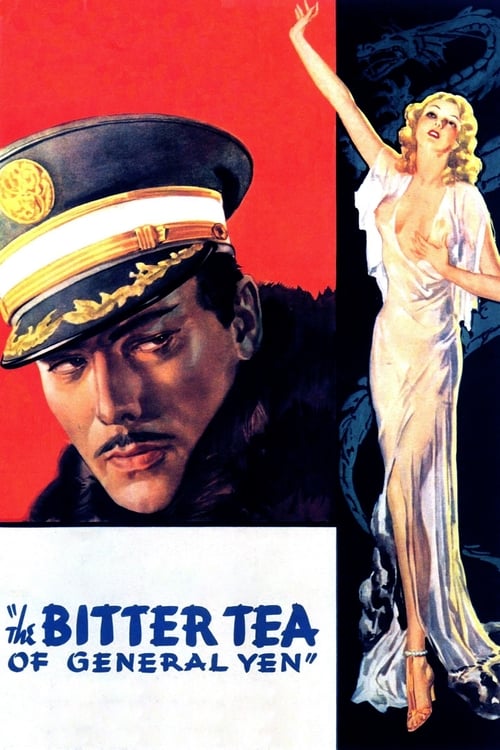
The Bitter Tea of General Yen
1932
No user ratings available yet
Representation score: 4.0 out of 10
Representation Score
Limited
1958
NRDirector
John Huston
Runtime
105 minutes
Average Rating
No ratings yetNew Showbiz Analysis
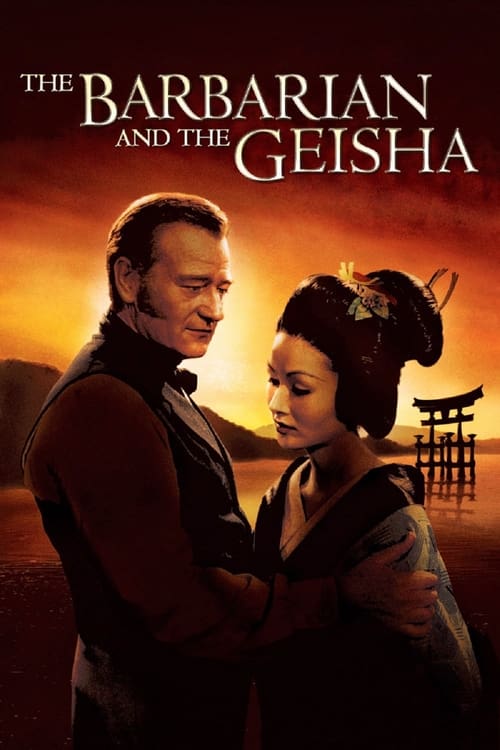
John Huston’s 1958 drama delves into the clash between Western diplomacy and Japanese isolationism. While it ventures beyond purely Western-centric narratives by highlighting a cross-cultural encounter, it remains entrenched in the social norms of its time. The film operates as a traditional romantic drama. It leverages the tension between the American Consul-General and the Japanese social order to advance the plot, yet it does so without challenging conventional gender or cultural expectations. Ultimately, the work serves as an examination of historical encounters through a mid-century lens, emphasizing a romanticized 'East vs. West' dynamic over a thorough cultural critique.
Category Breakdown
The film follows mid-century assumptions about relationships, focusing solely on the romance between the American protagonist and the Japanese geisha, without any hints of LGBTQ themes.
The story upholds traditional gender roles. Although the geisha is crucial to the emotional storyline, her role is limited by societal norms, while the male lead propels the main plot.
The film examines cross-cultural interactions from a Western viewpoint. While it includes Japanese actors, it often presents the interaction through a lens of exoticism and cultural conflict.
The depiction of Japan leans towards Orientalism, portraying the culture as an enigmatic 'other.' The story emphasizes the tension between Western institutions and Japanese society.
There are no significant representations of disabilities that play a central role in the narrative of this production.
Present on Screen
Limited or Absent
Official Synopsis
Townsend Harris is sent by President Pierce to Japan to serve as the first U.S. Consul-General to that country. Harris discovers enormous hostility to foreigners, as well as the love of a young geisha.
1932
1955
1955

1959
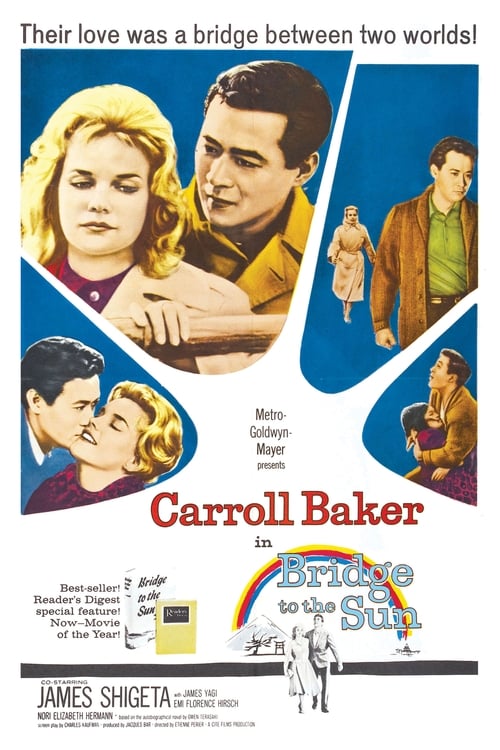
1961
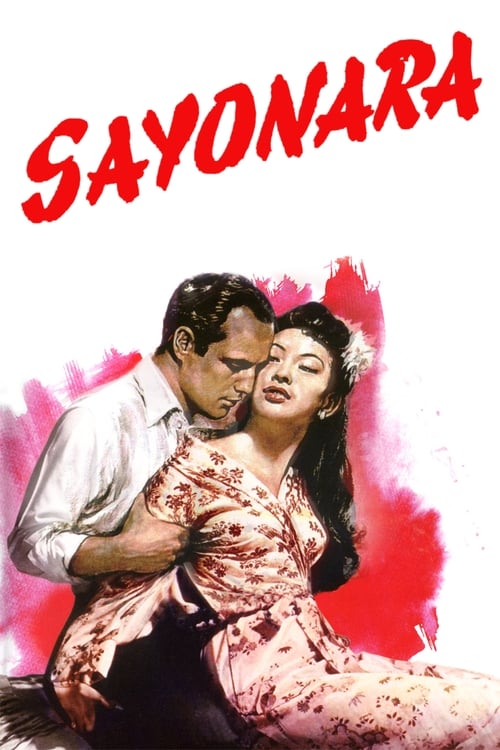
1957
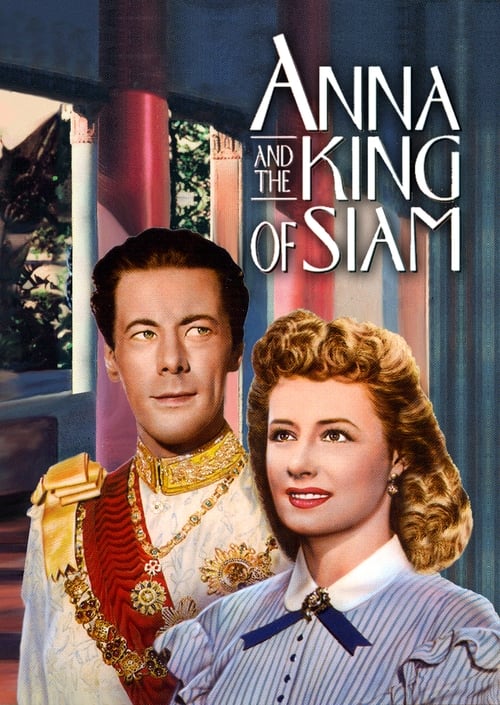
1946

1919
No reviews yet. Be the first to share your thoughts on this movie!
Use the rating form above to leave a star rating and optional review.