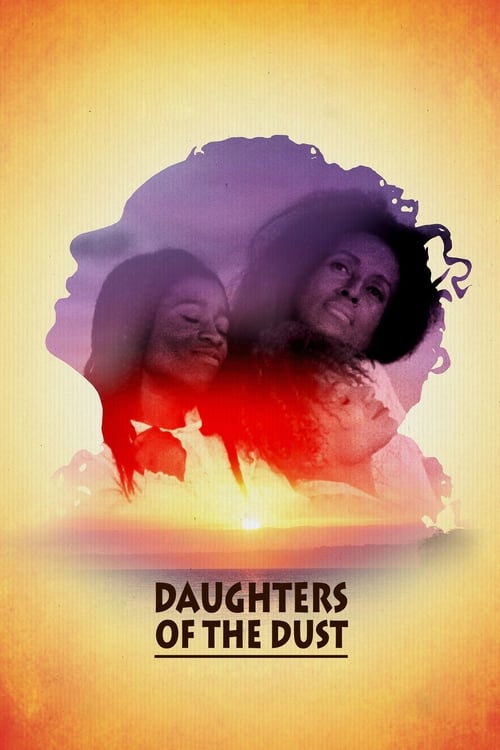
Daughters of the Dust
1991
No user ratings available yet
Diversity score: 8.4 out of 10

2017
TV-14Director
Roberta Durrant
Runtime
122 minutes
Average Rating
No ratings yetSynopsis
Krotoa, a feisty, bright, 11-year-old girl is removed from her close-knit Khoi tribe to serve Jan van Riebeeck, her uncle’s trading partner and the first Governor of the Cape Colony. She is brought into the first Fort established by the Dutch East India Company in 1652. There she grows into a visionary young woman who assimilates the Dutch language and culture so well that she rises to become an influential translator but ends up being rejected by her own people as she tries to bridge the gap between the two cultures about to collide.
Overall Score
Excellent
Category Breakdown
LGBTQ+ Representation
The film lacks explicit LGBTQ+ characters or non-heteronormative storylines. The narrative focuses instead on the protagonist's navigation of colonial and tribal social structures.
Gender Representation
Krotoa is portrayed as a visionary intellectual rather than a passive subject. Her mastery of the Dutch language and political navigation challenges the era's restrictive gender roles.
Racial & Ethnic Diversity
The film excels by centering the Khoisan people and countering the whitewashing common in colonial dramas. It prioritizes indigenous perspectives to highlight the systemic disenfranchisement of non-European populations.
Religious & Cultural Diversity
The story critiques Western institutional expansion by framing the Dutch arrival as a disruptive force. It explores the friction between indigenous communal values and encroaching colonial capitalism.
Disability Representation
There are no prominent depictions of physical or neurodivergent disabilities that serve as central narrative drivers in this historical drama.
Strengths
Areas for Improvement
AI Analysis
Krotoa is a powerful deconstruction of colonial history that shifts agency from the colonizer to the colonized. By centering an indigenous Khoi woman, the film disrupts Western-centric timelines and examines the complexities of cultural assimilation and linguistic mediation. The production succeeds in reclaiming marginalized histories, specifically through its commitment to indigenous visibility. It avoids the typical tropes of colonial-era dramas by focusing on the systemic friction caused by the Dutch East India Company's arrival. While the film provides a sophisticated critique of Western hegemony and gendered power structures, it remains neutral regarding queer identity and does not feature central disability narratives.
1991
1991

2004
2016
1991

2002
1991

1975

2005
2013
2015
1975
No reviews yet. Be the first to share your thoughts on this movie!
Use the rating form above to leave a star rating and optional review.