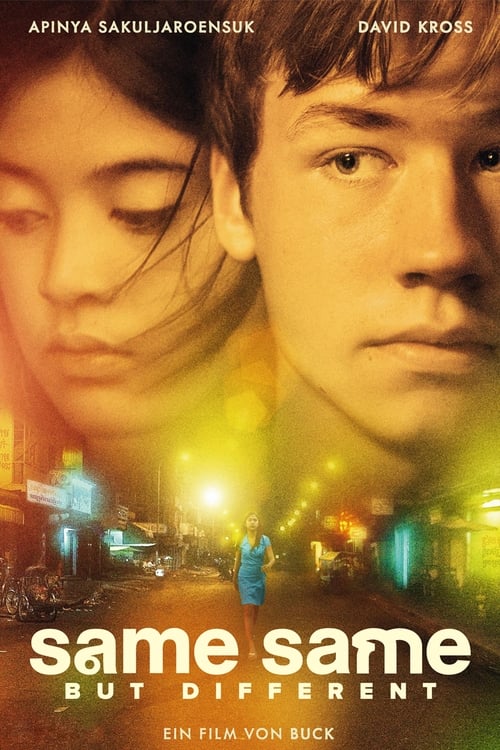
Same Same But Different
2010
No user ratings available yet
Representation score: 6.0 out of 10
Representation Score
Limited
2014
PGDirector
Rick McFarland
Runtime
100 minutes
Average Rating
No ratings yetNew Showbiz Analysis
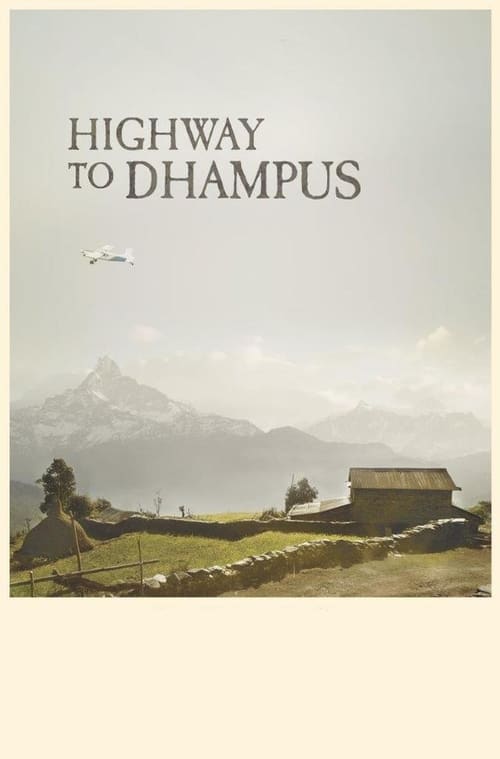
Highway to Dhampus presents a cross-cultural encounter using the Nepalese landscape to highlight the clash between Western privilege and local realities. While the film avoids harmful stereotypes, it remains tied to conventional storytelling structures. The narrative centers on the moral growth of Western characters, potentially sidelining the local population as mere catalysts for Western redemption rather than independent agents of their own stories. Ultimately, the film offers a platform for local settings and leadership but falls short of disrupting Western-centric narrative norms or engaging with complex layers of diversity.
Category Breakdown
The film adheres to a traditional framework that assumes everyone is straight or cisgender. There are no LGBTQ+ characters or narratives that question traditional gender roles.
Laxmi is portrayed as a powerful and authoritative headmistress. However, the inclusion of stereotypical characters like the spoiled heiress relies on well-known female clichés.
The story highlights the interaction between Western travelers and the Nepalese population. While local individuals play significant roles, the setting often serves as a backdrop for Western character development.
The narrative examines the tension between Western capitalism and local economic conditions. It emphasizes a humanist perspective on cultural exchange without deeply critiquing systemic issues.
The film does not prominently depict visible or invisible disabilities. Physical challenges serve primarily as elements of the survival plot rather than as nuanced character studies.
Present on Screen
Limited or Absent
Official Synopsis
When Laxmi, headmistress of a small orphanage in Nepal, is visited by a rich socialite attempting to fix her image through charitable acts, a chain of events is set in motion that affects everyone involved. Ajit, the western-savvy bush pilot, Colt, the American photojournalist and chaperone, and even Elizabeth, the spoiled British heiress, all discover their own reasons to ultimately change for the better.
2010

2005

2011

2004

2017

2002

2006

1999
No reviews yet. Be the first to share your thoughts on this movie!
Use the rating form above to leave a star rating and optional review.