
The Heist
1976
No user ratings available yet
Diversity score: 5.7 out of 10
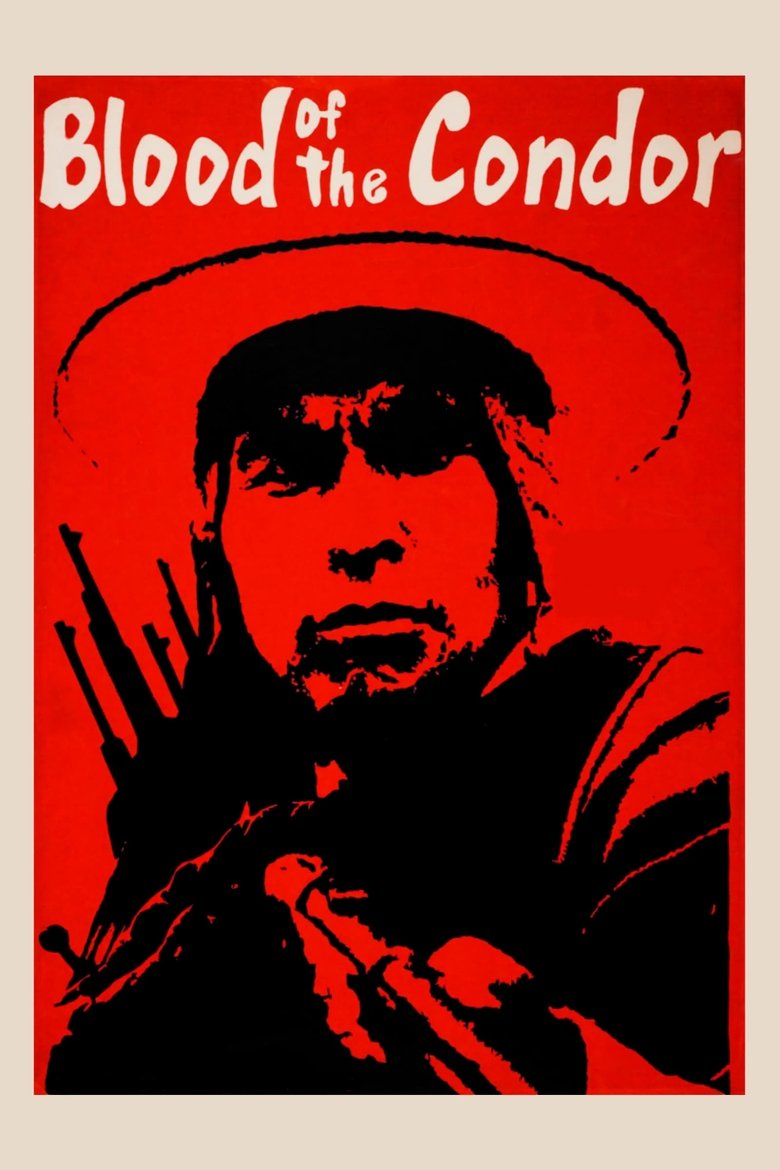
1969
Director
Jorge Sanjinés
Runtime
70 minutes
Average Rating
No ratings yetSynopsis
A community reacts against a group of foreigners who under the guise of development assistance are forcibly sterilizing the peasant women.
Overall Score
Excellent
Category Breakdown
LGBTQ+ Representation
The film focuses on communal and ethnic struggles within the Andean highlands. There is no discernible presence of non-cisnormative identities or narratives addressing heteronormativity.
Gender Representation
The narrative architecture primarily centers on the male protagonist and the collective struggle. However, it provides meaningful representation by centering the lived experiences of indigenous women facing systemic medical exploitation.
Racial & Ethnic Diversity
This film is an exceptional achievement in intersectional representation. By utilizing an entirely indigenous cast, it avoids the Western gaze and positions the Aymara and Quechua communities as primary drivers of the plot.
Religious & Cultural Diversity
The film offers a profound critique of Western institutional power. It prioritizes indigenous traditional knowledge over Western scientific hegemony, framing state and urban institutions as predatory and corrupt.
Disability Representation
The protagonist’s physical ailment drives the narrative and explores the clash between traditional and Western medicine. The condition is used to highlight socioeconomic vulnerabilities rather than serving as mere inspiration porn.
Strengths
Areas for Improvement
AI Analysis
Blood of the Condor is a seminal work of decolonial cinema that disrupts Western narrative structures. It succeeds by centering indigenous agency and providing an authentic, non-Western perspective on systemic oppression. The film's greatest strength lies in its racial and cultural authenticity. By centering Aymara and Quechua identities, it moves beyond simple representation to actively deconstruct the authority of colonialist and capitalist power dynamics. While the film excels in ethnic and cultural depth, it remains limited in its exploration of gender hierarchies and LGBTQ+ identities. The narrative focus remains largely on communal and male-driven struggles.
1976
1984

1986
1985

1963

1977

1985

1980

1958

1976

2005

2009
No reviews yet. Be the first to share your thoughts on this movie!
Use the rating form above to leave a star rating and optional review.