Jane Eyre
1997
No user ratings available yet
Representation score: 5.9 out of 10
Representation Score
Limited
1974
Director
Joseph Hardy
Runtime
100 minutes
Average Rating
No ratings yetNew Showbiz Analysis
This adaptation of Dickens' classic emphasizes historical realism and literary accuracy over modern characters who reflect more than one aspect of diversity. It serves as a traditional period piece mirroring the social homogeneity of its time. The film's strength lies in its critique of the rigid Victorian class system and social hierarchies. It challenges the established social order through its deconstruction of social standing. However, the production lacks racial and LGBTQ+ diversity. It also uses psychological trauma and mental health primarily as Gothic narrative devices rather than nuanced representations.
Category Breakdown
The film strictly follows Victorian norms, showing no same-sex relationships or non-binary gender identities.
Avoiding simple submissive stereotypes, the story centers on a male protagonist's journey. It highlights the psychological harm women face in a patriarchal society.
The cast is mostly white, reflecting the homogeneous social environment of Victorian England. The film does not use actors from diverse backgrounds.
The narrative critiques Western class structures, deconstructing the 'gentleman' ideal to reveal the disconnect between wealth and moral integrity.
Disability is portrayed through psychological issues, such as Miss Havisham's madness. This risks using mental health as a Gothic symbol rather than a nuanced depiction of neurodivergence.
Present on Screen
Limited or Absent
Official Synopsis
Orphan Pip discovers through lawyer Mr. Jaggers that a mysterious benefactor wishes to ensure that he becomes a gentleman. Reunited with his childhood patron, Miss Havisham, and his first love, the beautiful but emotionally cold Estella, he discovers that the elderly spinster has gone mad from having been left at the altar as a young woman, and has made her charge into a warped, unfeeling heartbreaker.
1997
1946
1999
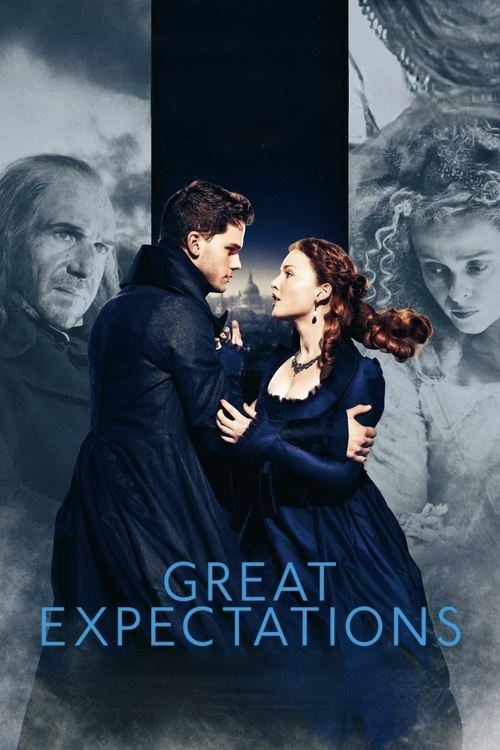
2012
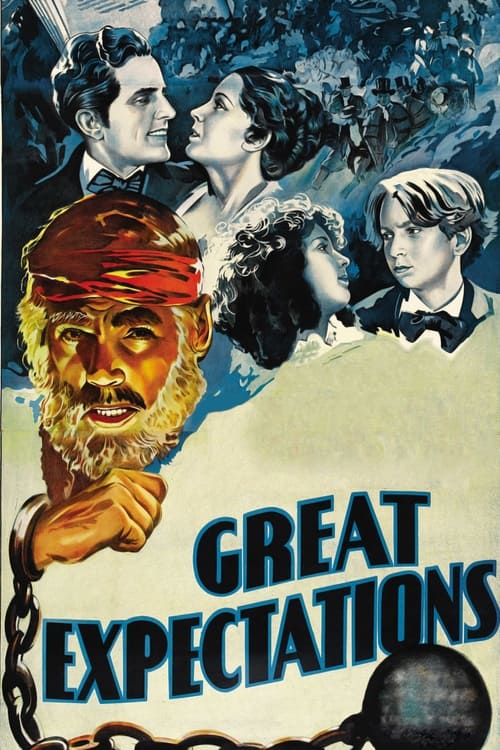
1934
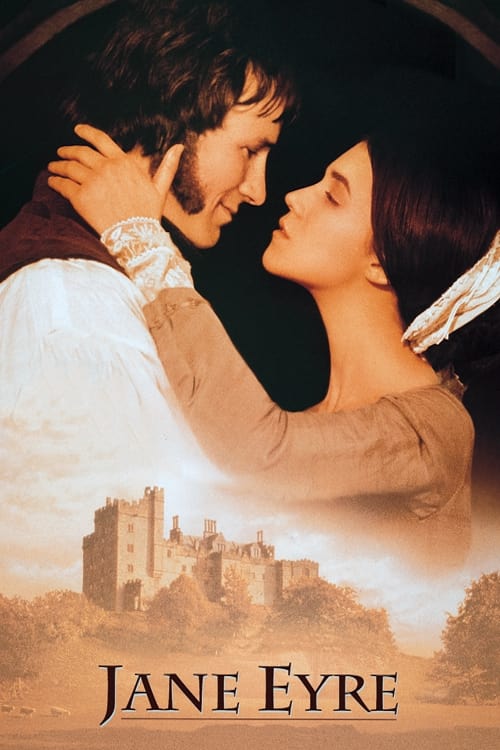
1996
1997
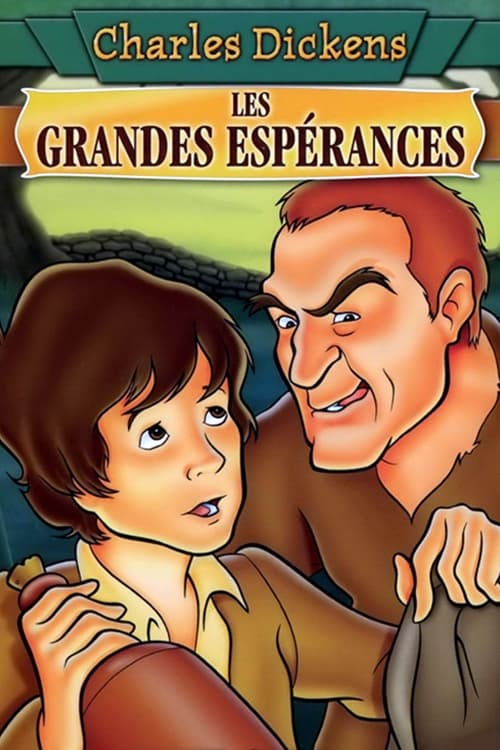
1983
No reviews yet. Be the first to share your thoughts on this movie!
Use the rating form above to leave a star rating and optional review.