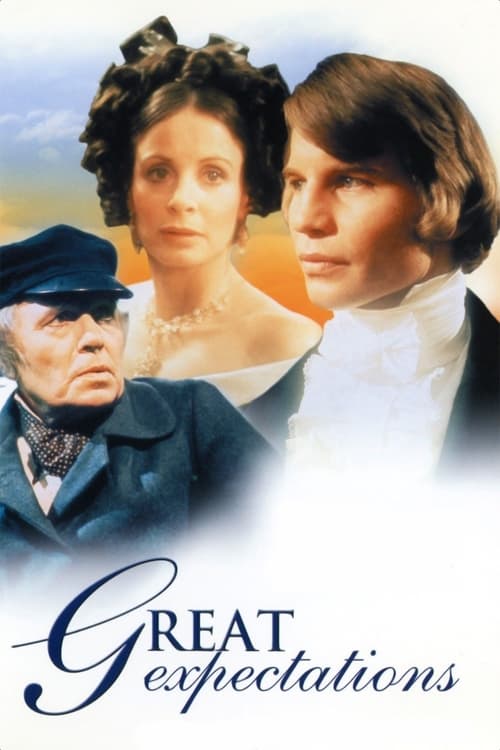
Great Expectations
1974
No user ratings available yet
Representation score: 3.5 out of 10
Representation Score
Fair
1983
GRuntime
69 minutes
Average Rating
No ratings yetNew Showbiz Analysis
This adaptation functions as a faithful reconstruction of Victorian England, prioritizing historical accuracy over modern diversity. It adheres strictly to the social hierarchies and traditional romantic structures found in Dickens' original text. While the film provides a nuanced look at classism and the psychological effects of trauma, it lacks intentionality in challenging established gender, racial, or sexual hierarchies. The narrative remains centered on traditional power dynamics and a homogeneous cast. Ultimately, the production succeeds as a period piece but offers very little in the way of diverse identity representation.
Category Breakdown
The story focuses entirely on heterosexual romantic pursuits, specifically Pip's obsession with Estella. There is no presence of non-binary or same-sex relationships.
Women like Miss Havisham hold significant influence, yet they remain tied to Victorian archetypes. The narrative momentum relies heavily on Pip's interactions with male figures.
The cast reflects a homogeneous Anglo-Saxon demographic consistent with the historical setting. The production prioritizes period accuracy over diverse casting.
The film offers a strong critique of socioeconomic hierarchies and the 'gentleman' ideal. It explores systemic inequities through the legal system and the convict underworld.
Psychological trauma serves as a central driver, particularly through Miss Havisham's mental state. The portrayal moves beyond caricature to explore the control found in emotional wounding.
Present on Screen
Limited or Absent
Official Synopsis
Orphan Pip discovers through lawyer Mr. Jaggers that a mysterious benefactor wishes to ensure that he becomes a gentleman. Reunited with his childhood patron, Miss Havisham, and his first love, the beautiful but emotionally cold Estella, he discovers that the elderly spinster has gone mad from having been left at the altar as a young woman, and has made her charge into a warped, unfeeling heartbreaker.
1974
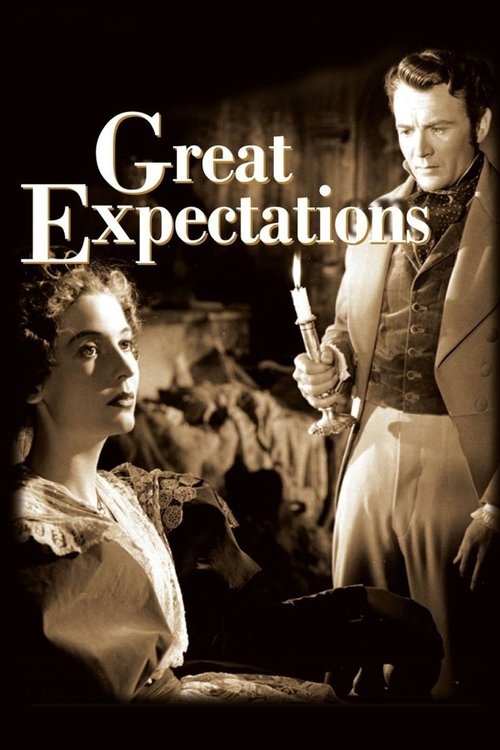
1946
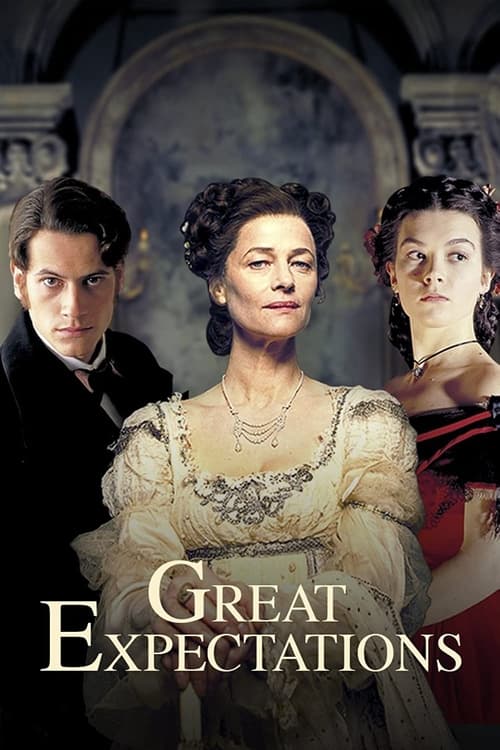
1999
1992
1934

1993
1983
2012
No reviews yet. Be the first to share your thoughts on this movie!
Use the rating form above to leave a star rating and optional review.