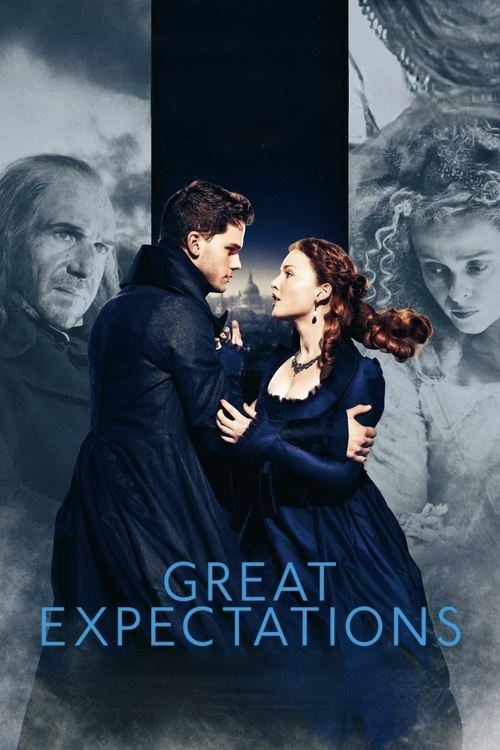
Great Expectations
2012
No user ratings available yet
Representation score: 3.3 out of 10
Representation Score
Fair
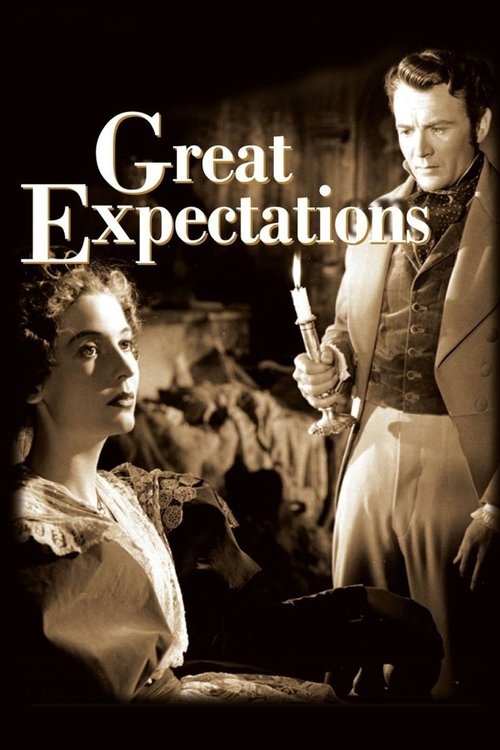
1946
NRDirector
David Lean
Runtime
118 minutes
Average Rating
No ratings yetNew Showbiz Analysis
David Lean's adaptation critically examines the power dynamics of class-based societies and the perceived moral superiority of the aristocracy. It highlights how social elevation often relies on the labor of those underrepresented. Though the film lacks modern markers of racial or LGBTQ+ diversity, it offers depth through its psychological character studies. The subversion of traditional feminine roles adds complexity to the narrative. Ultimately, the film serves as a critique of Western social institutions, challenging the stability of traditional hierarchies by separating true character from wealth and social status.
Category Breakdown
The film strictly follows the social norms of Victorian England and does not include any non-straight or non-cisgender identities or same-sex relationships.
Characters like Miss Havisham and Estella challenge traditional nurturing roles through their obsessions and strong emotional influence. However, the story primarily centers around the male protagonist.
The cast reflects the predominantly white, Anglo-Saxon society of mid-19th century England. The story focuses on social and economic differences rather than exploring diverse racial backgrounds.
The film critiques the legal and social systems of Victorian England, portraying them as transactional and oppressive.
Miss Havisham's character is driven by psychological trauma and social madness, which function as studies of obsession rather than explorations of disability.
Present on Screen
Limited or Absent
Official Synopsis
In this Dickens adaptation, orphan Pip discovers through lawyer Mr. Jaggers that a mysterious benefactor wishes to ensure that he becomes a gentleman. Reunited with his childhood patron, Miss Havisham, and his first love, the beautiful but emotionally cold Estella, he discovers that the elderly spinster has gone mad from having been left at the altar as a young woman, and has made her charge into a warped, unfeeling heartbreaker.
2012
1942
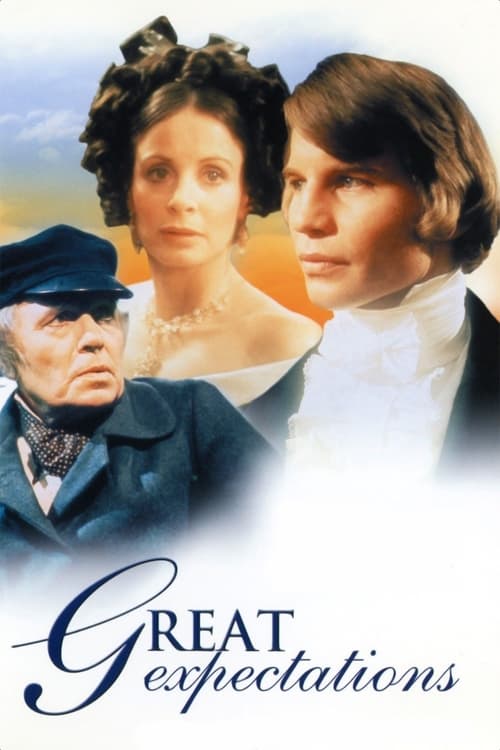
1974
1949
1934
1943
1999

1970
No reviews yet. Be the first to share your thoughts on this movie!
Use the rating form above to leave a star rating and optional review.