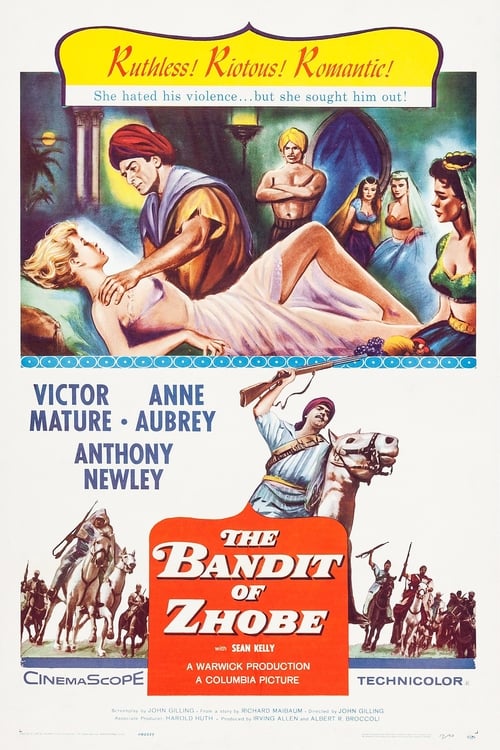
The Bandit Of Zhobe
1959
No user ratings available yet
Representation score: 2.0 out of 10
Representation Score
Limited
1965
ApprovedDirector
John Gilling
Runtime
82 minutes
Average Rating
No ratings yetNew Showbiz Analysis
The film serves as a transitional piece of genre cinema that complicates the standard colonial adventure. While it relies on mid-century clichés, it avoids the typical 'heroic imperialist' narrative by highlighting systemic injustice. Its primary strength lies in its social critique of British colonial administration. By framing the protagonist as a victim of racial prejudice, the film introduces moral complexity to the conflict. However, the film remains limited by its era. It lacks meaningful representation for women and LGBTQ+ individuals, remaining tethered to a strictly masculine and straight-centered perspective.
Category Breakdown
The film operates within a traditional framework that assumes everyone is straight and cisgender. There is no presence of non-cisgender identities or queer subtext.
The narrative is driven almost exclusively by male-centric military conflict. Women have little control over their roles, focusing instead on masculine archetypes.
The film critiques colonial hierarchy by centering on a mixed-race protagonist. It portrays systemic racism and racial prejudice within the British military.
The plot explores the friction between Western imperial institutions and local resistance. It challenges the idea of the colonial state as a benevolent force.
There are no prominent depictions of visible or invisible disabilities within the narrative.
Present on Screen
Limited or Absent
Official Synopsis
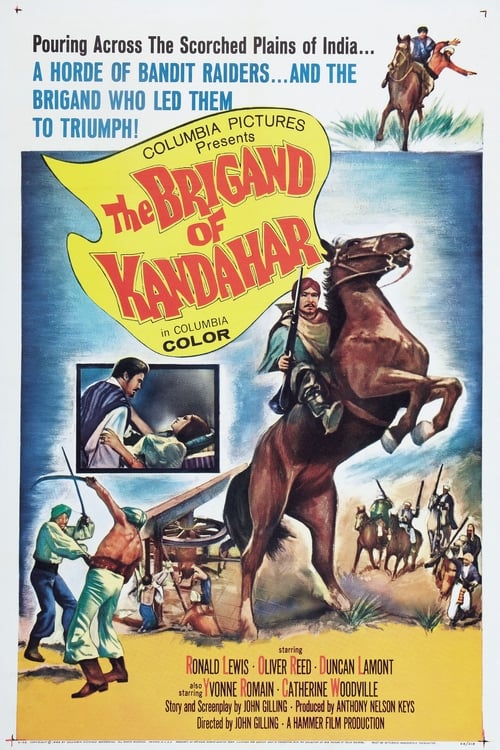
1880. British India. Robert Case, a half-caste lieutenant, is unjustly discharged from the British Army. He joins the rebel Bengali tribesmen offensive against the colonial enemy. They capture a foreign journalist and Case recounts his story of false accusation on trumped-up charges, instigated by the bigotry and racism of his commanding officers. Following a successful attack by the British against the rebels Case is brutally shot by Colonel Drewe, his accuser. The journalist returns home determined to report the true story of The Brigand of Kandahar.
1959

1939
1953
1966
1959
2018
1954
1953
No reviews yet. Be the first to share your thoughts on this movie!
Use the rating form above to leave a star rating and optional review.