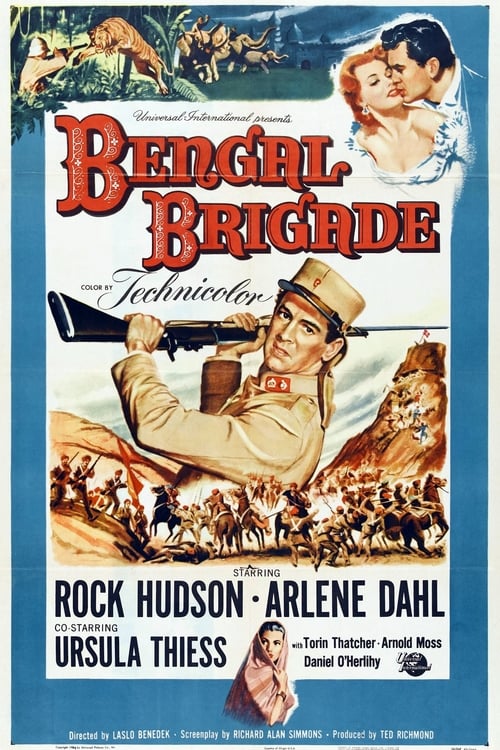
Bengal Brigade
1954
No user ratings available yet
Representation score: 1.7 out of 10
Representation Score
Minimal
1953
PassedDirector
Allan Davis
Runtime
84 minutes
Average Rating
No ratings yetNew Showbiz Analysis
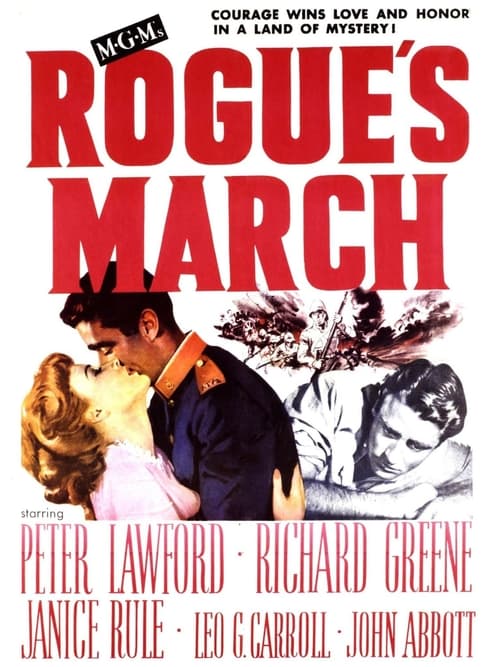
Rogue's March is a mid-century period drama that prioritizes individual masculine ability to act and Western institutional recovery. The narrative follows a British officer seeking to restore his honor in post-colonial India, a structure that inherently favors a colonial viewpoint. The film adheres to the social constraints and hierarchical values of the 1950s. By centering the protagonist's redemption through military service, the story reinforces traditional power dynamics rather than subverting them. Ultimately, the work functions as a conventional drama where the local Indian setting serves as a backdrop for a Western character's personal journey.
Category Breakdown
The film does not include any characters with non-straight sexual orientations or gender identities. It emphasizes traditional gender roles and relationships.
The story revolves around a British officer, highlighting traditional masculine leadership and military hierarchy. Female characters do not have significant roles in driving the story.
Set in India, the film focuses on a British officer's journey to redeem himself. This colonial perspective positions the Western protagonist as the main agent of change.
The film operates within a Western institutional framework, focusing on redemption through military service rather than challenging established hierarchies.
There is no information available regarding the portrayal of physical or neurodivergent characters in this work.
Present on Screen
Limited or Absent
Official Synopsis
After being unjustly accused of spying, a British officer tries to redeem himself in India.
1954

1939
1943
1937
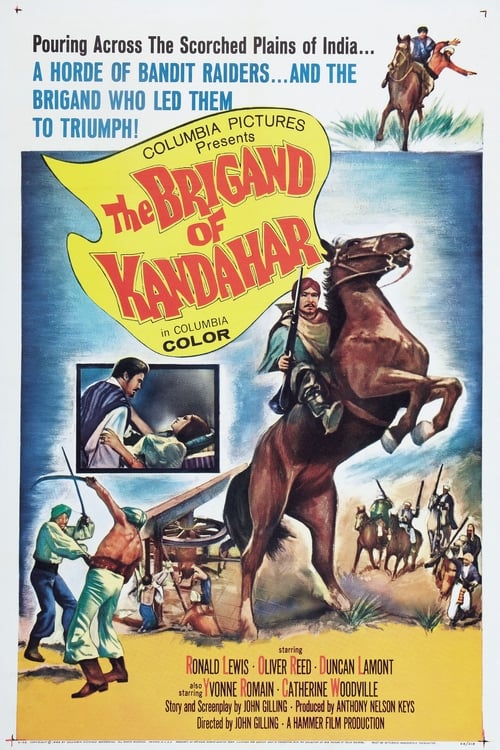
1965
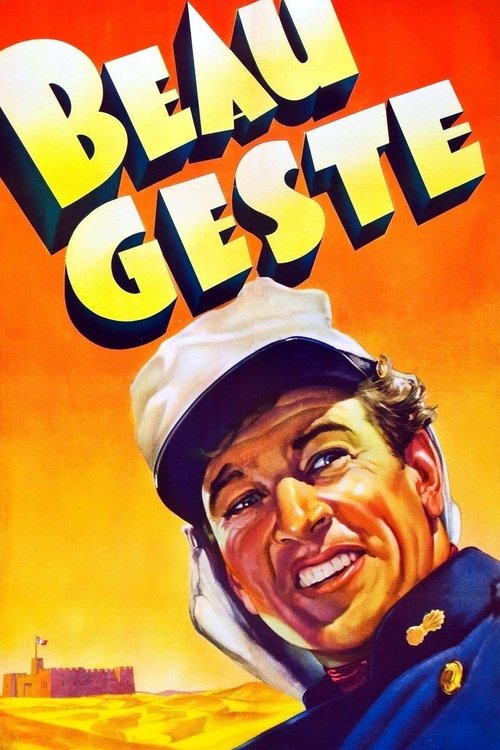
1939

1935

1937
No reviews yet. Be the first to share your thoughts on this movie!
Use the rating form above to leave a star rating and optional review.