The Black Rose
1950
No user ratings available yet
Representation score: 1.6 out of 10
Representation Score
Minimal
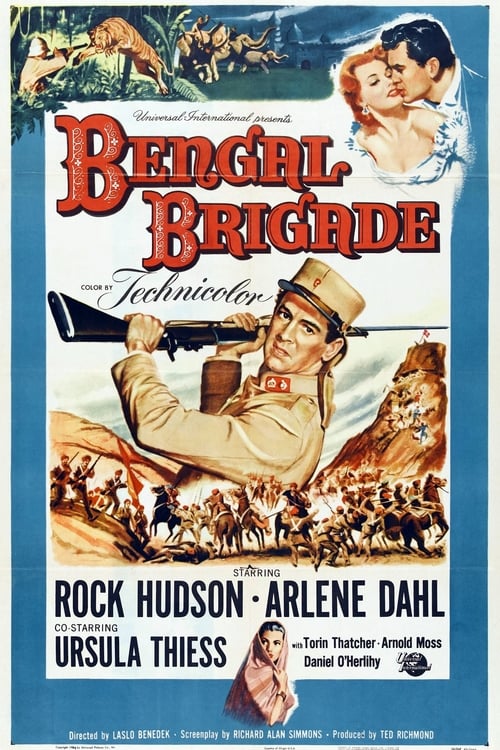
1954
ApprovedDirector
László Benedek
Runtime
87 minutes
Average Rating
No ratings yetNew Showbiz Analysis
Bengal Brigade is a product of its 1954 era, adhering closely to the social and cinematic conventions of the time. The story emphasizes individual honor and the stability of British military institutions over any challenge to established norms. The film's perspective is deeply influenced by its colonial context. While it includes Indian characters such as Rajah Karam, the narrative focus remains with the British protagonists, reinforcing a traditional colonial lens. Gender roles and romance follow conventional and patriarchal patterns. Women are primarily motivated by their relationships to male characters and serve as catalysts for the male protagonist’s redemption.
Category Breakdown
The film focuses on a traditional heterosexual relationship between Captain Claybourne and Vivian Morrow. It does not include any characters with non-conventional gender identities or challenge typical romantic structures.
The story revolves around a male protagonist's journey for military honor. Vivian Morrow serves as an emotional catalyst, but her role is defined by her connections to the male characters.
Set in 1856 British India, the film follows a colonial narrative centered on the British military experience. Although Rajah Karam is present, the narrative perspective remains focused on the British viewpoint.
The film upholds mid-20th century Western values regarding military service and personal honor. It presents conflicts through a colonial defense perspective without questioning imperial structures.
The narrative does not address any characters dealing with physical, neurodivergent, or mental health conditions.
Present on Screen
Limited or Absent
Official Synopsis
Year 1856, British India. Capt. Jeffrey Claybourne is severely punished after disobeying an order. Feeling unworthy of his fiancée Vivian Morrow, the daughter of his superior officer, Claybourne leaves the army until he could regain his reputation. When the Rajah Karam launches an attack on the British forces in India, Claybourne finds a chance at redemption.
1950

1939
1953
1935
1994

1979

1935
1939
No reviews yet. Be the first to share your thoughts on this movie!
Use the rating form above to leave a star rating and optional review.