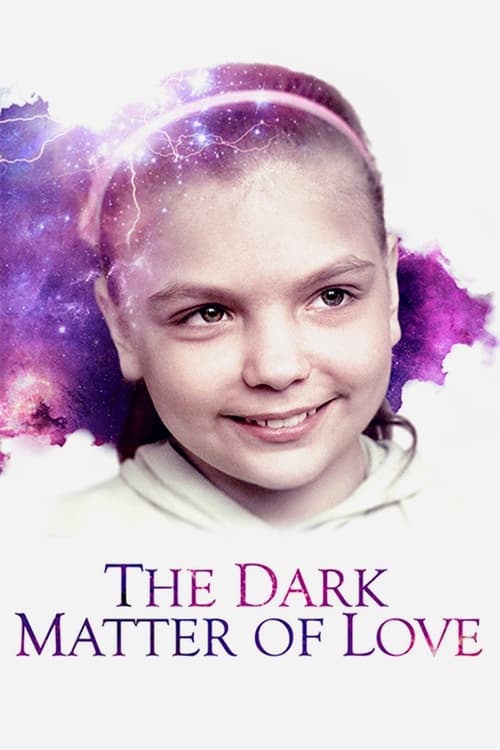
The Dark Matter of Love
2012
No user ratings available yet
Representation score: 8.2 out of 10

Representation Score
Good
2018
Director
Alana Simões
Average Rating
No ratings yetNew Showbiz Analysis
Mi Hermano provides a humanistic view of family through the lens of transnational adoption. By focusing on a single mother and children from various cultural backgrounds, the film avoids typical domestic clichés. The documentary’s strength lies in its subversion of the nuclear family model, replacing traditional patriarchal structures with a household centered around female leadership and mutual trust. However, the film’s scope is narrow, lacking representation of disabilities or explicit explorations of sexual orientation.
Category Breakdown
The film focuses on a non-traditional household led by an unmarried woman. Though sexual orientation is not a main theme, the structure challenges typical family models.
Gabriela leads the family unit as the primary decision-maker, which challenges traditional patriarchal structures and highlights her significant role in driving the story.
The story follows children adopted from Russia and Siberia, moving away from Anglo-centric models towards a more globalized perspective on identity.
The documentary looks at chosen kinship instead of traditional family structures, presenting a realistic and complex view of domestic life without idealizing it.
There is no depiction of physical or neurodivergent disabilities in the film.
Present on Screen
Limited or Absent
Official Synopsis
Alexey was born in Russia and adopted by Gabriela, an unmarried woman. Later, Gabriela and Alexey adopted Mateo, another child from Siberia. Over the course of nine years, Alexey and Mateo demonstrate what it means to build bonds of reciprocal trust despite the internal conflicts they face.
2012

2015

2015

2010

2013

2004

2007

2016
No reviews yet. Be the first to share your thoughts on this movie!
Use the rating form above to leave a star rating and optional review.