My Brother
2018
No user ratings available yet
Representation score: 6.3 out of 10
Representation Score
Excellent
2012
Not RatedDirector
Sarah McCarthy
Runtime
93 minutes
Average Rating
No ratings yetNew Showbiz Analysis
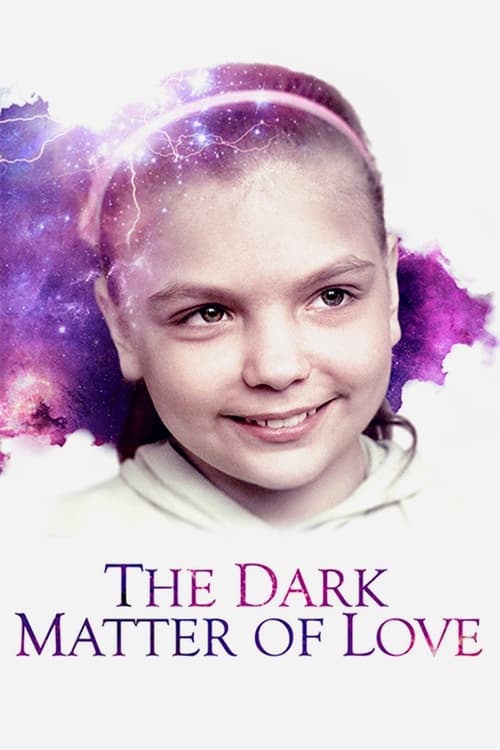
The film deconstructs the idealized Western domestic unit by focusing on the complexities of international adoption. It replaces the cliché of effortless maternal instinct with a rigorous, scientific look at how families form and bond. By centering the integration of Russian children into an American home, the documentary provides a strong look at cross-cultural identity. It avoids moralistic or faith-based narratives, opting instead for a secular exploration of human connection through developmental psychology. While the film lacks explicit LGBTQ+ representation, its focus on non-traditional family formation and the psychological labor of caregiving offers a progressive perspective on modern domesticity.
Category Breakdown
The film focuses on expanding a nuclear family through international adoption. There are no explicit LGBTQ+ characters or narratives coded around queer themes.
The documentary challenges traditional ideas about motherhood by highlighting the psychological work involved in caregiving. It shifts away from sentimental views toward a more systematic understanding of parenting.
The narrative explores how ethnic identities blend when Russian children are integrated into a Wisconsin household. This provides a meaningful look at cross-cultural interaction within a domestic setting.
The film promotes a secular, evidence-based view of connection by emphasizing science over religious frameworks. It highlights the systemic challenges in globalized social structures.
The film addresses invisible neurological and psychological challenges rather than physical disabilities. It treats emotional developmental needs with clinical seriousness, avoiding common inspirational clichés.
Present on Screen
Limited or Absent
Official Synopsis
Eleven year old Masha Kulabokhova is about to be adopted into fourteen year old Cami Diaz's family. Masha grew up in a Russian orphanage; Cami was born and raised in Wisconsin and has been the exclusive focus of her parents' love her whole life. The process of Masha becoming part of the Diaz family is going to change both girls forever. The Dark Matter of Love follows Masha as she leaves Russia to the spend her first year as part of the Diaz family, who have also adopted five year old twin boys Marcel and Vadim. When the reality of bonding with children who have grown up in institutions turns out to be more difficult than they ever imagined, the Diaz's hire two of the world's best developmental psychologists to help them build their new family - through science. Sometimes hilarious, sometimes heartbreaking, The Dark Matter of Love melds the story of the Diaz family learning to love, with rare archive footage of science experiments exploring parent-child love.
2018
2010
2007

2015
2013

2018
2019

2003
No reviews yet. Be the first to share your thoughts on this movie!
Use the rating form above to leave a star rating and optional review.