
Found
2021
No user ratings available yet
Representation score: 6.9 out of 10
Representation Score
Good
2013
Director
Mona Friis Bertheussen
Runtime
58 minutes
Average Rating
No ratings yetNew Showbiz Analysis
Twin Sisters is a compelling exploration of systemic institutional failures and the resilience of human connections. It goes beyond simple human-interest stories to critique how globalized systems can disrupt underrepresented identities. The film's strength lies in its ability to challenge the perceived infallibility of Western adoption bureaucracies. By framing these institutions as sources of disruption, it provides a nuanced critique of systemic intervention and the pursuit of ancestral truth.
Category Breakdown
The film takes a neutral stance towards LGBTQ+ identities, focusing on adoptive families without challenging traditional structures. It avoids using derogatory terms or stereotypes.
The story shares investigative ability to act among parents involved in adoption, exploring both maternal and paternal roles without relying on submissive gender stereotypes.
The documentary centers on the lived experiences of Chinese individuals involved in transracial adoption. It delves into the complexities of Western adoption systems and Eastern cultural origins.
The film critiques Western institutional authority and bureaucratic systems, emphasizing biological truth over administrative legality. It highlights the impact of these systems on kinship and identity.
There is no portrayal of characters or subjects with physical or neurodivergent disabilities in the film.
Present on Screen
Limited or Absent
Official Synopsis
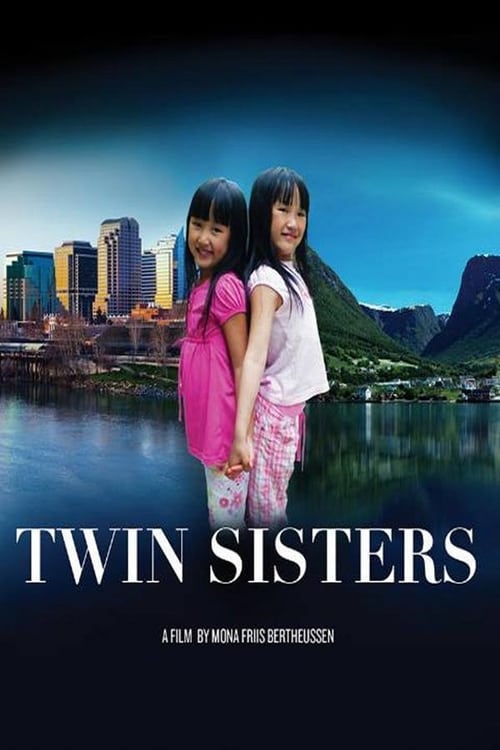
In 2003, the infant Chinese twin sisters Mia and Alexandra were found in a cardboard box. They ended up in an orphanage and were put up for adoption, at which time the authorities apparently decided that it was a good idea to separate them, and to keep silent about the fact that they were twins. Twin Sisters tells their story from the perspective of both sets of adoptive parents: one from Sacramento, California, the other from a tiny village in picturesque Norway. Through a series of coincidences that they later attribute to fate, the parents meet each other during the adoption procedure in China and launch an investigation that reveals the little girls are sisters.
2021

2015

2007

2010

1986

2023

2018

2018
No reviews yet. Be the first to share your thoughts on this movie!
Use the rating form above to leave a star rating and optional review.