Sky Without Stars
1955
No user ratings available yet
Diversity score: 4.6 out of 10
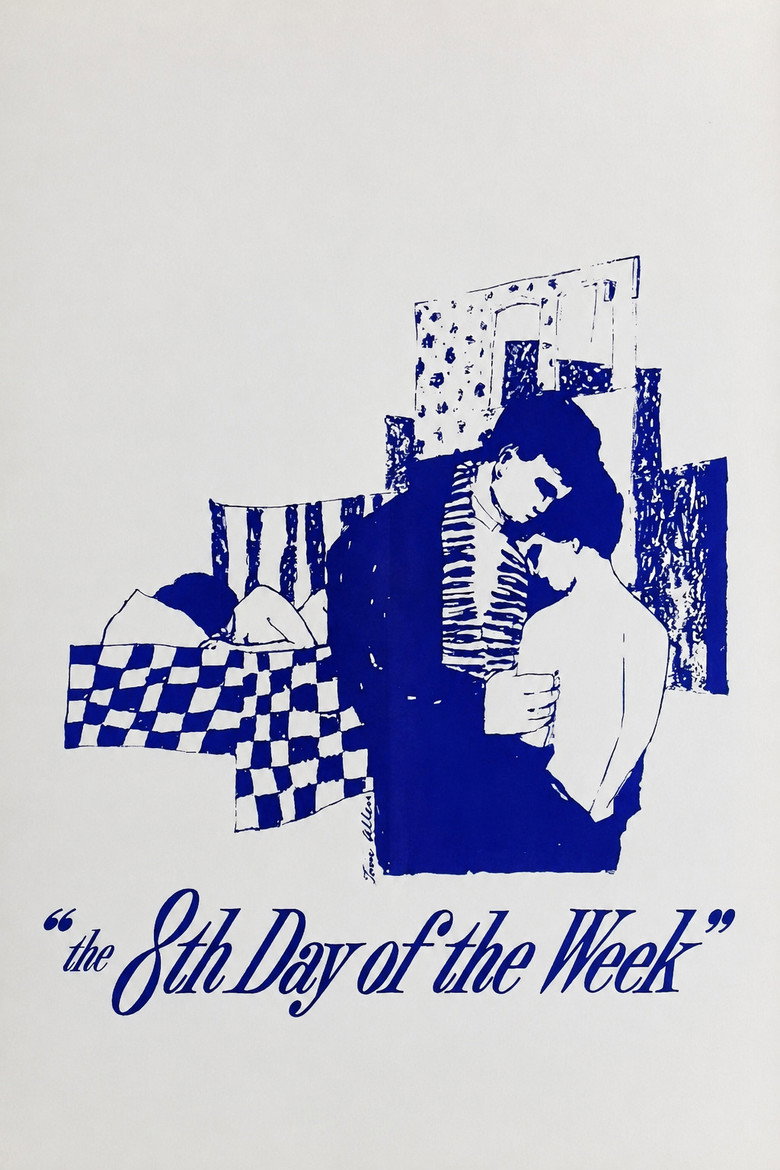
1958
Director
Aleksander Ford
Runtime
83 minutes
Average Rating
No ratings yetSynopsis
Zbigniew Cybulski and Sonja Ziemann play lovers struggling to find happiness and privacy in overcrowded Warsaw. The movie shows an honest picture of life in a war-damaged city, contrasting the characters' difficulties with their dreams of a better life. It was banned in Poland in 1958 and would not be seen anywhere until its European release one year later.
Overall Score
Fair
Category Breakdown
LGBTQ+ Representation
The film lacks any documented non-heteronormative identities or queer narratives. The romantic focus remains strictly on a traditional heterosexual pairing.
Gender Representation
Women are depicted with emotional complexity and active agency. They navigate a changing social landscape rather than being relegated to purely domestic or decorative roles.
Racial & Ethnic Diversity
The casting and narrative focus are overwhelmingly homogeneous. This reflects the specific demographic reality of post-war Warsaw and the film's historical context.
Religious & Cultural Diversity
The story offers a subtle critique of systemic pressures within a socialist framework. It prioritizes individual privacy and humanistic needs over state-driven ideological progress.
Disability Representation
There is no significant evidence regarding the portrayal of physical or neurodivergent disabilities in the narrative.
Strengths
Areas for Improvement
AI Analysis
The film functions as a humanist study of individual agency within a collectivist society. It avoids the grand scale of historical epics to focus on the intimate, emotional landscapes of its protagonists in a war-damaged city. While the film lacks modern intersectional diversity regarding race and LGBTQ+ identities, it achieves progressive value by subverting state-centric narratives. It highlights the friction between personal happiness and the demands of a rebuilding nation. Ultimately, the work prioritizes humanistic complexity over institutional conformity, a fact underscored by the censorship it faced in its home country.
1955
1956
1971

1956
1958

1991
1980

1948
1999

1953
1961

1975
No reviews yet. Be the first to share your thoughts on this movie!
Use the rating form above to leave a star rating and optional review.