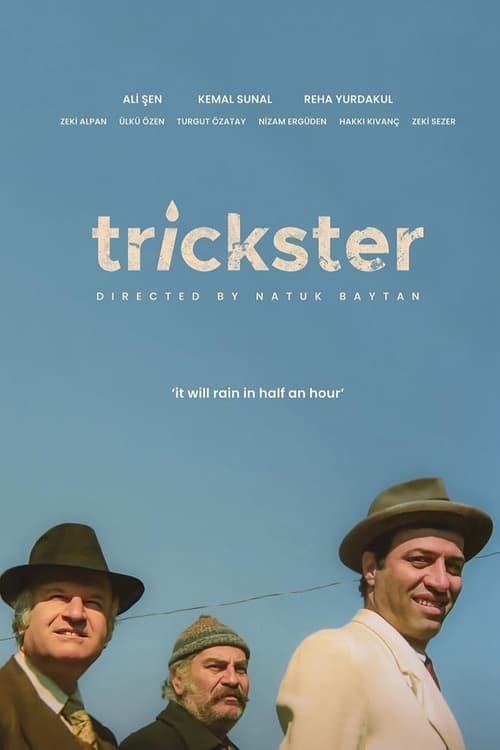
Trickster
1981
No user ratings available yet
Diversity score: 3.8 out of 10
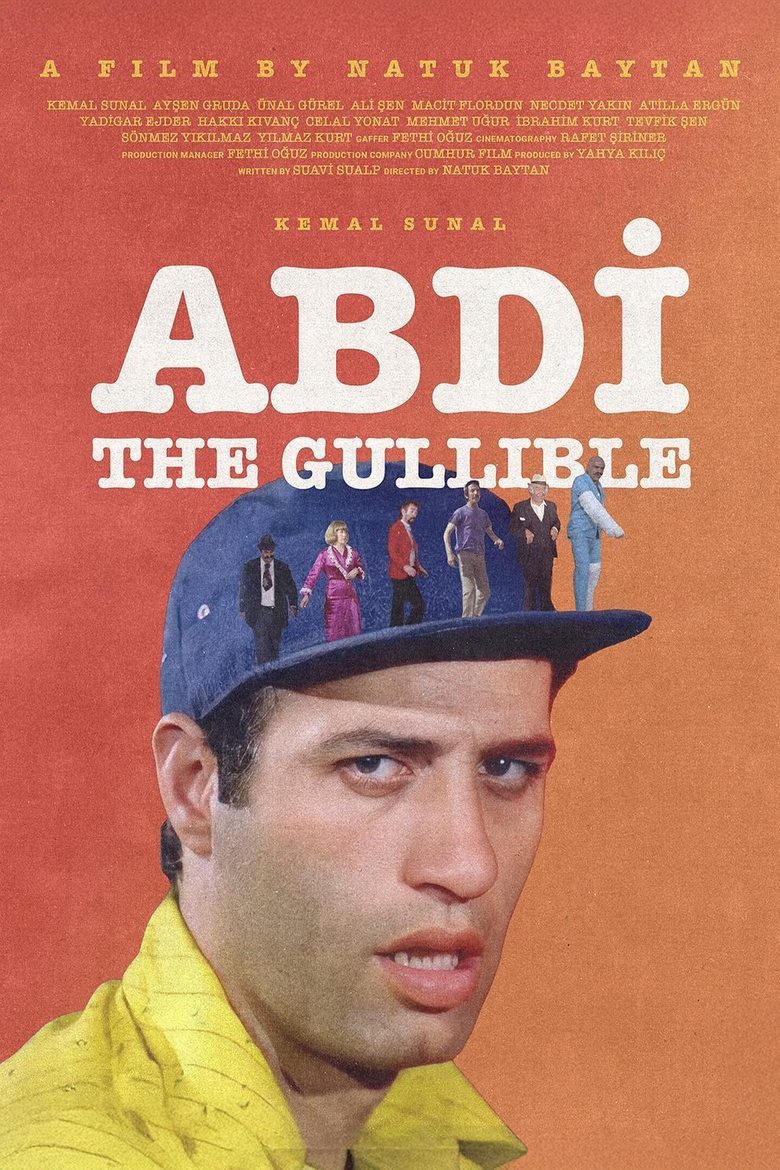
1978
Director
Natuk Baytan
Runtime
86 minutes
Average Rating
No ratings yetSynopsis
Apti is a simple minded village man and he believes what is happening around him by chance is actually his doing. He becomes famous by beating a feared man and everyone starts to respect him than he meets a singer and an action-love story starts.
Overall Score
Limited
Category Breakdown
LGBTQ+ Representation
The film lacks LGBTQ+ characters or non-heteronormative identities. The romantic plot follows a traditional courtship between the protagonist and a singer.
Gender Representation
Gender dynamics follow a traditional 1970s framework. While the female lead has visibility as a singer, the narrative focuses on the male protagonist's comedic agency.
Racial & Ethnic Diversity
The cast is highly localized, featuring a North Caucasian ensemble that reflects its regional setting. It maintains cultural authenticity without presenting a multi-ethnic cast.
Religious & Cultural Diversity
The story uses satire to explore the friction between local customs and bureaucracy. It offers social commentary through the lens of village life and situational ethics.
Disability Representation
The protagonist's simple-mindedness serves as a comedic engine for slapstick. The film lacks nuanced agency regarding neurodivergence, using the trait primarily as a plot device.
Strengths
Areas for Improvement
AI Analysis
Avanak Apti is a culturally specific comedy that prioritizes regional authenticity and traditional social structures over progressive representation. It functions as a piece of localized storytelling rooted in its 1978 Soviet-era context. The film relies heavily on established tropes, particularly regarding gender and cognitive diversity. While it captures the essence of its North Caucasian setting, it does not attempt to subvert hierarchies or include intersectional perspectives. Ultimately, the work is designed to reinforce social cohesion through humor rather than to challenge systemic norms or provide deep explorations of marginalized identities.
1981

1980

1984

1984
1983

1976
2001
2019
1979
1972
2014

2019
No reviews yet. Be the first to share your thoughts on this movie!
Use the rating form above to leave a star rating and optional review.